


The North Atlantic Treaty Organization (NATO) will equip its combat forces deployed on the eastern flank with protection against chemical, biological and even nuclear threats, announced Thursday the alliance's secretary general, Jens Stoltenberg, during the leaders' summit in Brussels.
The alliance members are “concerned” about the possible use of these weapons in Ukraine by Russia, and so they also agreed at a summit to “supply equipment to help Ukraine protect itself from such threats,” he said.
“Our chief military commander, General (Tod D.) Wolters has activated NATO's chemical, biological, radiological and nuclear defense elements,” said the Norwegian politician at the press conference following the summit.
“This includes screening equipment, medical equipment, decontamination training and crisis management,” he explained.
Stoltenberg warned that Moscow is preparing a pretext for using such weapons and warned the Kremlin that if it takes that step, it will “totally change the nature of conflict” and will have “great consequences”.
In the Atlantic Alliance, there is fear that such an attack will not only affect the Ukrainian population, but that it will spread to other parts of Europe and pollution will reach Allied territory.
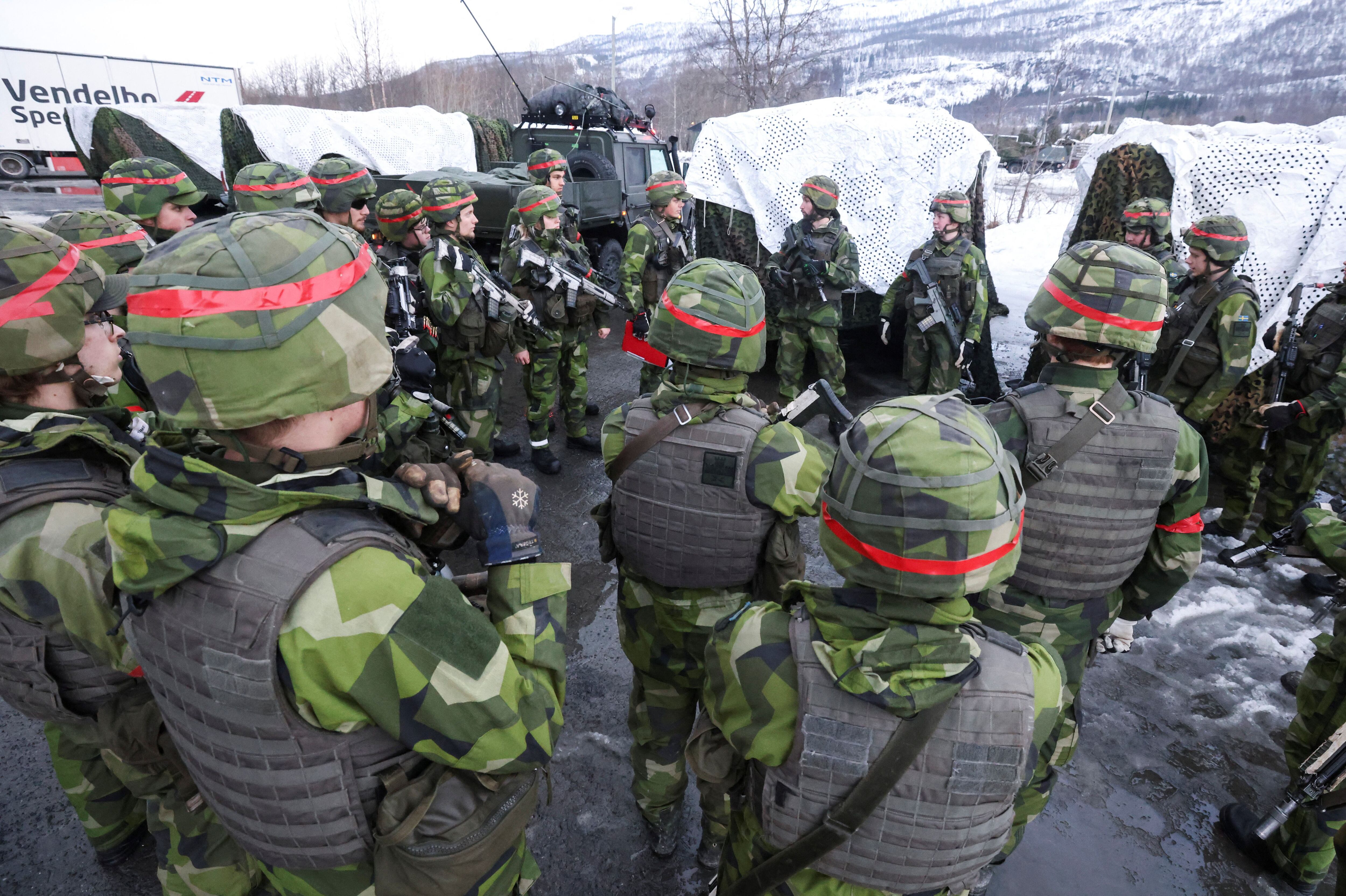
As a result, the allies have already activated NATO's defense elements in the face of these threats, which will entail the deployment of additional specialized defenses in NATO contingents.
On the other hand, the Allies gave the green light to the establishment of four new international battalions in Romania, Hungary, Slovakia and Poland, in addition to those already located since 2017 in the three Baltic States and Poland.
“So now we have eight multinational NATO battalions. From the Baltic Sea to the Black Sea,” Stoltenberg explained.
At the summit, the alliance also agreed to extend for another year, until 30 September 2023, the mandate of Norwegian Stoltenberg as Secretary General, a position he has held since 2014. The allies thanked him “for his leadership and dedication, particularly at this critical time for international security.”
The leaders also called on China to uphold the international order and the principles of sovereignty and territorial integrity, refrain from “supporting Russia's war effort in any way” in Ukraine and from helping Moscow evade sanctions.
In addition, members pledged to accelerate their defence investments in order to reach the target of 2% of GDP with a view to presenting concrete plans at the Madrid Summit to be held in late June.
(With information from AFP, EFE, EP)
KEEP READING:
Últimas Noticias
Debanhi Escobar: they secured the motel where she was found lifeless in a cistern
Members of the Specialized Prosecutor's Office in Nuevo León secured the Nueva Castilla Motel as part of the investigations into the case

The oldest person in the world died at the age of 119
Kane Tanaka lived in Japan. She was born six months earlier than George Orwell, the same year that the Wright brothers first flew, and Marie Curie became the first woman to win a Nobel Prize

Macabre find in CDMX: they left a body bagged and tied in a taxi
The body was left in the back seats of the car. It was covered with black bags and tied with industrial tape

The eagles of America will face Manchester City in a duel of legends. Here are the details
The top Mexican football champion will play a match with Pep Guardiola's squad in the Lone Star Cup

Why is it good to bring dogs out to know the world when they are puppies
A so-called protection against the spread of diseases threatens the integral development of dogs


