


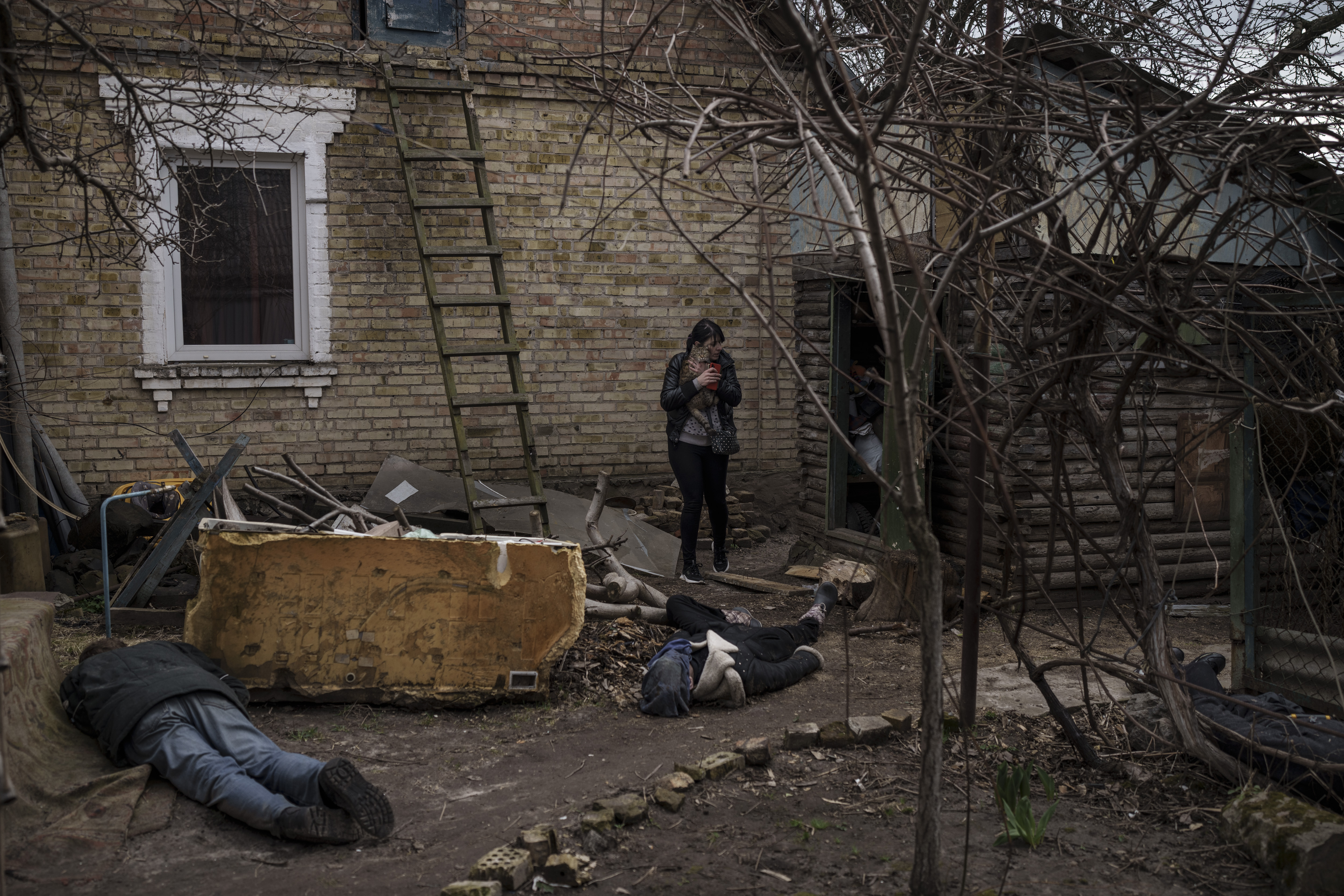
NATO Secretary General Jens Stoltenberg holds Russia “responsible” for the killing of hundreds of civilians in the Ukrainian town of Bucha and fears that “more massacres”, “more examples of war crimes”, will still be discovered in areas still under the control of Russian troops.
Stoltenberg appeared before the media to advance the issues to be discussed at the meeting of NATO Foreign Ministers scheduled for Wednesday and Thursday, which comes preceded by the “horrible images” captured in Bucha and other places “controlled by the Russians until a few days ago.”
The head of NATO has detracted the validity of Russian complaints about an alleged invention of these killings, noting, for example, that “satellites tell the same story” as the Ukrainian authorities and Western governments, and anticipating that there may be other atrocities.
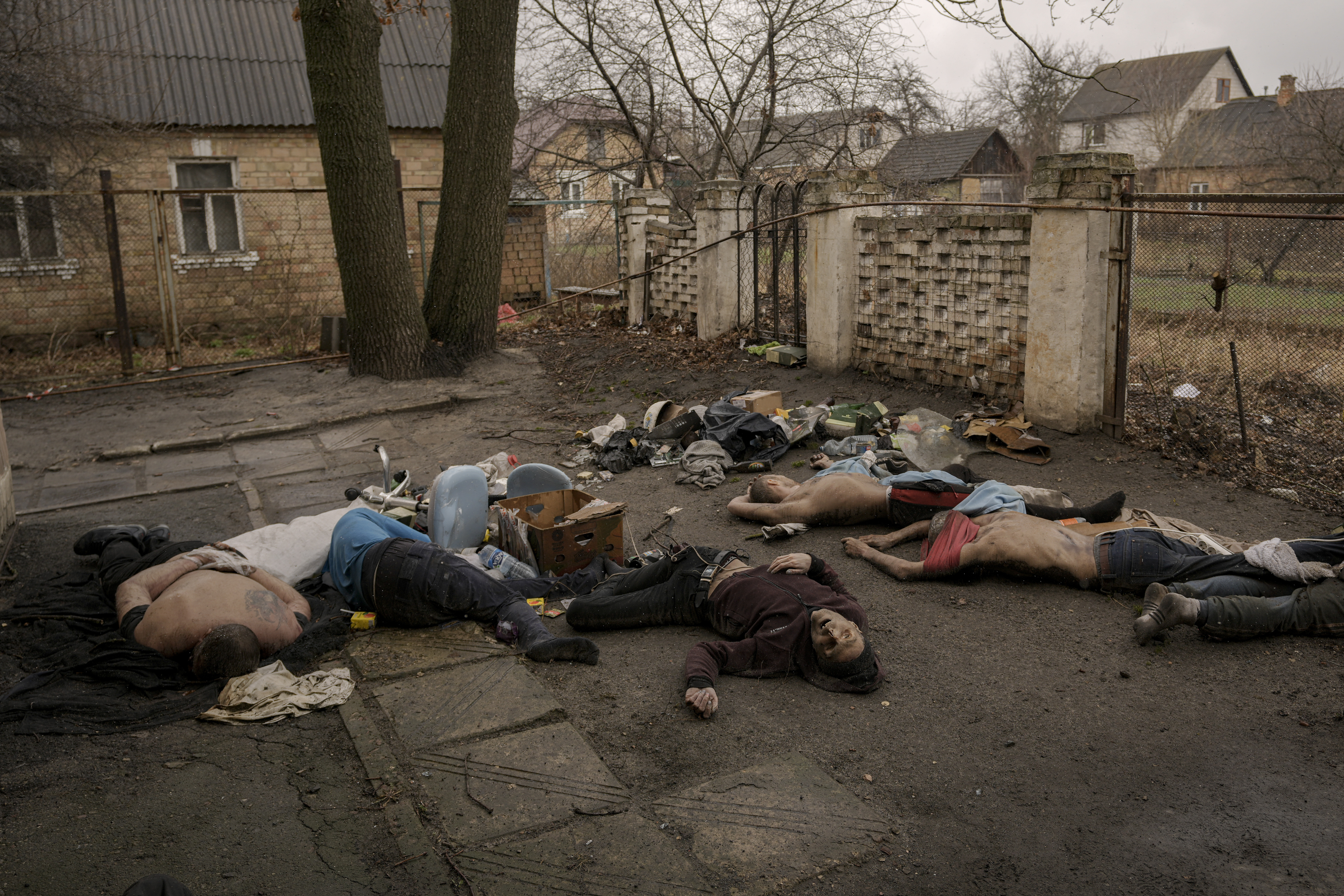
“Attacking and killing civilians is a war crime,” emphasized Stoltenberg, who has called for investigations and work to hold “those responsible for these atrocities” accountable to justice. In this regard, he stressed that the allied countries were collaborating in the investigations already under way, including that of the Office of the Prosecutor of the International Criminal Court (ICC).
At the military level, Stoltenberg has praised the “resistance” of the Ukrainian Armed Forces, which is “forcing” Moscow to change its plans. However, he warned that Russian President Vladimir Putin “does not give up his ambitions” and the withdrawal of troops around Kiev cannot be understood as a definitive withdrawal.
Stoltenberg says that Russia wants to regroup and equip its troops with more weapons and supplies to focus on the eastern and southern fronts, for example to consolidate a land corridor between the Crimean peninsula and the areas of the Donbas controlled since 2014 by separatist rebels.
In fact, in this “crucial phase” of the war, Russia would now aspire to “occupy the entire Donbas”. “We have a big offensive,” said the Norwegian politician during his media appearance in Brussels.
COMMITMENT TO KYIV
NATO member states are committed to giving “more support” to Kiev, both militarily and humanitarian/cybersecurity, but Stoltenberg has stressed that the agreement still involves not sending planes or troops on the ground.
He believes that taking this step would mean starting a “total war” between Russia and NATO, which would entail “more death, more destruction”. Thus, he believes that the Atlantic Alliance is “on the right side of history” by imposing “unprecedented pressure” on Putin and helping Ukraine as it works to prevent further escalation.
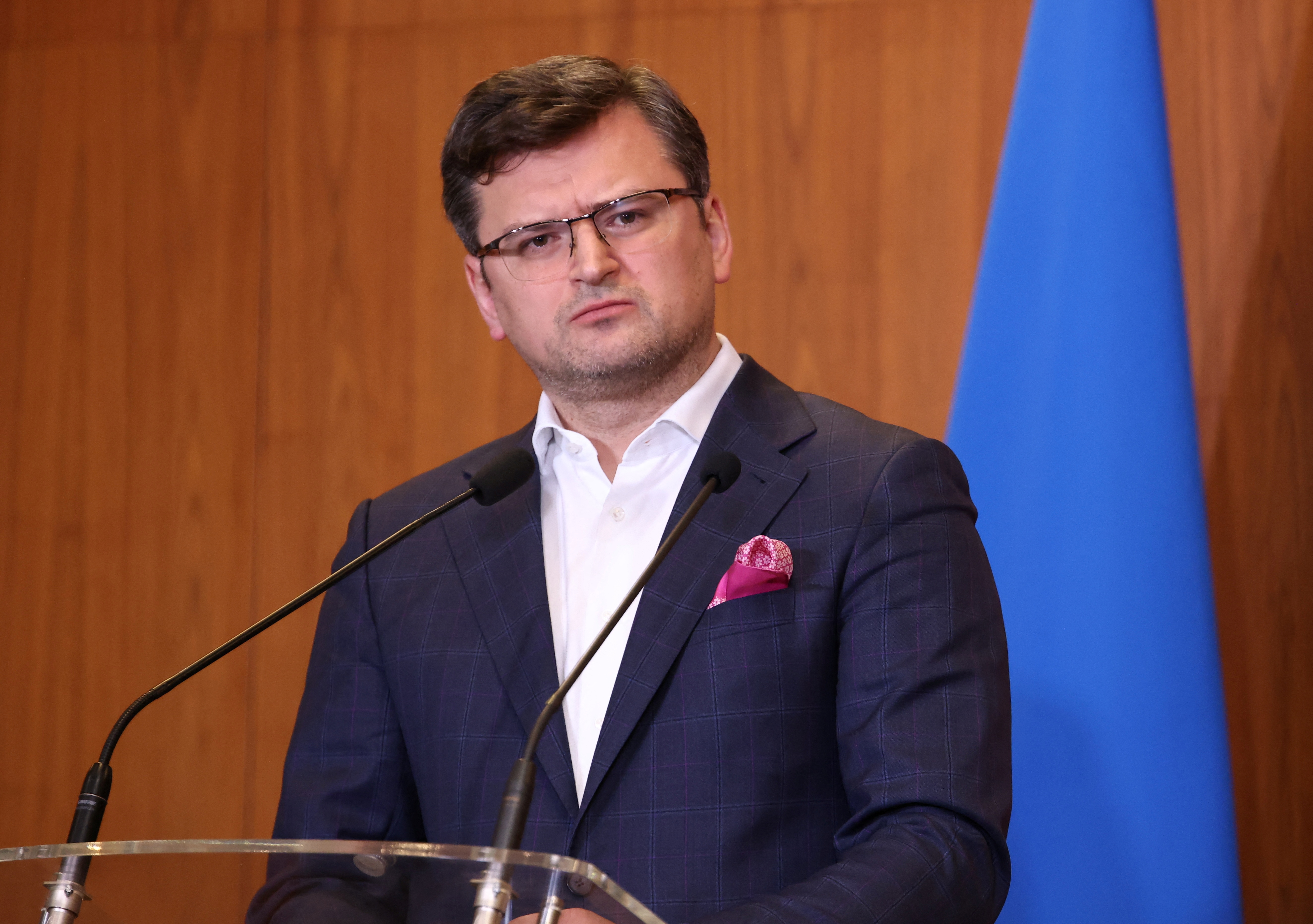
Ukrainian Foreign Minister Dimitro Kuleba will attend the Brussels meeting, which will also be attended by representatives of the European Union, Georgia, Finland and Sweden. Japan, Australia, New Zealand and South Korea will participate telematically, “because this crisis has global implications”, in the words of Stoltenberg.
The meeting will serve to announce new aid to Georgia and Bosnia, under the premise that “it is better to give support sooner than later”. Stoltenberg pointed out that this is a “lesson” that can be drawn from the current situation in Ukraine.
(with information from EP)
KEEP READING:
Últimas Noticias
Debanhi Escobar: they secured the motel where she was found lifeless in a cistern
Members of the Specialized Prosecutor's Office in Nuevo León secured the Nueva Castilla Motel as part of the investigations into the case

The oldest person in the world died at the age of 119
Kane Tanaka lived in Japan. She was born six months earlier than George Orwell, the same year that the Wright brothers first flew, and Marie Curie became the first woman to win a Nobel Prize

Macabre find in CDMX: they left a body bagged and tied in a taxi
The body was left in the back seats of the car. It was covered with black bags and tied with industrial tape

The eagles of America will face Manchester City in a duel of legends. Here are the details
The top Mexican football champion will play a match with Pep Guardiola's squad in the Lone Star Cup

Why is it good to bring dogs out to know the world when they are puppies
A so-called protection against the spread of diseases threatens the integral development of dogs


