


Terrified and suspected of living his last hours. This is what Russian oligarch Roman Abramovich was like when he began to suffer symptoms compatible with possible poisoning in early March, after participating in the first negotiation meetings between delegates from Russia and Ukraine, according to sources close to the businessman.
The ex? club owner Chelsea, 55, lost his sight for several hours and had problems with the skin of his hands and face, a picture that aroused suspicion of a possible attack of intelligence.
According to the research portal Bellingcat, one of the first to report the case this week, the participants of those first meetings only drank water and ate chocolate. Negotiations lasted until 10 pm in Kiev, and during the night two people began to experience symptoms, including vision problems and peeling of the skin.
As they were on their way to Lviv, to address the next round of dialogue, the delegation asked Bellingcat's executive director Christo Grozev, a researcher who knows the issue closely for having worked on the poisoning of Russian opposition leader Alexei Navalny. Fears were already installed among the delegates.
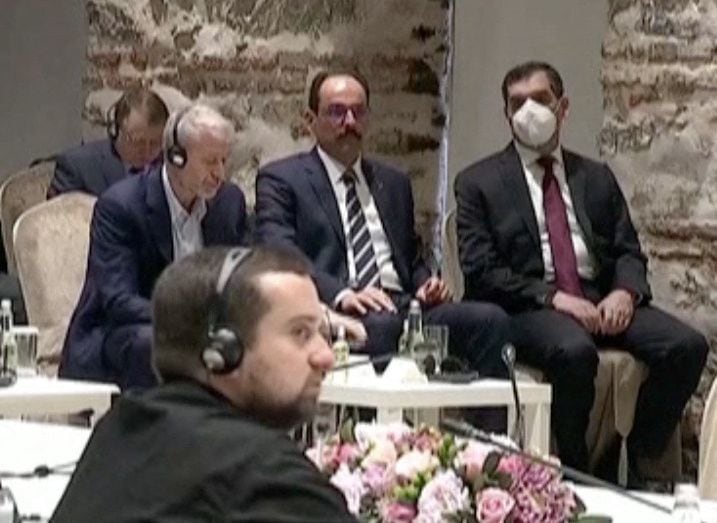
According to a source present to the New York Times, the symptoms were severe enough for Abramovich to think that his life was in danger. “Are we dying?” , he asked the scientist examining him.
Bellingcat explained that, according to the analysis conducted, “the dose and type of toxin used were probably not sufficient to cause life-threatening harm, and most likely intended to frighten victims rather than cause them permanent harm.”
For their part, those affected indicated that they did not know who might be interested in attacking them.
Also, some Western officials tried to defuse rumors of possible poisoning, suggesting that “environmental factors” were responsible, the Times said. “The evidence is rather scarce and in a difficult place,” said one official.
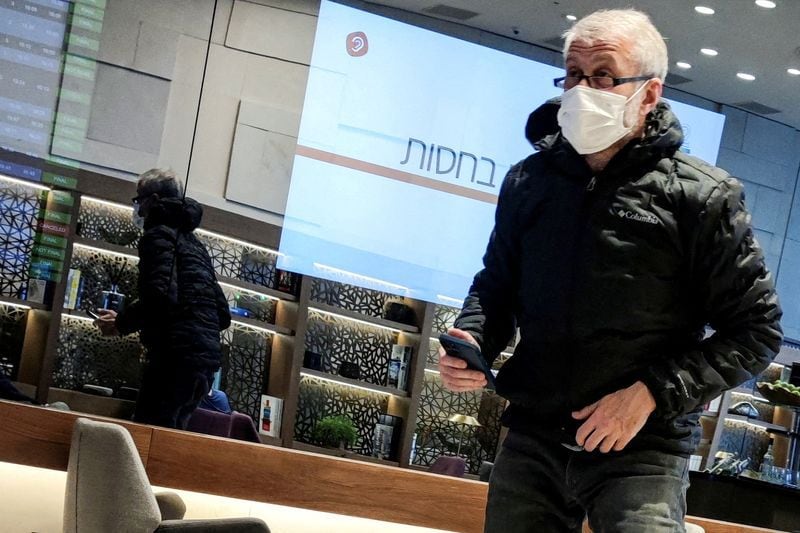
Abramovich looked recovered in the following weeks and this Tuesday he returned to participate in the meetings, being present at the meeting in Istanbul.
“Abramovich is playing a role in establishing contacts between the Russian and Ukrainian sides,” Russian presidential spokesman Dmitri Peskov, who also rejected versions of the poison attack, told the press. “This is part of the information war” against Russia, he said, assuring that “of course this information does not correspond to reality.”
KEEP READING:
Últimas Noticias
Debanhi Escobar: they secured the motel where she was found lifeless in a cistern
Members of the Specialized Prosecutor's Office in Nuevo León secured the Nueva Castilla Motel as part of the investigations into the case

The oldest person in the world died at the age of 119
Kane Tanaka lived in Japan. She was born six months earlier than George Orwell, the same year that the Wright brothers first flew, and Marie Curie became the first woman to win a Nobel Prize

Macabre find in CDMX: they left a body bagged and tied in a taxi
The body was left in the back seats of the car. It was covered with black bags and tied with industrial tape

The eagles of America will face Manchester City in a duel of legends. Here are the details
The top Mexican football champion will play a match with Pep Guardiola's squad in the Lone Star Cup

Why is it good to bring dogs out to know the world when they are puppies
A so-called protection against the spread of diseases threatens the integral development of dogs


