


The real weight of the COVID-19 pandemic not only results in the number of people affected or killed by this respiratory disease, but also shows the impact it had on other conditions whose attention was relegated and, often, neglected.
This is the case of tuberculosis: one of the diseases that caused the most deaths globally and in which there has been a decline in its diagnosis and treatment due to the pandemic. To raise awareness about this condition, March 24 marks World Tuberculosis Day.
“What we have seen with tuberculosis, as in most chronic and prevalent pathologies, is that its care has been relegated by the COVID-19 epidemic, because virtually all medical services have gone from our usual routines to focus exclusively on the pandemic,” warned the doctor pulmonologist Matias Scafati (MN 97,513), head of the Pneumonology Hospitalization Unit of the Tornú Hospital. In addition, he added: “What we are beginning to see today is precisely the consequences: these diseases have continued their natural evolution.”
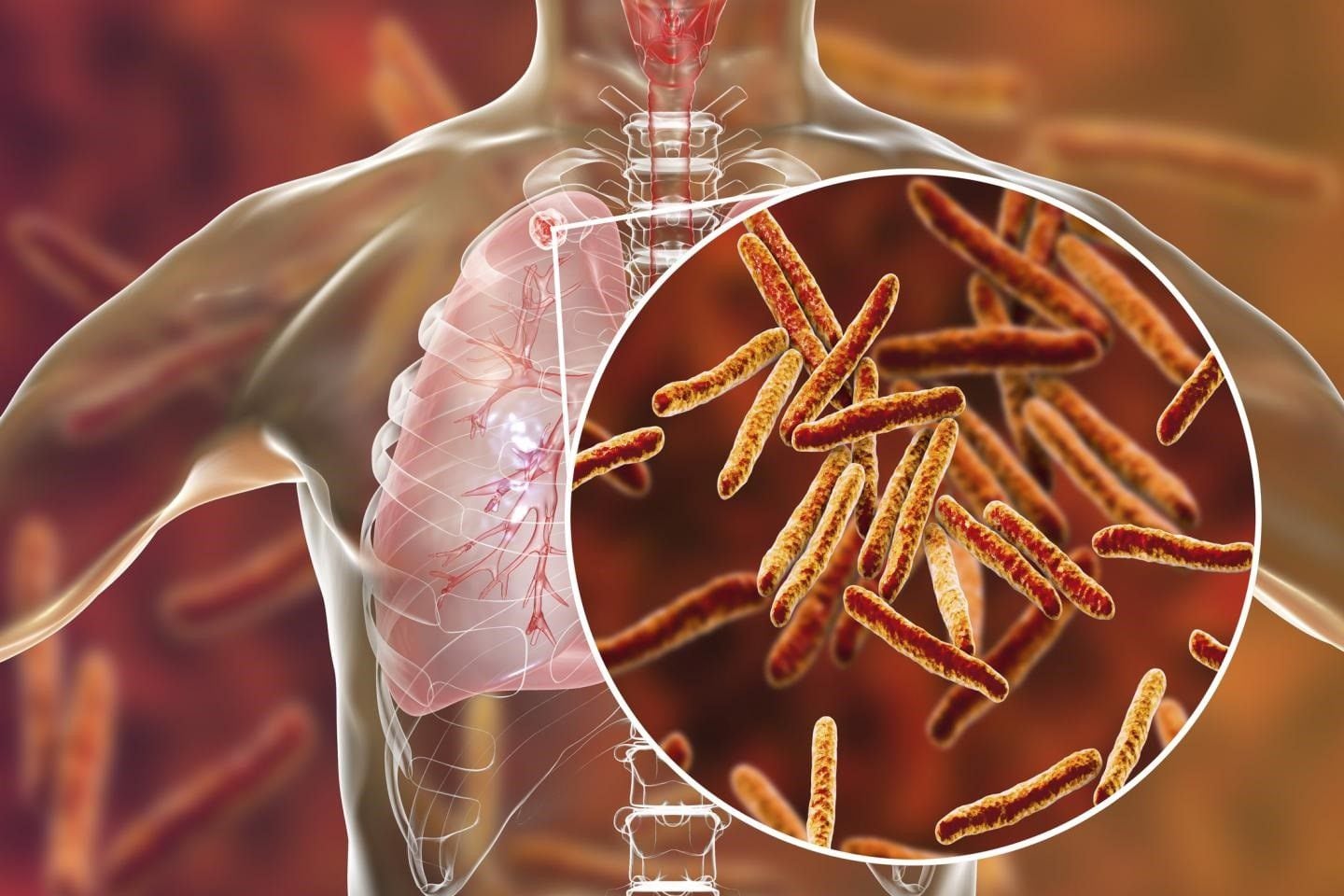
Tuberculosis is an infectious disease that affects the lungs and is caused by bacteria (Mycobacterium tuberculosis) that is transmitted from one person to another through aerosol droplets that remain in the air after being expelled by people with active lung disease. Although in healthy people it is usually asymptomatic, the symptoms of active pulmonary tuberculosis are: cough (sometimes with sputum that may be bloody), chest pain, weakness, weight loss, fever, and night sweats.
“Not everyone who is exposed to tuberculosis gets sick. Once it enters our body, the bacteria can go different ways: one way is that our immune system can completely eliminate it, the other way is that our immune system cannot eliminate it and the bacteria remain there, causing what is called a tuberculous infection latent. The bacteria are normally housed in the lung or in areas near the lung and infection can occur. If at any time the defenses are lowered or if immunity deteriorates, this latent disease can develop,” explained Dr. Scafati.
As early as October 2020, just over 6 months after the pandemic was declared, WHO published its Global Tuberculosis Report 2020, in which it warned that COVID-19 “threatened to reverse recent progress in reducing the global burden of tuberculosis.” “The clearest report of tuberculosis is that made annually by the World Health Organization,” said Dr. Scafati. What is evident in this report is that between 2019 and 2020 there was a significant drop in tuberculosis reporting of nearly 20%: in 2019 around 7,100,000 cases were reported, while in 2020 fewer than 6,000,000 were reported.”
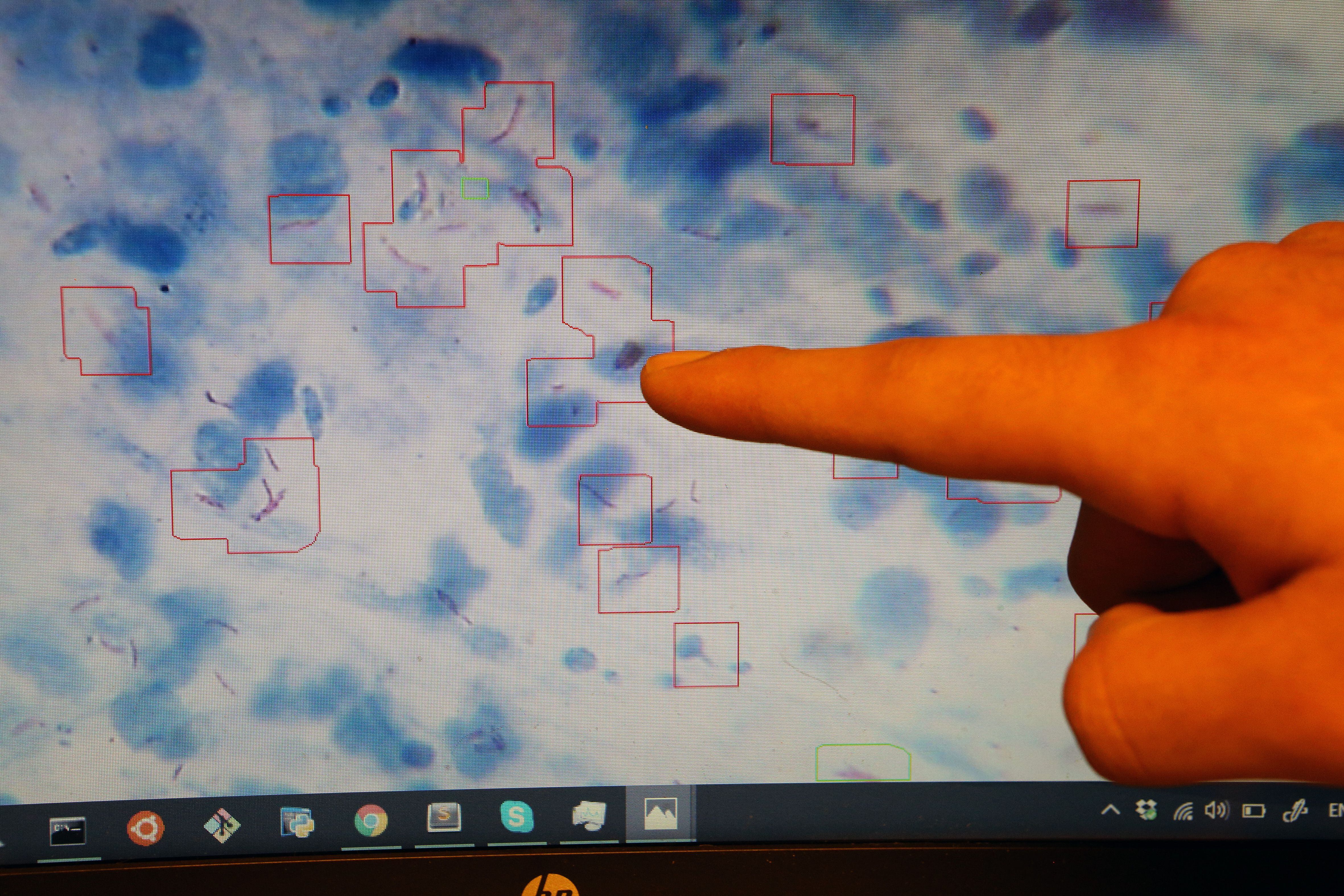
In Argentina, the most recent statistics on tuberculosis are pre-pandemic. In 2019, 12,499 new cases were reported, resulting in a reporting rate of 27.8 per 100,000 inhabitants. It is to be expected that in the following bulletins the numbers of notifications will be lower, but not because of a reduction in infections, but because many patients did not agree to the diagnosis because of the health system situation during the COVID-19 pandemic.
But globally, there are even more worrying data that suggest a drop in access to and adherence to treatment for tuberculosis: “In contrast to the lower reporting of cases, there is an increase in the incidence of mortality, which has been declining,” said the specialist. According to the most recent WHO statistics, 1.5 million people die every year from tuberculosis, making it the most deadly infectious disease in the world.
World Tuberculosis Day was established in commemoration of the day on which Robert Koch announced that he had discovered the bacterium that causes tuberculosis in 1882, which opened the way to the diagnosis and cure of this disease.
Prevention, diagnosis and treatment
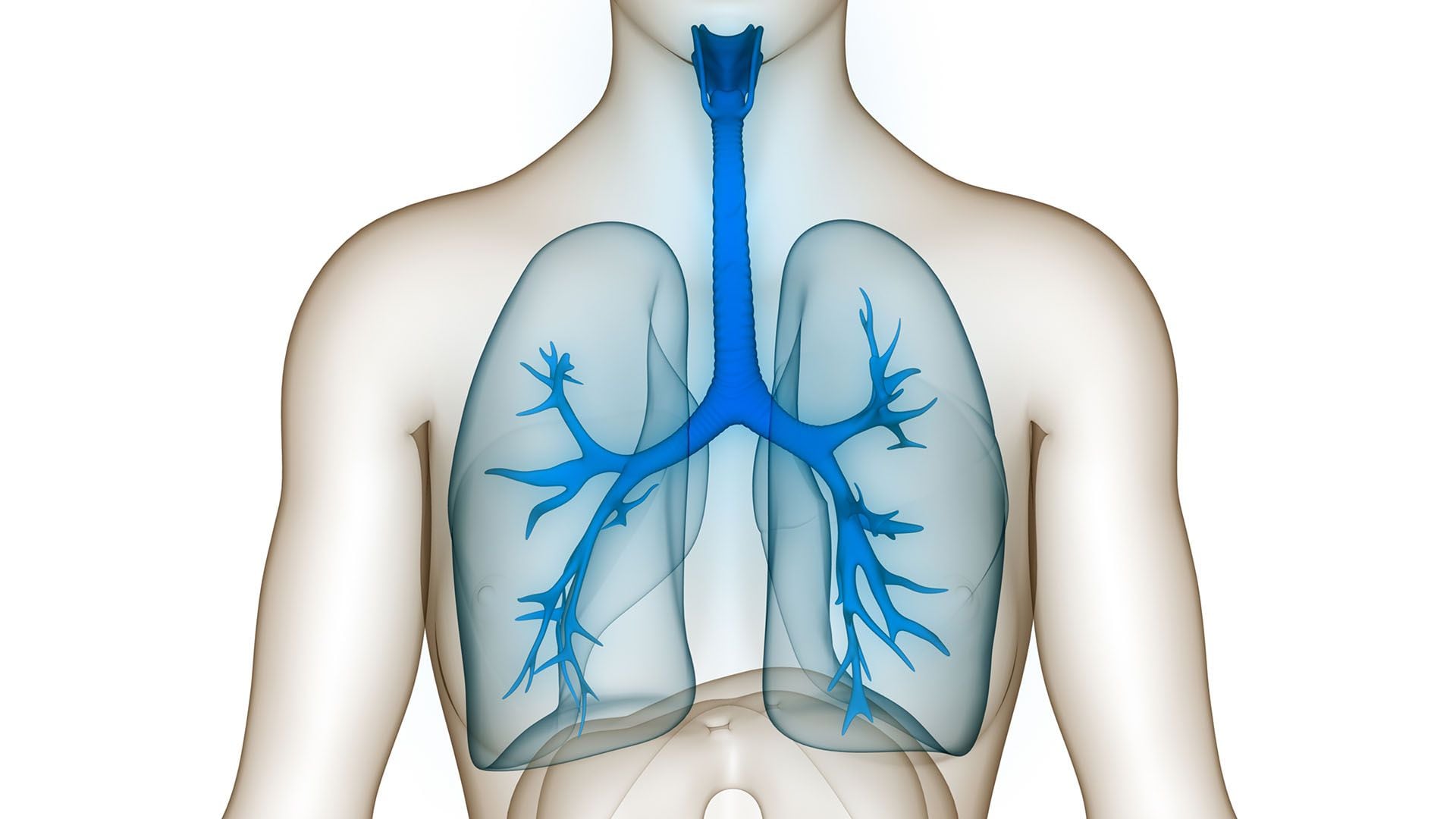
The main tool for the prevention of tuberculosis is vaccination. “In Argentina, children under one year old are vaccinated with BCG, because we know that this vaccine prevents severe forms of tuberculosis,” explained Dr. Scafati. These severe forms of tuberculosis usually occur in children who do not yet have developed immunity and are therefore more vulnerable to tuberculosis. Childhood and adolescent tuberculosis is a problem worldwide but also in our country.”
In Argentina, 17% of diagnoses correspond to children and adolescents, according to the latest epidemiological bulletin on tuberculosis.
As for his diagnosis, the COVID-19 pandemic made him more complex. In a patient with respiratory symptoms, the specialist commented, “today the COVID test is still 'the first dominoes token' that one has to throw away; only after that the doctor must continue to investigate and think about tuberculosis based on the patient's symptoms, the data collected in the doctor's interrogation and the presence of predisposing factors”.
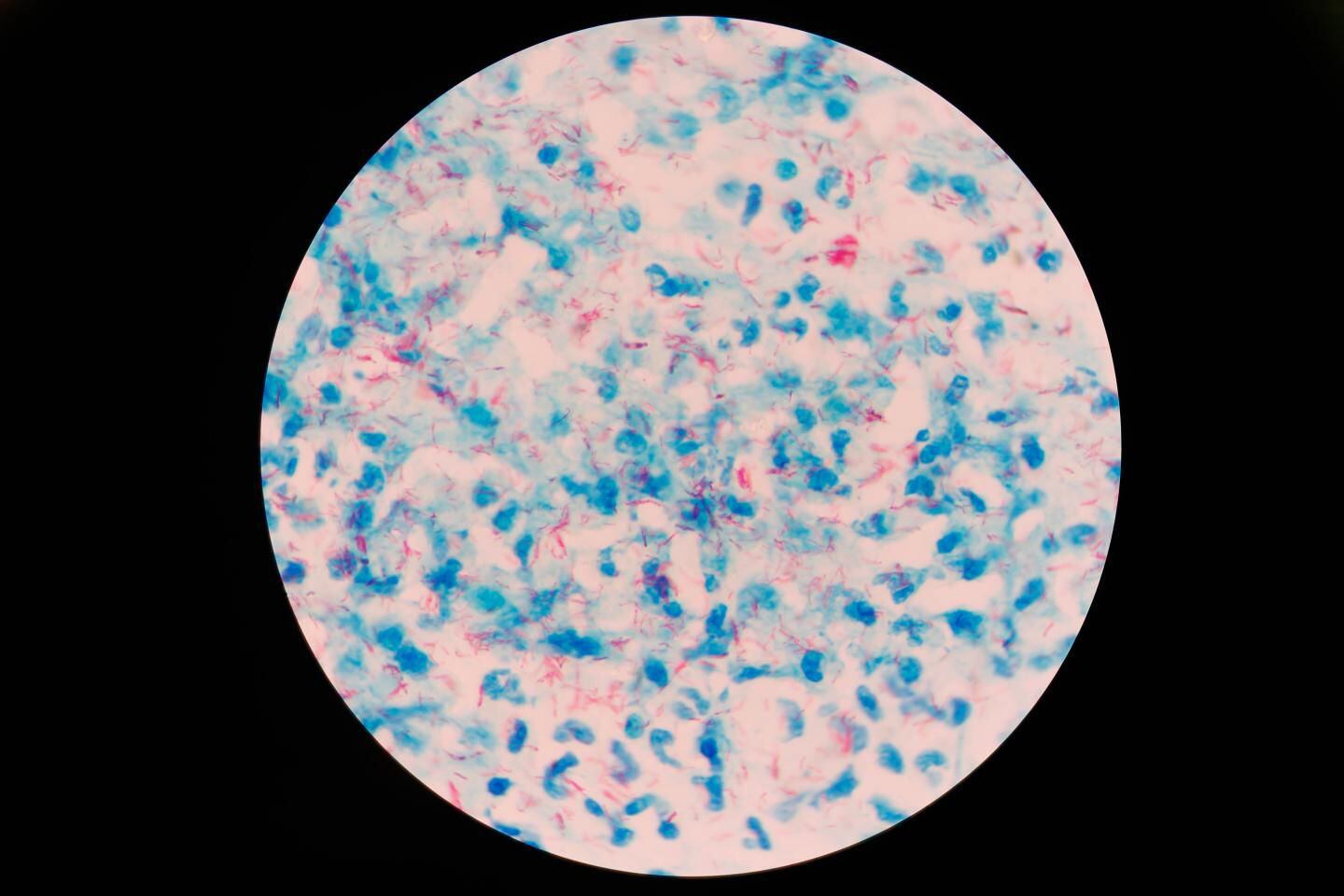
In this context, the existence of specific studies and tests is very useful. “The tuberculin skin test uses a protein obtained from Mycobacterium tuberculosis that is injected subcutaneously to look for a reaction in the skin; if that reaction occurs, you were exposed to tuberculosis. An exposed person means they are infected or sick. The second tool is chest x-ray. If the person has symptoms, it is also essential to do the sputum culture. There are also molecular tests that allow us to increase sensitivity for diagnosis if the culture is negative. These tests also allow us to see if there are mutated genes that speak of possible resistance to antimicrobials used in treatment. They are tests that save time and allow adequate empirical treatment to be implemented,” explained Dr. Scafati.
The treatment of tuberculosis is done through antibiotics that must be administered for 6 months, so it is essential to maintain and promote patient adherence. “Before the pandemic, we already had dropout rates that were between 10% and 20%,” said the specialist. What happened with COVID-19 is that patients were wanted to be referred to their jurisdictions. In Tornú, as a reference hospital, we had patients from different locations who stopped coming and who are now trying to get them back to treatment. On the other hand, with the cessation of treatment one begins to worry about the possibility of antibiotic-resistant strains appearing.”
“There is a negative connotation around tuberculosis, people relate it to poverty, to marginality; that is a preconception, it is a mistake. It is important to overthrow this belief in order to be able to diagnose and think that anyone with symptoms can develop tuberculosis and to do the corresponding studies to confirm it or not,” concluded Dr. Scafati.
KEEP READING:
Últimas Noticias
Debanhi Escobar: they secured the motel where she was found lifeless in a cistern
Members of the Specialized Prosecutor's Office in Nuevo León secured the Nueva Castilla Motel as part of the investigations into the case

The oldest person in the world died at the age of 119
Kane Tanaka lived in Japan. She was born six months earlier than George Orwell, the same year that the Wright brothers first flew, and Marie Curie became the first woman to win a Nobel Prize

Macabre find in CDMX: they left a body bagged and tied in a taxi
The body was left in the back seats of the car. It was covered with black bags and tied with industrial tape

The eagles of America will face Manchester City in a duel of legends. Here are the details
The top Mexican football champion will play a match with Pep Guardiola's squad in the Lone Star Cup

Why is it good to bring dogs out to know the world when they are puppies
A so-called protection against the spread of diseases threatens the integral development of dogs


