


“I'm not going to work today. I've been feeling bad for several days. Very tired and I had a fever last night. I took the COVID-19 test and it was negative. I think I have the flu,” said Fabián R. from his bed at his home in Villa Crespo. What Fabian feels is similar to hundreds of Argentines affected by a new wave of influenza or influenza infections in the country that seems to be, arrived earlier this year.
While the Ómicron variant of the coronavirus is circulating in the country, another virus - which usually impacts in autumn and winter - is also affecting more people in the middle of summer. It is the influenza virus - which is also known as the influenza virus -, as warned days ago by an alert by the Ministry of Health of the Nation.
Since 2020, after the start of the coronavirus pandemic, there were fewer cases of seasonal flu than in previous years. “Since the start of the COVID-19 pandemic, in Argentina, influenza virus activity has remained low,” the official alert said. However, from the first week of last December until now, an increase in the number of cases of influenza, mainly Influenza A H3N2, has been detected. Generally, cases of seasonal flu rise between April and October each year in Argentina. Not in January, February or March.

“There was a resounding change of scenery between last summer and the current summer,” Teresa Varela, director of Epidemiological Surveillance and Outbreak Control at the Ministry of Health in the province of Buenos Aires, told Infobae, where they recorded 36 cases of influenza since the beginning of this year. “The flu season, which usually starts after March, has been brought forward,” said the official.
“We identified an uncommon rise in cases of H3N2 flu by this time of year. This is also something that has already happened in countries in the region such as Brazil. We have the commitment of the Ministry of Health of the Nation that by the end of the month the vaccine will arrive and we will be able to start inoculating against the flu, starting with the health personnel and groups most at risk,” said the head of the Buenos Aires Ministry of Health, Nicolás Kreplak.
CABA also recorded an increase in influenza cases in recent weeks and confirmed that because influenza is occurring earlier than usual, flu vaccination will begin next month. “The patent has changed and viral behavior has changed.
This year we have detected in February and March a percentage of people with respiratory conditions and high fever who are more linked to the influenza virus, which is the influenza virus,” said last Thursday, in his regular press conference, the Minister of Health of the City of Buenos Aires, Fernán. Quiros.

“We imagine that throughout this year everything will return to its usual pace to what we were used to, but in fact we have detected a certain number of major cases for the time of year of the year of influenza,” he added.
If we consider the cases of influenza that were detected during this summer according to the ages of those affected, the highest number of cases were detected in children under 5 years old in the first place and in young people between 25 and 34 years old in second place. The flu did not impact the same throughout the country. The jurisdictions in which the highest number of positive samples were recorded are the province of Buenos Aires, Salta, Santa Fe, Tucumán and the City of Buenos Aires.
In most cases, influenza, which is a highly contagious respiratory viral disease, produces mild symptoms with symptoms such as fever, cough, nasal congestion, sore throat, head and muscle pain. But in some people there may be complications with shortness of breath and pneumonia, which require hospitalization. In the second week of February, there were 2 deaths in Argentina from the flu.
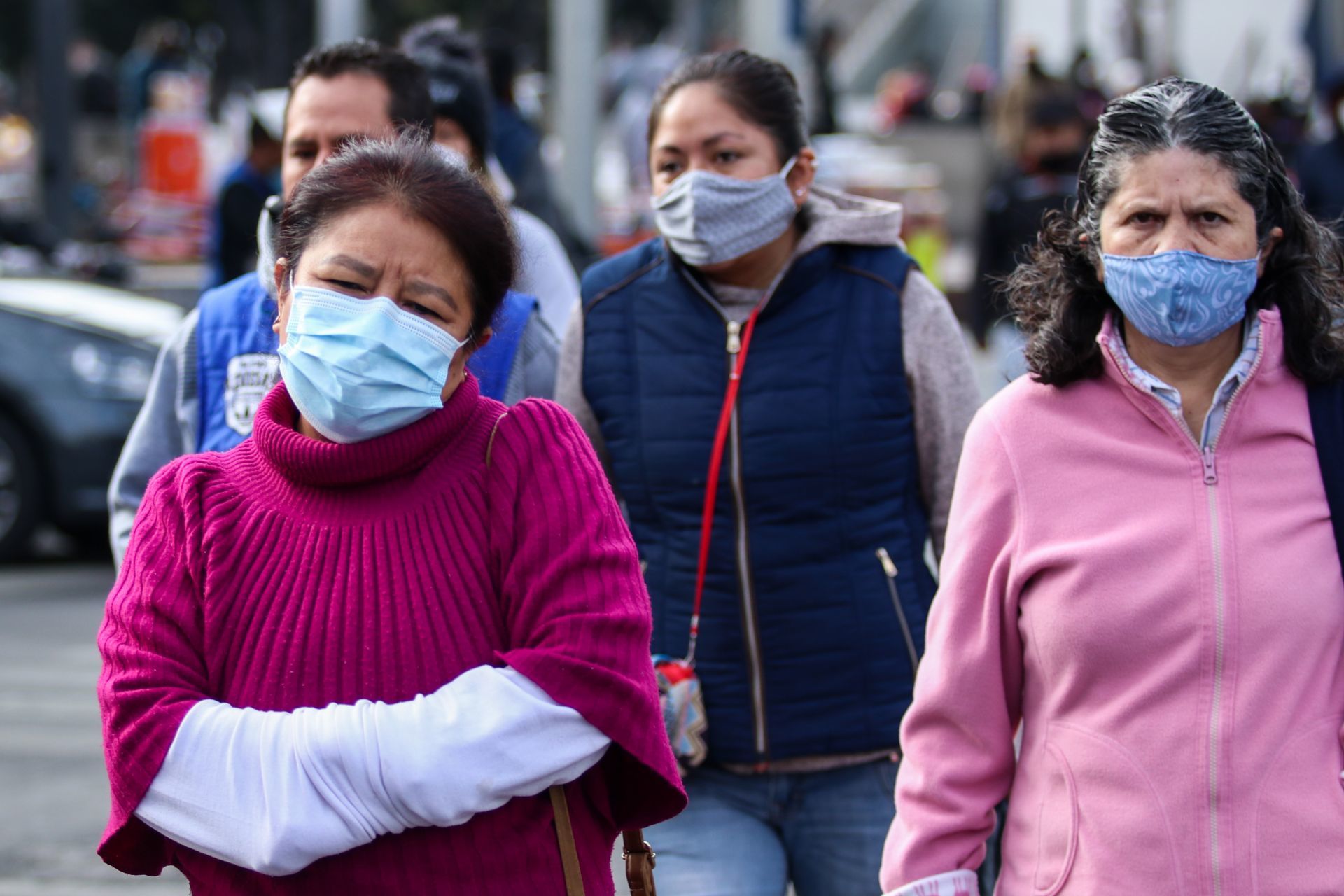
Why did flu cases increase in the middle of summer?
According to Infobae, the infectiologist Pablo Bonvehí, head of Infectology at CEMIC, “the increase in influenza cases is probably explained by multiple factors. In other South American countries, such as Chile, Peru, Colombia and Brazil, cases mainly with the subtype Influenza A H3N2 ″ also rose.
The expert, a member of the Vaccine Commission of the Argentine Society of Infectology and the Scientific Committee of the Vaccinate Foundation, added: “It is not normal that we now have this circulation of the influenza virus. Nor was it normal that the virus did not circulate in 2020 and 2021 when the coronavirus circulation predominated. Now the subtype Influenza A H3N2 began to circulate, which was predominant in the Northern Hemisphere. Surely this change is related to the fact that there are no more restrictions on travel abroad. Having not been in contact with the flu virus for the past two years, people are more susceptible to acquiring the infection. There are also more cases of bronchiolitis and those affected by other respiratory viruses.”
Meanwhile, Leda Guzzi, from the Communication Commission of the Argentine Society of Infectious Diseases, explained to Infobae that “during the first two years of the pandemic, large-scale COVID-19 prevention measures such as wearing a mask, confinements, distancing, ventilation, among others, helped reduce the transmission of influenza virus and other respiratory viruses” worldwide. “But since the end of last year, after the advance of vaccination against COVID-19, there was more intense citizen mobility and there was a return of the circulation of the influenza virus,” concluded the infectiologist of the Olivos Clinic and the Santa Rosa Hospital of the Vicente López party
The health authority's alert is related to more cases of Influenza A H3N2 in the Northern Hemisphere and a globalization through travel that could have led to the extemporaneous emergence of the influenza virus in South America, according to doctor Guzzi. “The important thing is epidemiological and genomic surveillance and that people who are indicated for influenza vaccination receive the appropriate dose such as children under 2 years of age, people over 65 years old, and others who have risk factors,” he said.
Differences from COVID-19
Fever, dry cough, sore throat or chest, trouble breathing Those are some of the symptoms that could account for being suffering from COVID-19. But they are not the only ones nor are these symptoms unique to this disease. The most common symptoms of COVID-19 are fever, cough, and tiredness. But there are many other possible signs and symptoms.
Both COVID-19 and the common cold are caused by viruses. COVID-19 is caused by SARS-CoV-2, while the common cold is most often caused by rhinoviruses. These viruses spread similarly and cause many of the same signs and symptoms. However, there are some differences.
Although symptoms of COVID-19 usually appear two to 14 days after exposure to SARS-CoV-2, symptoms of a common cold usually appear one to three days after exposure to a virus that causes the cold, according to Mayo Clinic experts.
Unlike COVID-19, a cold is often harmless. Most people recover from a common cold in three to ten days, although some colds can last up to two or three weeks.
On the other hand, to differentiate COVID-19 from allergy, on the other hand, it is important to understand that among the most common symptoms of this type of condition, which is not spread from person to person, are itching, runny nose, sneezing, coughing, eye irritation.
The main difference between allergies and viruses is fever. In this sense, a body temperature above 38 ºC could indicate the presence of a virus. Likewise, common allergies are also unlikely to cause sudden loss of sense of smell and taste, a characteristic symptom of COVID-19.
Also, while COVID-19 can cause shortness of breath or difficulty breathing, seasonal allergies don't usually cause these symptoms unless you have a respiratory condition such as asthma.
KEEP READING:
Últimas Noticias
Debanhi Escobar: they secured the motel where she was found lifeless in a cistern
Members of the Specialized Prosecutor's Office in Nuevo León secured the Nueva Castilla Motel as part of the investigations into the case

The oldest person in the world died at the age of 119
Kane Tanaka lived in Japan. She was born six months earlier than George Orwell, the same year that the Wright brothers first flew, and Marie Curie became the first woman to win a Nobel Prize

Macabre find in CDMX: they left a body bagged and tied in a taxi
The body was left in the back seats of the car. It was covered with black bags and tied with industrial tape

The eagles of America will face Manchester City in a duel of legends. Here are the details
The top Mexican football champion will play a match with Pep Guardiola's squad in the Lone Star Cup

Why is it good to bring dogs out to know the world when they are puppies
A so-called protection against the spread of diseases threatens the integral development of dogs


