


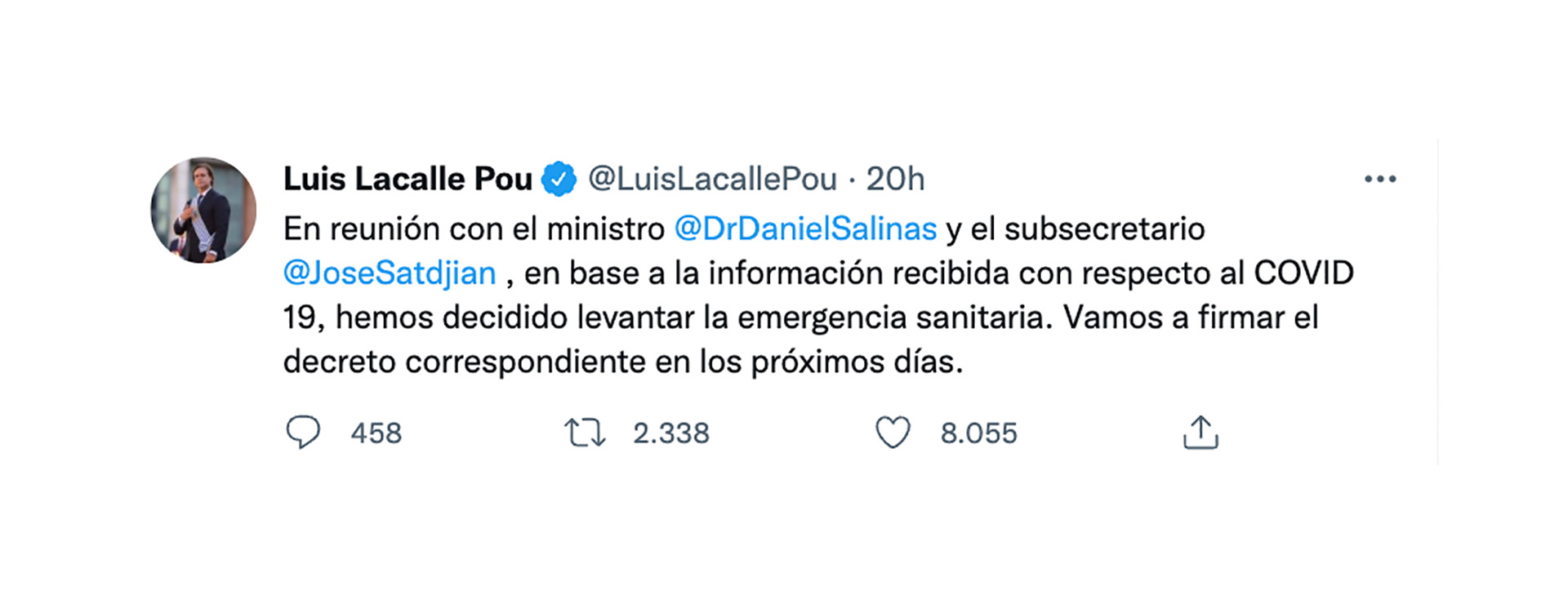
The Uruguayan government announced that it will lift the state of health emergency that has been in force in the country since March 2020, due to the coronavirus pandemic. The decision was communicated, in the first instance, by a twit from President Luis Lacalle Pou, after a closed meeting with the Minister of Public Health, Daniel Salinas, and the undersecretary of that portfolio, José Luis Satdjian.
Lacalle clarified that the decision was made “based on the information received regarding covid-19.” “We will sign the corresponding decree in the coming days,” he added on the social network.
PUBLICIDAD
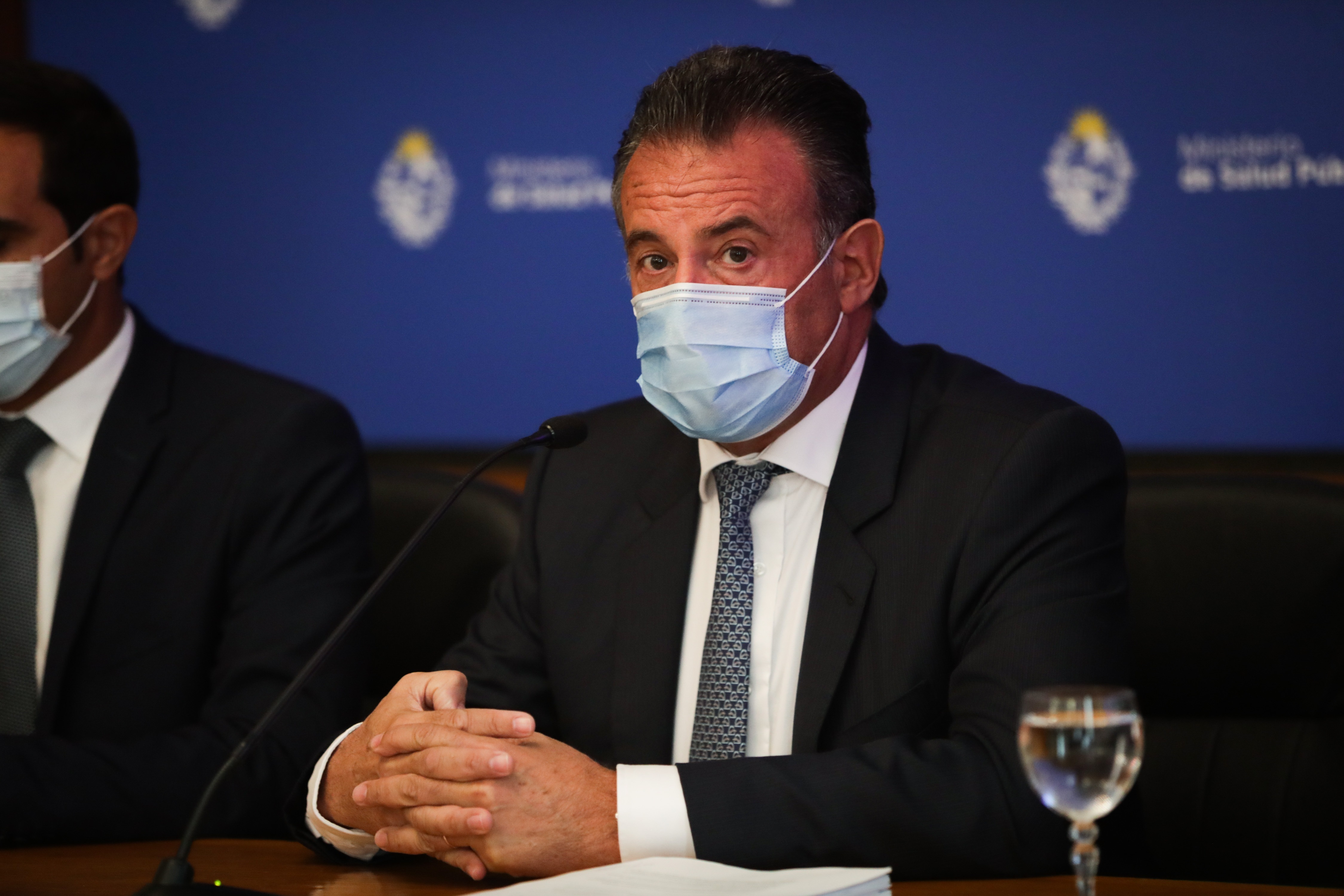
Later, at a press conference, Minister Salinas said “it's a special day” and that “we saw it in some way in evolution: numbers were going down, falling, falling. We're really at a minimum level and I think it's time to do it.”
PUBLICIDAD
For the leader of the portfolio, this “is a very favorable epidemiological moment for the country”, based on “objective criteria: particularly what is the incidence of new weekly cases, the impact on the health level, both in moderate care beds and in STI beds, and what has to do with the severity of the condition, in as to the number of deaths per 100,000 inhabitants”.
In addition to the above, the “high percentage of vaccinated and the additional immunization generated by the omicron wave”, which generated the consideration of a “qualitative, but absolutely necessary change towards normalization”.
PUBLICIDAD
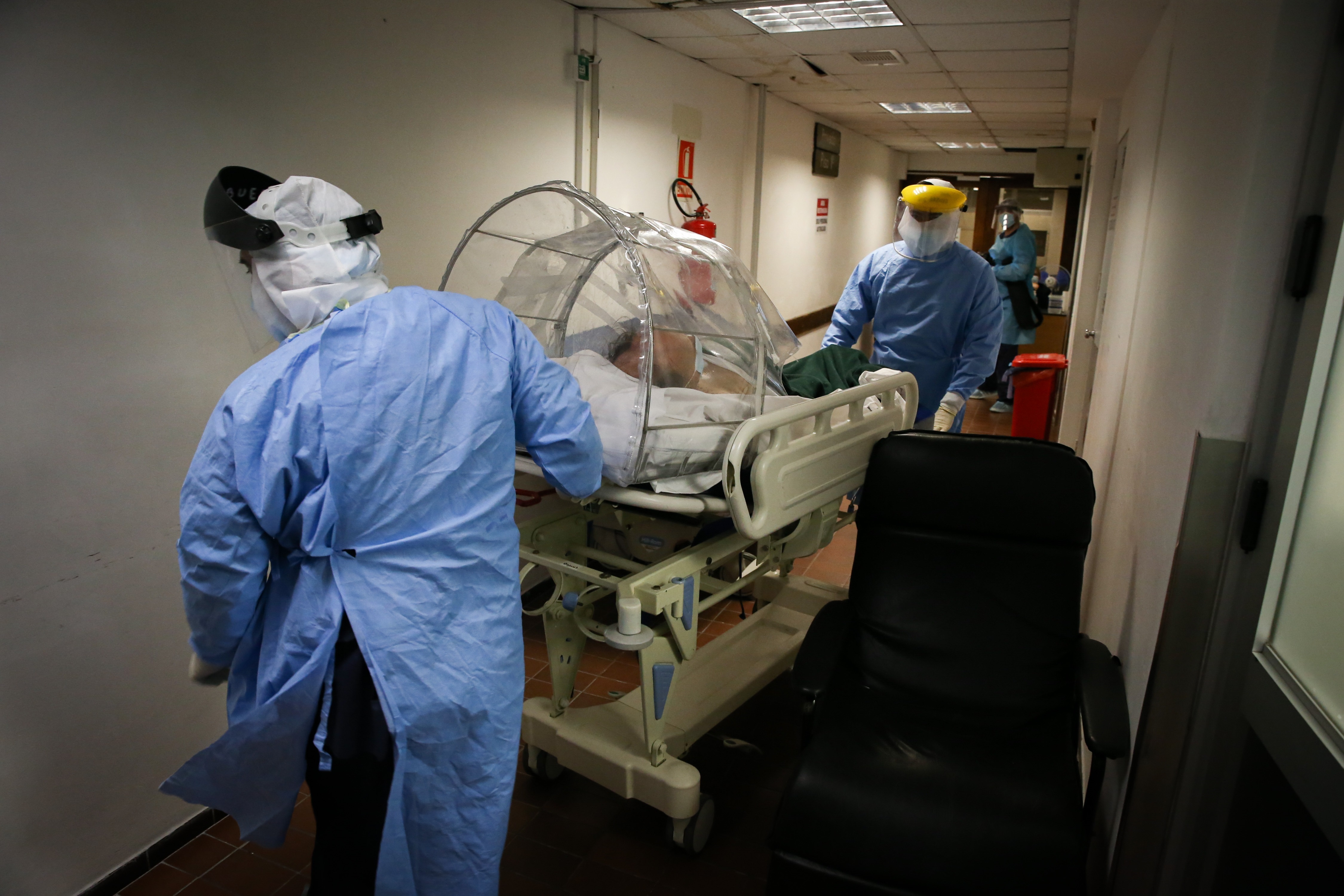
The cessation of the emergency, then, implies changes in terms of the health restrictions that were acquired in the last two years. The clearest example is that the use of a mask will no longer be a requirement, but a suggestion.
On the other hand, the government decided to delete the daily report of cases of covid-19 carried out by the National Emergency System since the beginning of the pandemic. After Tourism Week (within 14 days), the newsletter will become weekly. This decision was made “by virtue of the decrease in incidence” and the fall in the numbers of infected people.
PUBLICIDAD
However, Salinas did not fail to emphasize that responsibility for care is individual. “If I am older than a certain number of years, or certain immunosuppressive or immunosuppressive drug-induced diseases, I have to take better care of myself and to be responsible for myself and others,” he said.
PUBLICIDAD
After the press conference, the Ministry of Public Health released a statement detailing the update of the strategy against the virus. There, it is detailed that in view of the global downward trend in cases of covid-19, a “review and update” in national strategies was considered “necessary and timely”.
With regard to the new general population preventive measures, the Ministry stressed that the actions carried out so far were “clearly beneficial” in curbing the transmission of covid and “other transmissible agents”.
PUBLICIDAD
They also clarified that all Infections Committees and laboratories authorized to carry out tests for SARS-CoV-2 must continue to report cases confirmed by established routes. The national surveillance system for the health portfolio will continue to monitor and investigate positive cases.
PUBLICIDAD
Finally, the capacity will be increased to 100% for all public or private activities, regardless of whether it is in open or closed spaces and vaccination status will not be controlled. “It is recommended that people with risk factors avoid attending events indoors.”
KEEP READING:
PUBLICIDAD
PUBLICIDAD
PUBLICIDAD
Últimas Noticias
Debanhi Escobar: they secured the motel where she was found lifeless in a cistern
Members of the Specialized Prosecutor's Office in Nuevo León secured the Nueva Castilla Motel as part of the investigations into the case

The oldest person in the world died at the age of 119
Kane Tanaka lived in Japan. She was born six months earlier than George Orwell, the same year that the Wright brothers first flew, and Marie Curie became the first woman to win a Nobel Prize

Macabre find in CDMX: they left a body bagged and tied in a taxi
The body was left in the back seats of the car. It was covered with black bags and tied with industrial tape

The eagles of America will face Manchester City in a duel of legends. Here are the details
The top Mexican football champion will play a match with Pep Guardiola's squad in the Lone Star Cup

Why is it good to bring dogs out to know the world when they are puppies
A so-called protection against the spread of diseases threatens the integral development of dogs


