


The killings of civilians perpetrated in Bucha by Putin's forces cast even more doubt on the nature of Russia's military modernization, reveal “a failure of leadership at all levels” and will be counterproductive to Vladimir Putin's plans, the magazine The Economist said Monday in an extensive chronicle about the massacre.
“For weeks of fighting, Russian troops in the territory around Kiev have been beaten by Ukrainian forces. When they withdrew from farms and emerging suburbs such as Bucha and Irpin, they left behind the wreckage of tanks and armored vehicles, as well as the loot they could not take with them. But the Russians also left evidence of summary executions and random killings, war crimes on a terrible scale,” wrote the influential British publication.
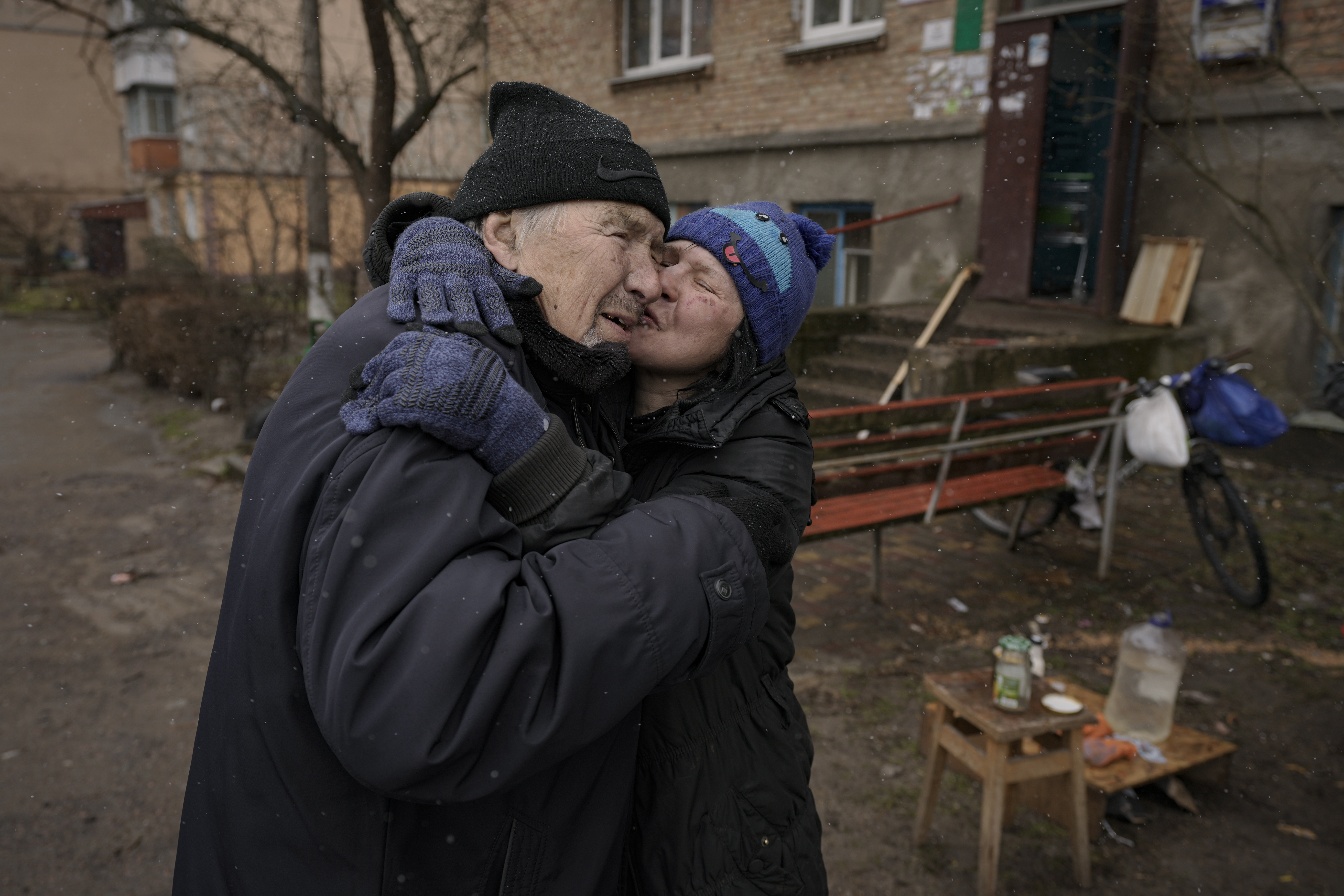
According to The Economist, the massacre, which according to the Ukrainian Attorney General left at least 410 civilians dead, shows the backwardness of the Kremlin troops, contradicting the Russian narrative about an alleged modernization of the army.
“In the 1990s, the country's armed forces were a post-Soviet disaster, lacking resources, beset by corruption and infected by intimidation. The recruits were still stripped of dignity and abused. That was supposed to have changed after years of reform after the Russo-Georgian war of 2008. The size of the army shrank and contained more professional soldiers,” wrote the influential British publication. “None of that supposed progress was seen on April 3 in Bucha, on the northwestern outskirts of Kiev.”
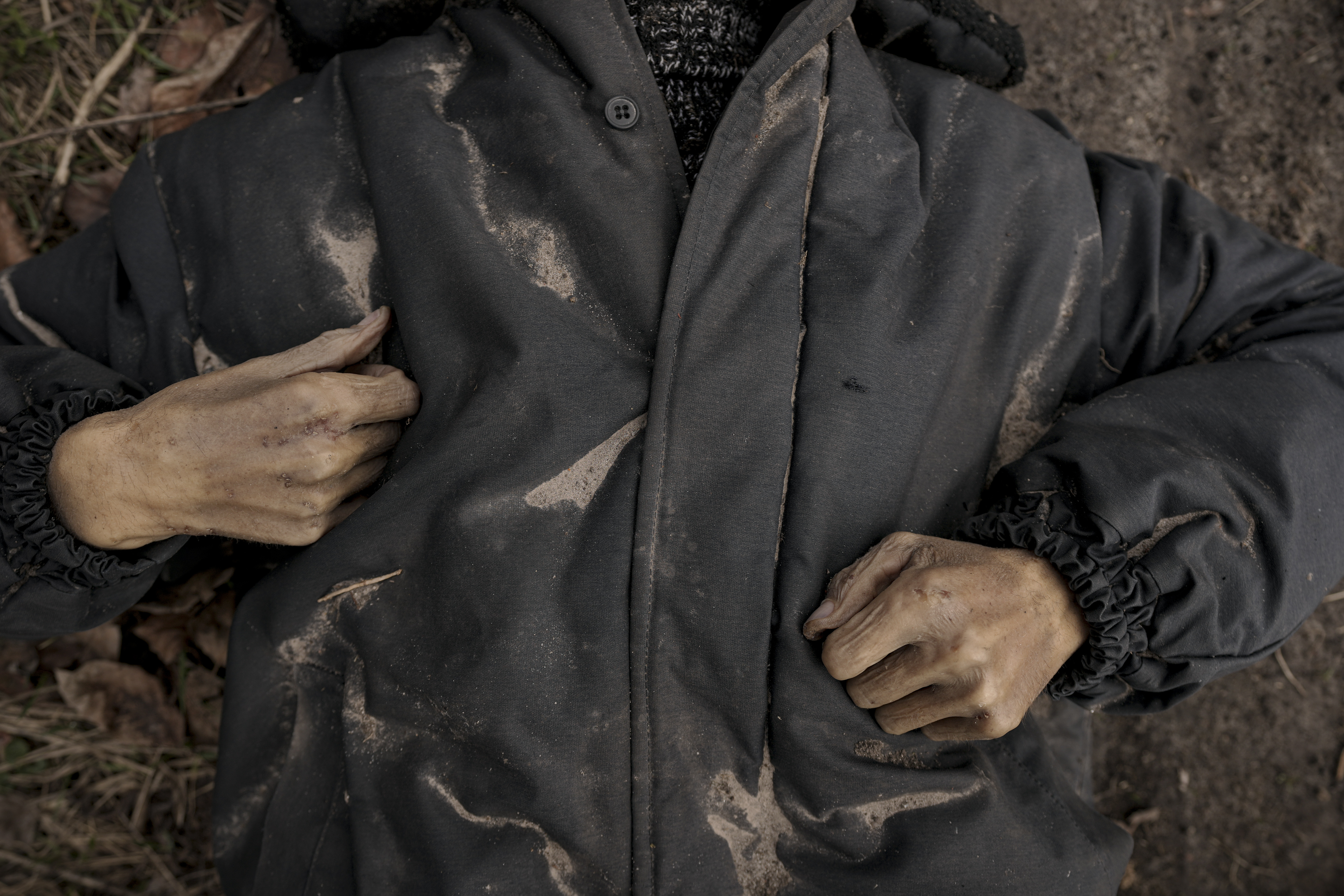
The Economist was also able to verify reports of summary executions and denied the Russian version that held Ukraine responsible for what happened.
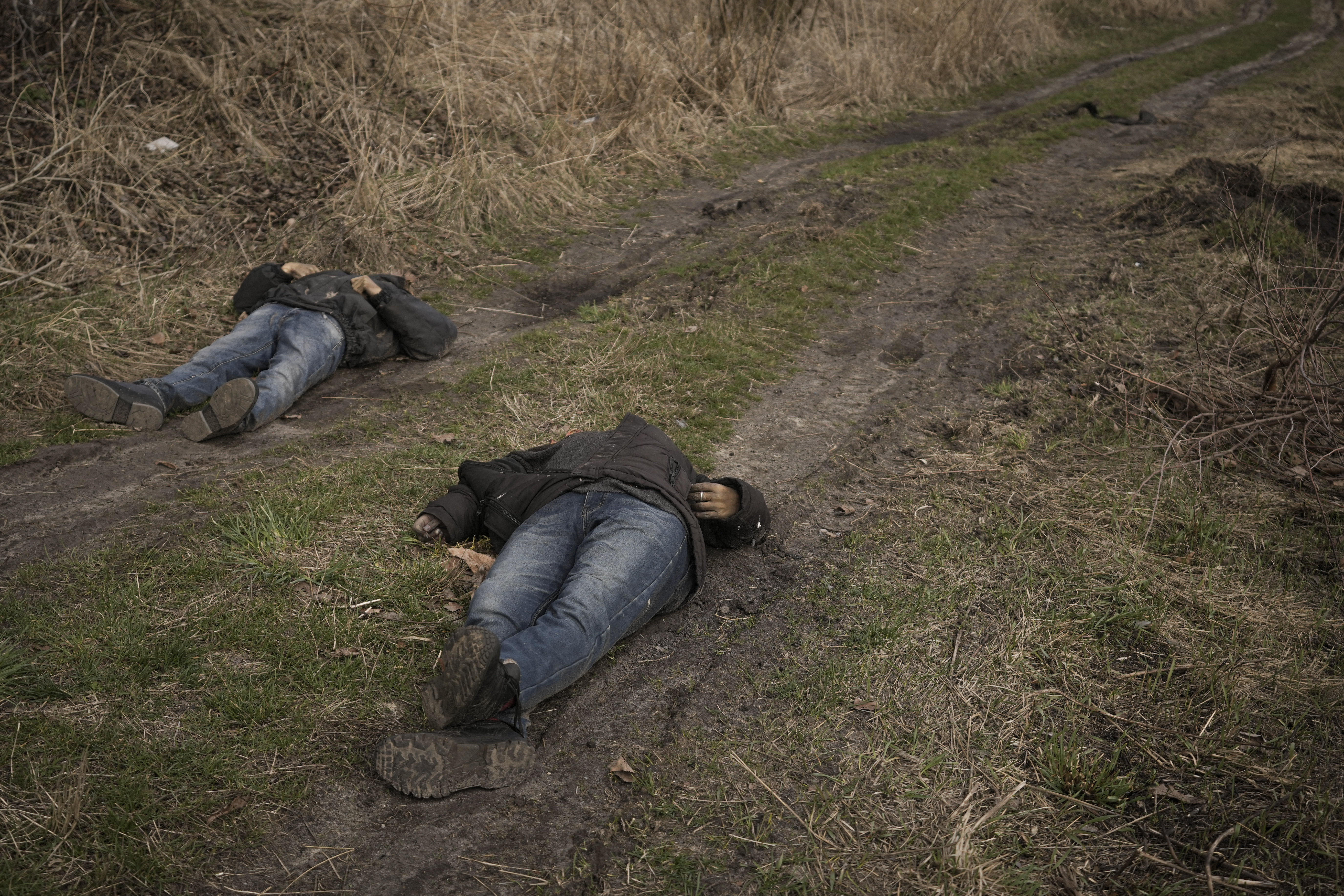
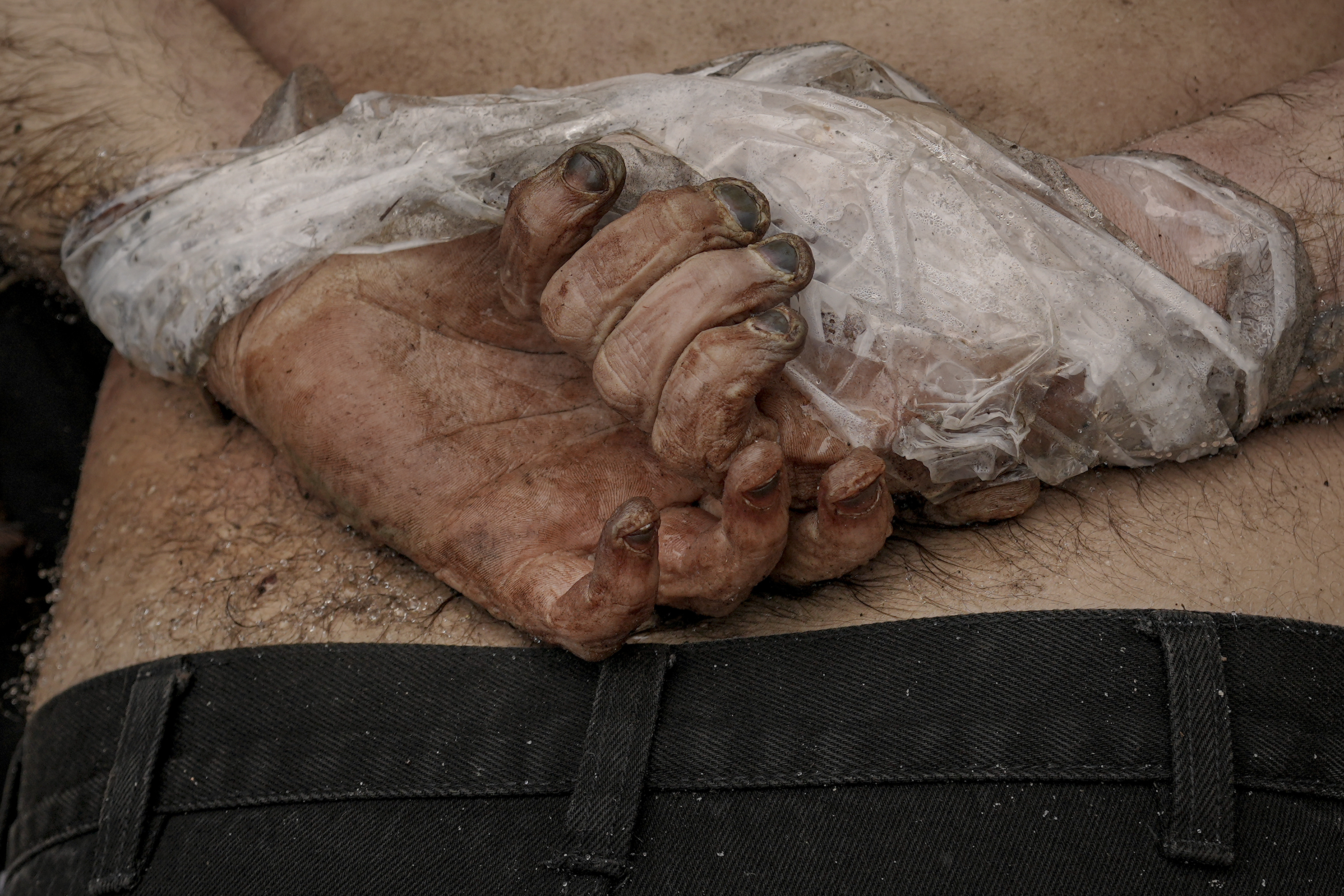
“Nine bodies lay on the side of a builder's yard and two others on the road between Bucha and Irpin. Everyone had puncture wounds to the head, chest, or both. At least two of the bodies had their hands tied behind their backs. Because of the smell of decaying bodies, they had been there for some time, denying Russian claims that Ukraine, which liberated Bucha on April 1, carried out the murders,” the chronicle reads.
The massacre also revealed the lack of leadership in the Kremlin armed forces, according to The Economist.
The magazine cites General Sir Richard Barrons, who was in command of the British joint forces until 2016, according to which evidence of civil abuse by Russian forces “reveals a failure of leadership at all levels, a breakdown in morale, a failure in the training of the rules most fundamental aspects of war, and probably, above all, a failure of collective self-discipline in the face of staunch resistance”.
The result, he said, will be for the Kremlin militarily and diplomatically counterproductive: it will intensify Ukrainian resistance, boost Western military support for sanctions and military aid, and significantly reduce space for dialogue.
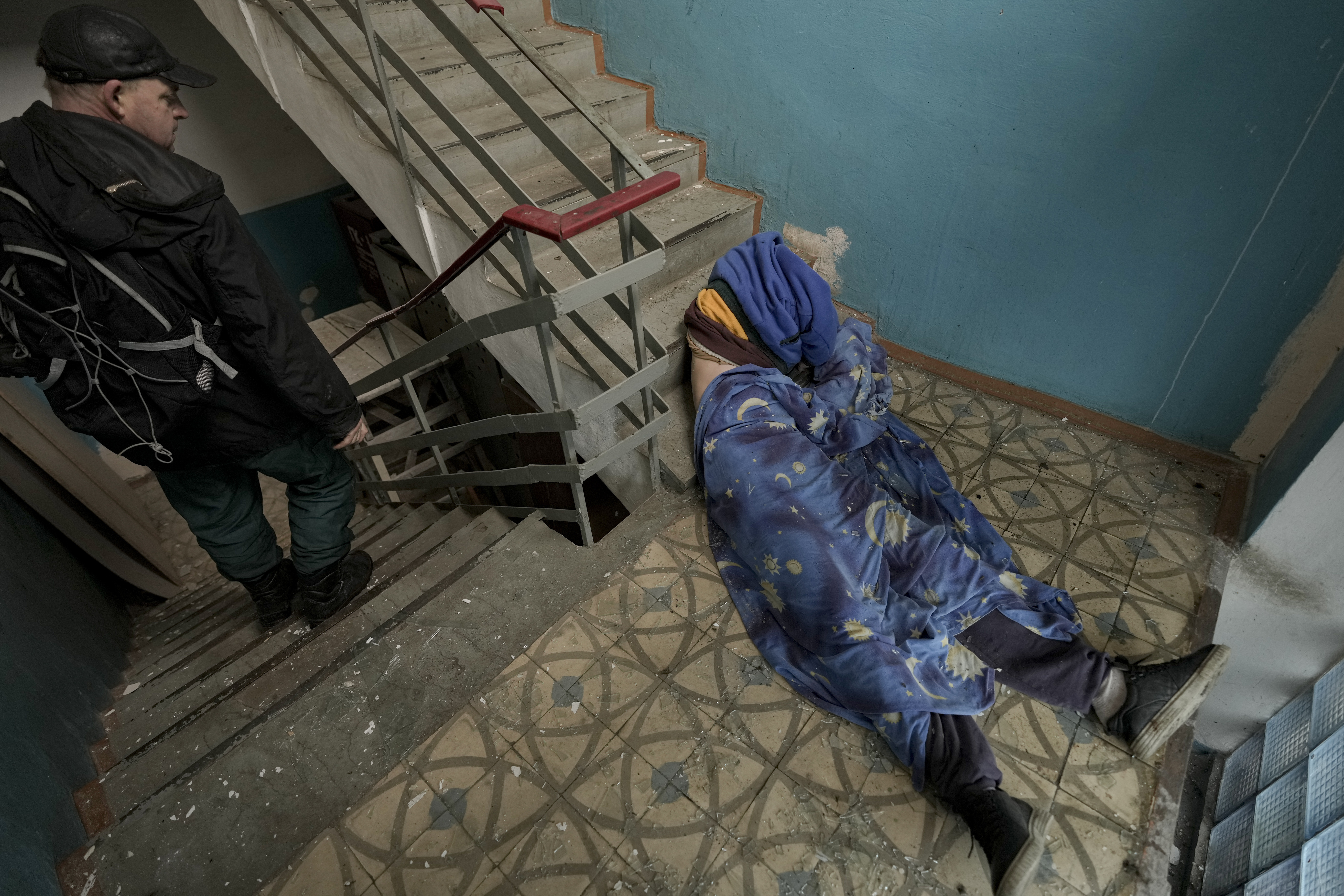
The Economist also highlighted the disturbing similarities between the Bucha massacre and the wars waged by Russia in Chechnya in the 1990s and early 2000s, with Putin already president of the country.
What happened in Bucha, in particular, recalls the case of Novye Aldi, a suburb of the Chechen capital Grozny. There Russian troops went from house to house executing civilians, according to eyewitness accounts gathered by the oenegé Human Rights Watch. “Brutal sweeps like these became known as zachistka or 'cleaning' operations,” recalls the magazine.
In fact, the Chechens themselves could be involved in the massacre that, moreover, in all likelihood, was premeditated, according to The Economist: “The Conflict Intelligence Team, a research group, says it is likely that the Russian units involved in Bucha come from the military district of eastern Russia, or from one of the other formations involved in this axis: the airborne forces VDV, the Rosgvardia (the Russian army national guard) or troops loyal to Ramzan Kadyrov”, the Chechen leader accused of assassinations and all kinds of human rights abuses.
The magazine also cites Jack Watling, a military expert from the Royal United Services Institute, a British think tank, who was in Ukraine in the weeks before the war.
“Anyone who says that Bucha is the result of brutality or dishonest behavior is wrong,” Watling said. “This was the plan. It was premeditated. It's consistent with Russian methods in Chechnya. And if the Russian army had been more successful, there would be many more peoples like this.”
In addition, since Vladimir Putin took power in 1999, the Kremlin has fostered a cult of aggression aimed at “legitimizing senseless military campaigns,” explained Elena Racheva, a social anthropologist at Oxford University.
Encouraged by state television, soldiers look at a father or grandfather who fought in the Great Patriotic War of 1941-1945 as their role model. This is how videos such as the one published by the Russian Ministry of Defense on April 1, in which Aleksei Shabulin, commander of a battalion who carried out a zachistka in the direction “Hostomel-Gucha... Bucha-Lozero”.
“My great-grandfather went through the entire Second World War and until 1953 he pursued the fascist devil named Bandera through the Ukrainian forests,” he said. “I am now a glorious successor to this tradition. Now my time has come and I will not dishonor my great-grandfather, and I will go to the end.”
Keep reading:
Últimas Noticias
Debanhi Escobar: they secured the motel where she was found lifeless in a cistern
Members of the Specialized Prosecutor's Office in Nuevo León secured the Nueva Castilla Motel as part of the investigations into the case

The oldest person in the world died at the age of 119
Kane Tanaka lived in Japan. She was born six months earlier than George Orwell, the same year that the Wright brothers first flew, and Marie Curie became the first woman to win a Nobel Prize

Macabre find in CDMX: they left a body bagged and tied in a taxi
The body was left in the back seats of the car. It was covered with black bags and tied with industrial tape

The eagles of America will face Manchester City in a duel of legends. Here are the details
The top Mexican football champion will play a match with Pep Guardiola's squad in the Lone Star Cup

Why is it good to bring dogs out to know the world when they are puppies
A so-called protection against the spread of diseases threatens the integral development of dogs


