


The health crisis caused by COVID-19 has been going on for two years and 19 days, counting since the World Health Organization (WHO) formally declared a state of pandemic. Then, over the months, other definitions were added such as long COVID, or prolonged COVID, which are a set of symptoms that some people manifest after the disease, and also pandemic fatigue. This last concept was introduced by the international entity to refer to the reaction to the prolonged measures and restrictions generated by the COVID-19 pandemic.
Over the course of the months, experts saw the exhaustion generated by the numerous restrictions on movement — which has already been overcome in most countries — the need to cover themselves with a mask — especially in open spaces — to maintain cross-ventilation in environments and vaccination — which in many cases is already going for the fourth dose.
Pandemic fatigue can manifest itself in tiredness, overwhelmed by the routine that the pandemic has entailed, which can degenerate into states of hopelessness for the future, anxiety, feelings of loneliness, among others, which ultimately lead to lowering our arms in terms of care to avoid contagion.
“The pandemic is not over because the virus is new to humans, we were all susceptible to getting sick from the new coronavirus, no one had any trace in their defense system that could protect the arrival of the new invader. The world is communicated in such a way that a person can reach anywhere in the world in 36 hours, but the world is also divided into countries that decided to handle the crisis in different ways,” explained Mexican internist and infectiologist Francisco Moreno Sánchez, in an article in the newspaper Reforma.
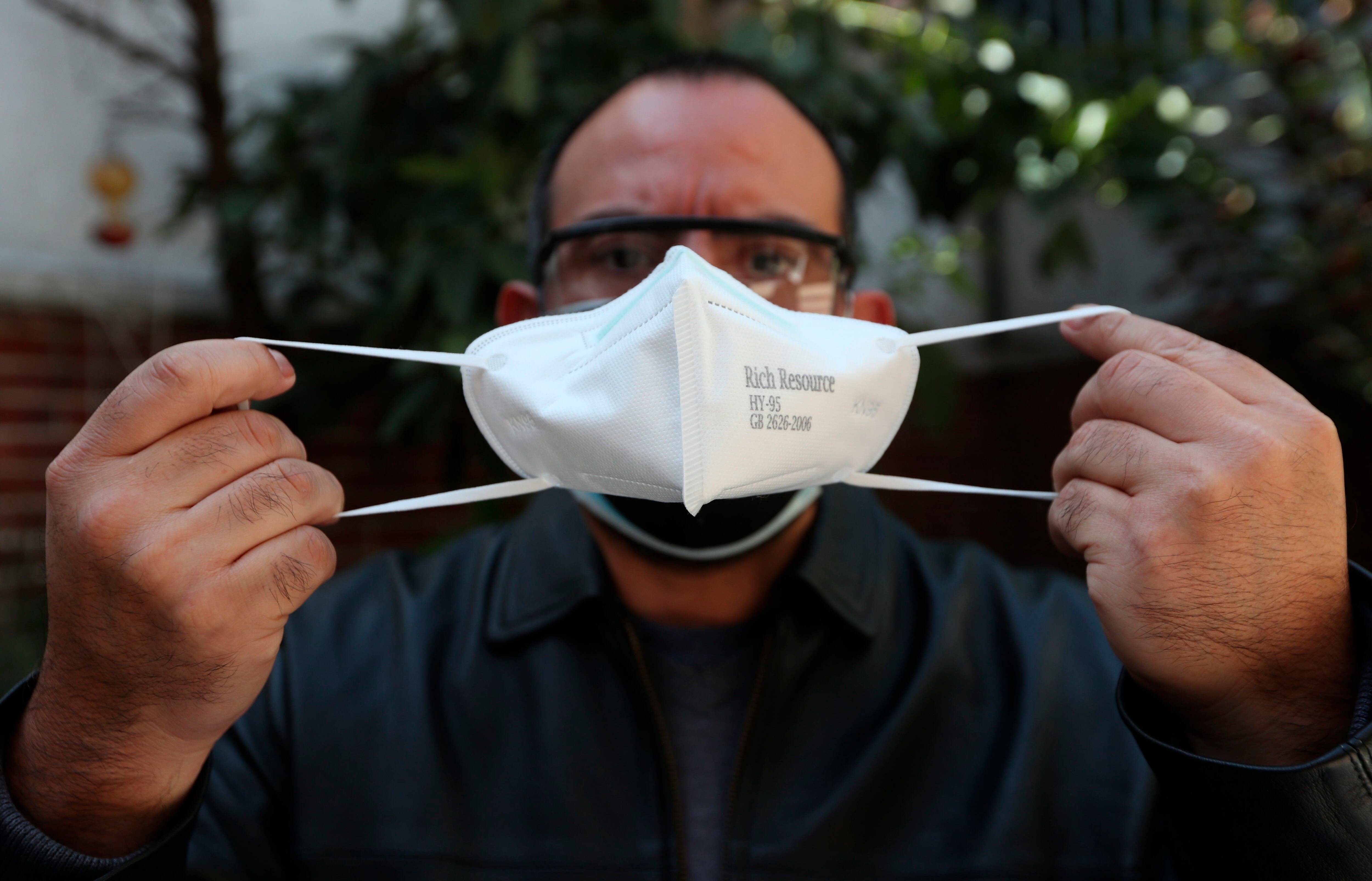
The specialist considered that “the discovery of variants is like the seismic alarm, you listen to it, fear comes, you know what is going to happen and you just hope it will happen. Science is playing a similar role, finding variations of the virus, reinfections, differences in the duration of protection provided by vaccines, which, per cent, are not the same for all and have variability depending on the person's immune status,” he said. All this constitutes an alarm that “once you hear it you know it is coming, but it only gives you a few seconds to warn you before the arrival of a small earthquake or a deadly earthquake”.
The sharp increase in cases caused by the Ómicron variant of coronavirus since last November, which generated a new wave in the first months of this year, was another milestone for mental health and accentuated some previous personal situations. “Ómicron broke with the illusion that we were emerging from the pandemic,” Alicia Stolkiner, tenured professor of the Chair of Mental Health and Public Health at the Faculty of Psychology at the University of Buenos Aires, told Infobae. It hardly left anyone unaffected directly or indirectly. There is exhaustion in the face of the situation and discouragement and there has been a great increase in consultations due to anxiety and panic attacks,” said the psychologist.
Meanwhile, there are people who may not have sequelae from the infection or have not yet been infected and suffer from some degree of fatigue due to the type of life that must be led in the context of the circulation of the coronavirus, beyond the fact that there are no confinements as during the first stage of the crisis.
“The first stage of the pandemic produced a social upheaval due to lockdowns and different restrictions. Stress pictures increased, and there are people who find it difficult to recover. The vision of openness in the future is not enough. They feel that the end is never reached and they are as exhausted,” Dr. Marcelo Cetkovich, a psychiatrist and medical director of INECO, told Infobae.
The pandemic led much of humanity to live as if in a state of “semi-rest,” he said. “A lot of people went on to have more virtual meetings or work remotely. It was a dishabituation of the rhythm of life and now it is difficult to return to the previous rhythm,” added Cetkovich.
For his part, Dr. Moreno Sánchez pointed to the responsibility of the countries' leadership in the continuation of the pandemic, but he also urged individuals to continue to join their efforts to overcome this global crisis.
“The pandemic has continued because the economic differences that exist in the world mean that in some parts of the world the inhabitants of first-world nations receive the fourth dose, while in other places less than 15% are vaccinated. By March 28, 2022, a total of 11.119 billion doses had been applied worldwide, but only 14.5% inhabitants of low-income countries have received a dose,” said Dr. Moreno Sánchez,
The expert warned that “the disease persists because in many countries the pandemic resulted in an obstacle to the realization of material projects because the virus removed the reflectors of the rulers who forgot, percent, that health was a priority. COVID-19 has been a discomfort, rather than a challenge to care for, protect, and educate the population that chose them to do so, to provide the necessary resources that could allow them to stay safe from this tsunami.”
But on the other hand, he acknowledged that “we are all fatigued, but the only way to get into an endemic phase is to put into practice what many are tired of, the mask, the ventilation, the small meetings, the vaccines. Others must be warned that after a year and 3 months they can stop using vaccines and drugs against the disease as a political instrument, that health is a natural right, not an electoral one.”
“The triumph over the disease does not depend on us removing our masks in closed spaces, nor does it happen by decree of a political discourse. The real victory is to continue to avoid getting sick and thus protecting those around us,” he added.
“According to figures for excess mortality in the world, it is estimated that more than 18 million human beings have died from this pandemic, I assure you that they would rather be fatigued,” concluded the Mexican expert.
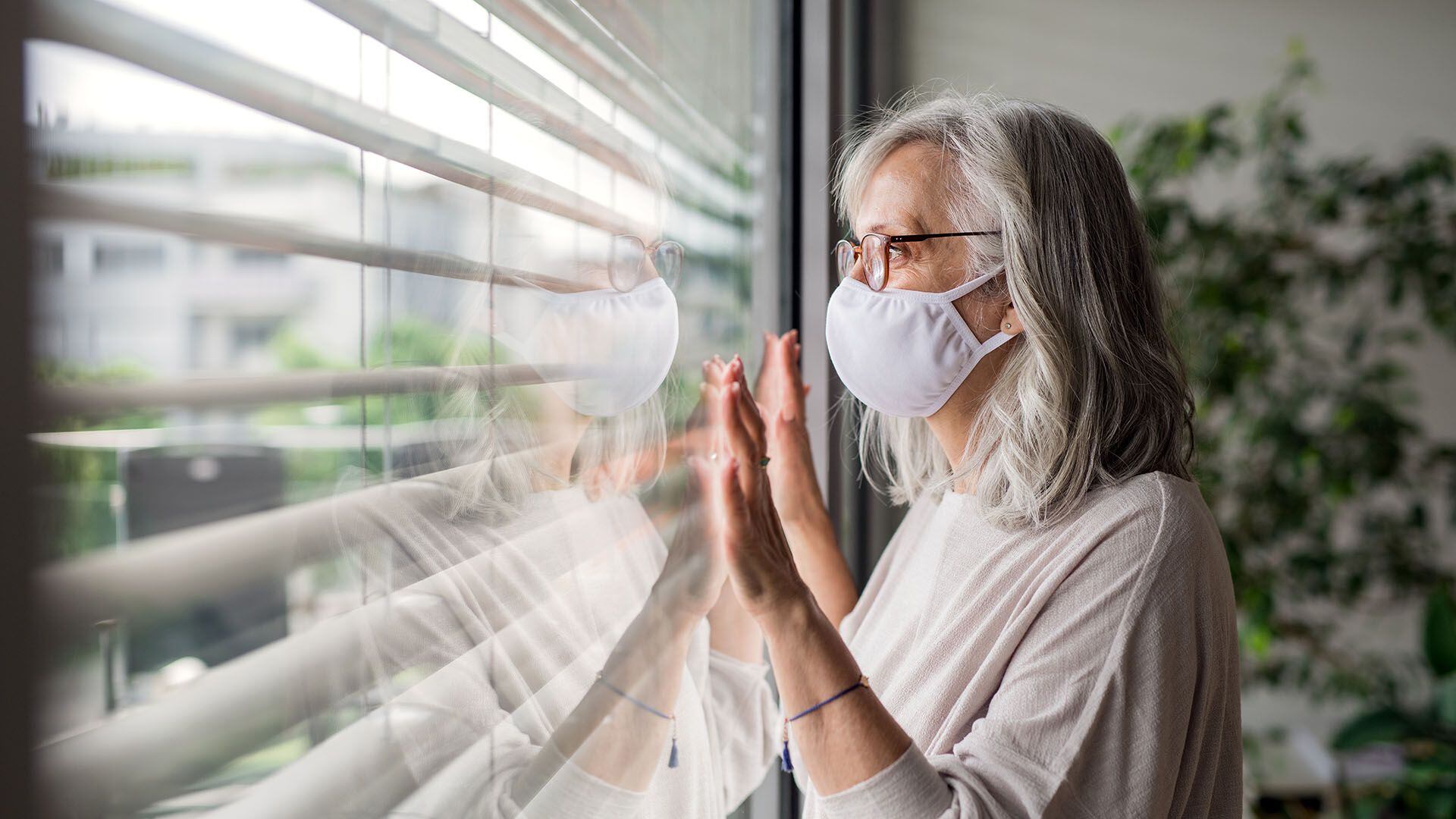
Studies on the issue led by Carisa Parrish, a specialist at the Johns Hopkins University Children's Center and co-director of the Pediatric Medical Psychology program, the same entity are allowing information on how parents and guardians can help children and adolescents wait the months remaining from the pandemic and projecting better times.
The pandemic meant breaking social relations with equals and with the extended family, two of the key areas for child development. If stress and family uncertainty in social and economic terms are added to this, the situation of anxiety and fear of girls and boys increases. As a result, there is a higher incidence of mental health problems such as anxiety, depression, and stress-related symptoms.
In many cases, this situation has been worsened by illness or loss of loved ones. In the short term, anxiety crises, sleep disturbances, diet and physical exercise have occurred. Modifying these routines can affect development at very young ages, and may even produce more lasting changes. In addition, girls, boys and adolescents have long lost school socialization. This has been denatured and filled with artificial elements (masks, gels, distance...) whose use is only now beginning to become more flexible.
KEEP READING
Últimas Noticias
Debanhi Escobar: they secured the motel where she was found lifeless in a cistern
Members of the Specialized Prosecutor's Office in Nuevo León secured the Nueva Castilla Motel as part of the investigations into the case

The oldest person in the world died at the age of 119
Kane Tanaka lived in Japan. She was born six months earlier than George Orwell, the same year that the Wright brothers first flew, and Marie Curie became the first woman to win a Nobel Prize

Macabre find in CDMX: they left a body bagged and tied in a taxi
The body was left in the back seats of the car. It was covered with black bags and tied with industrial tape

The eagles of America will face Manchester City in a duel of legends. Here are the details
The top Mexican football champion will play a match with Pep Guardiola's squad in the Lone Star Cup

Why is it good to bring dogs out to know the world when they are puppies
A so-called protection against the spread of diseases threatens the integral development of dogs


