


Relations between Mexico and Cuba are going through a good time, reinforced by the visit to Havana in May of Mexican President Andrés Manuel López Obrador, on the twentieth anniversary of the “you eat and go” incident, one of the biggest recent bilateral crises.
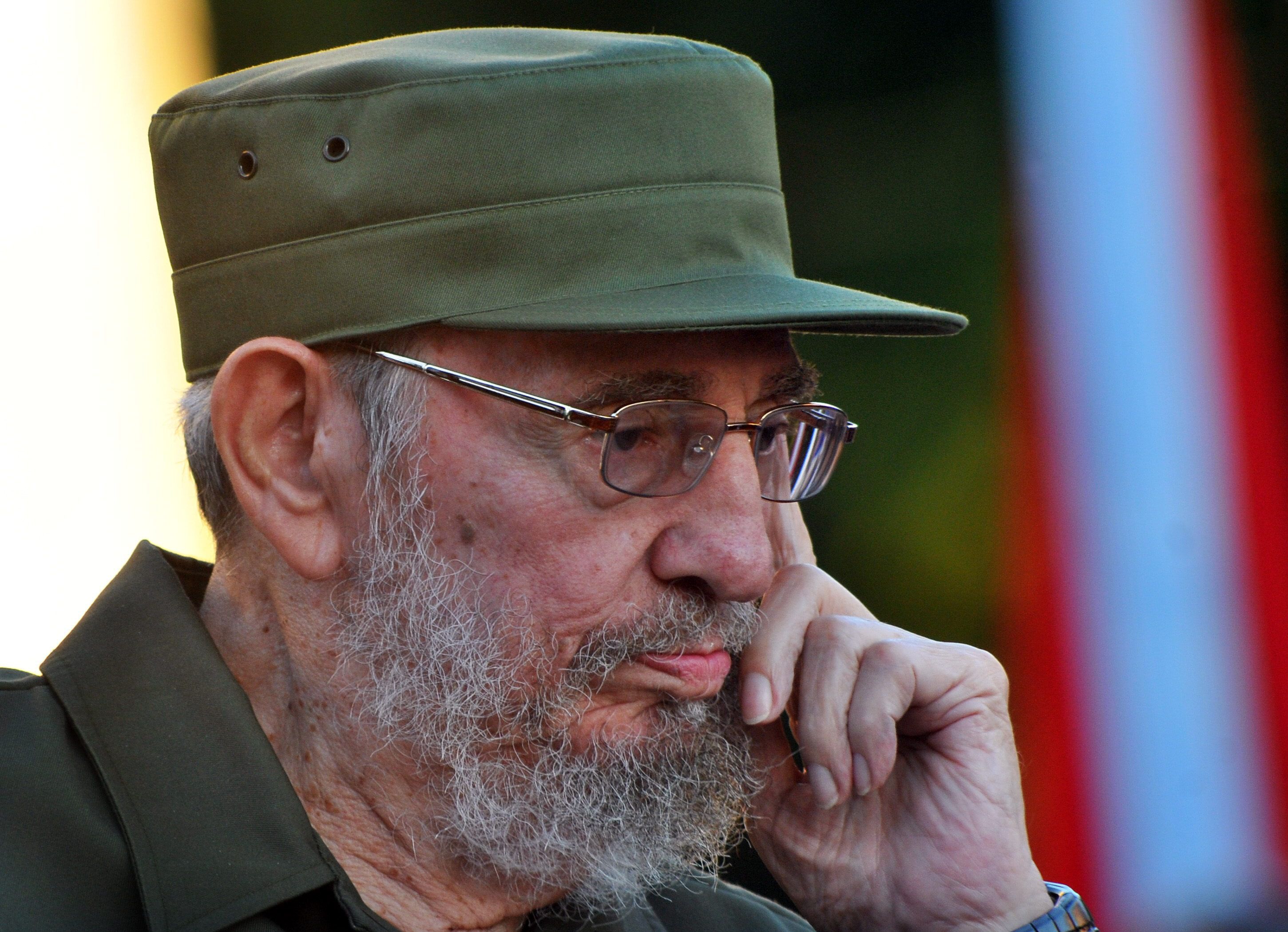
Then-Cuban President Fidel Castro, who died in 2016, dismissed those present at the Extraordinary Summit of the Americas, in the Mexican city of Monterrey, when he made his surprise announcement.
“I beg all of you to excuse me that I cannot continue to accompany them, due to a special situation created by my participation,” Castro lamented in his first and last speech during the event, which was held from March 18 to 22, 2002.
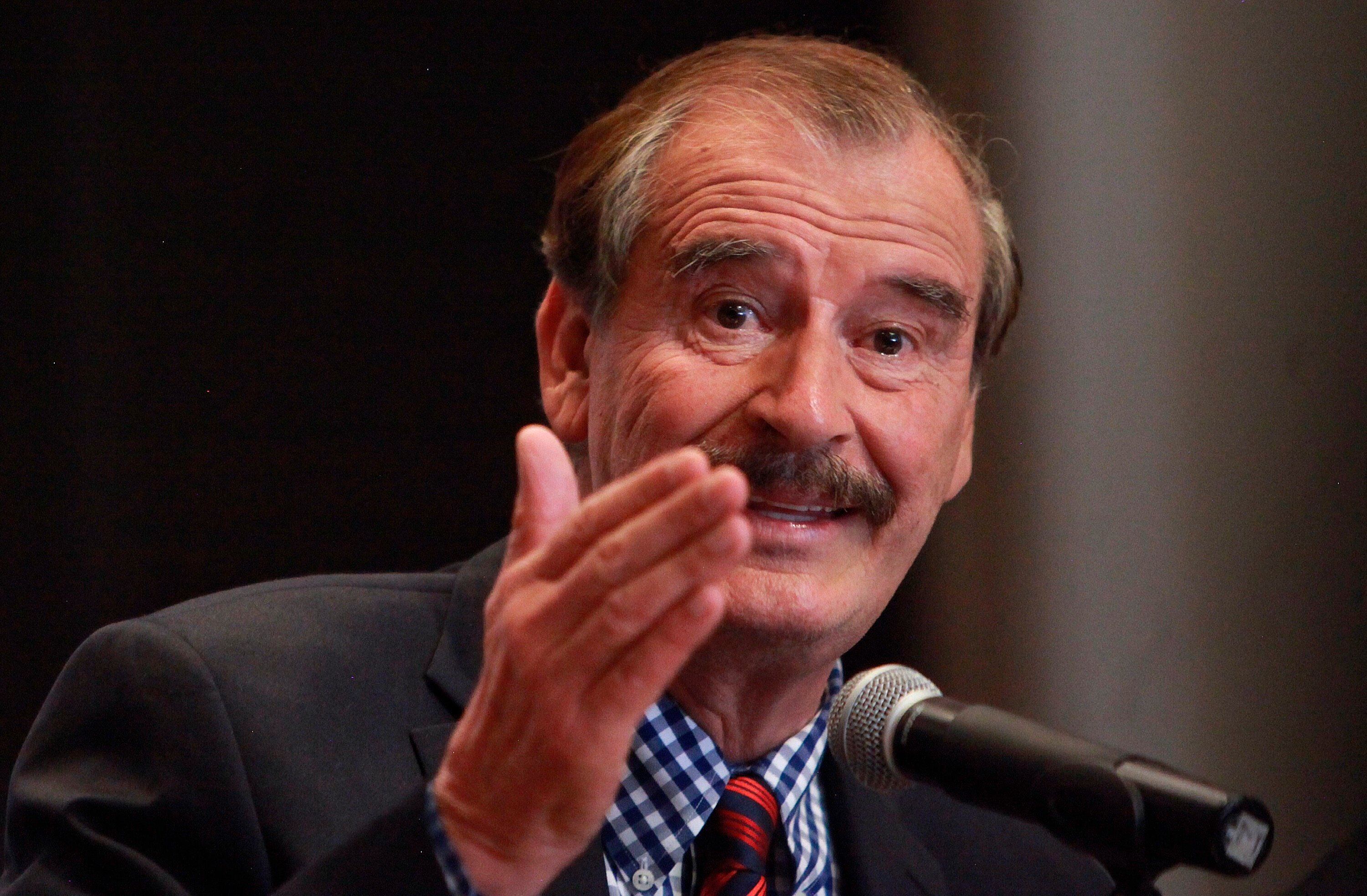
Months later, in April 2002, the island's government broadcast a telephone conversation between President Vicente Fox (of the National Action Party, PAN) and Fidel Castro before the March summit explaining what happened.
“After the event and the participation, let's say, you are back (...) and let me go free, and that is the request I make to you, on Friday, so that you don't complicate me,” Fox asked Catro on the call.
The day after Castro's speech — and farewell — (on a Thursday) there would be a lunch between heads of state attended by US President George W. Bush, the guest with whom Fox did not want the Cuban to run into.
In a juggling attempt to avoid confrontation, the president invited Castro to sit next to him at a lunch before leaving. This is how the controversy of “you eat and leave” was born.
“I haven't found any alternative to what was there, we have to take into account all the factors,” said Jorge Castañeda, Mexican foreign minister from 2000 to 2003, in a telephone interview with Efe.
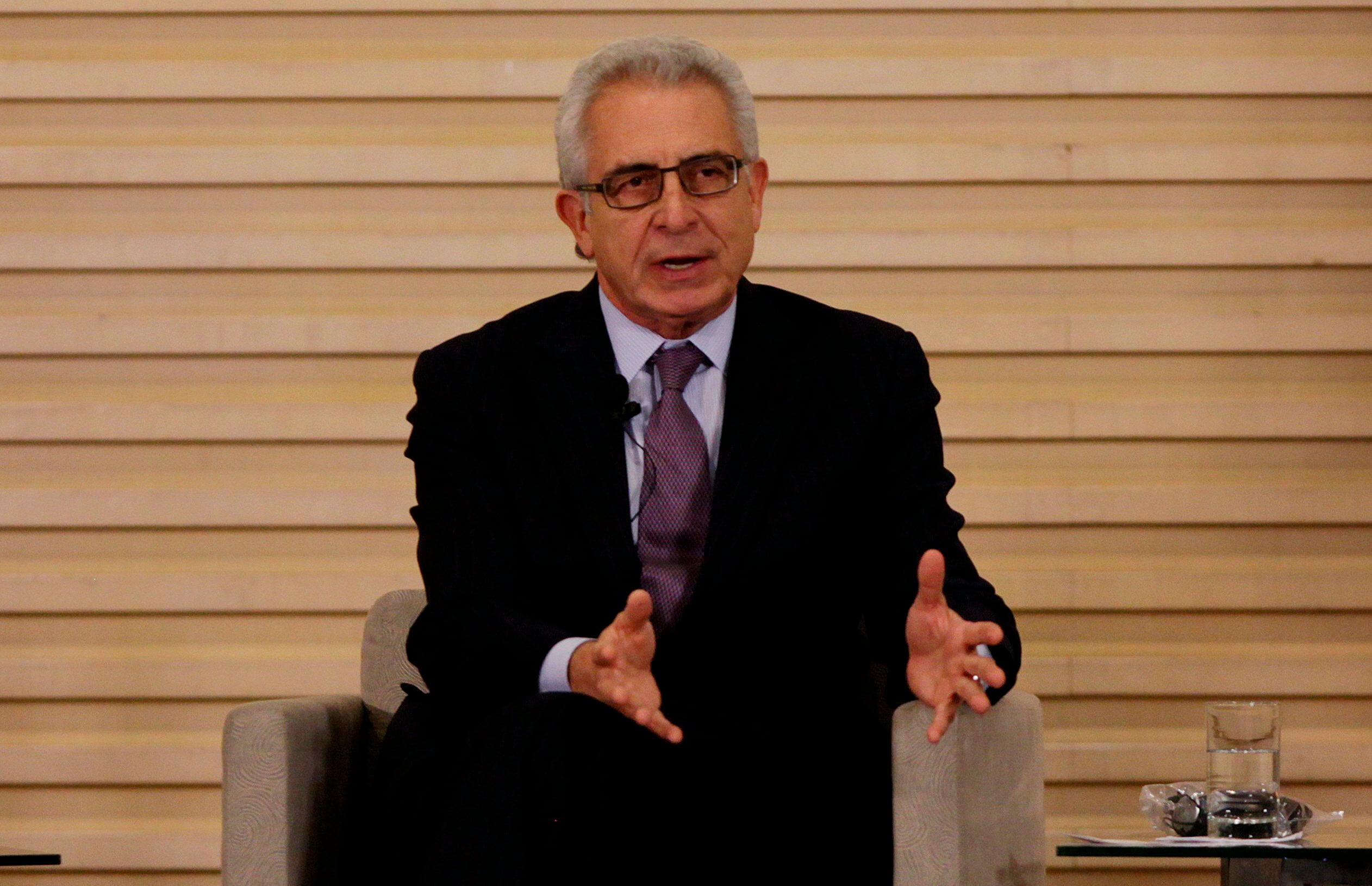
Castañeda insisted that ties were already disrupted during the presidency of Ernesto Zedillo (1994-2000), of the Institutional Revolutionary Party (PRI), who even called for democracy on the island.
The escalation continued when in 1998, the island leader reproached Mexico for its attunement with US “imperialism” and criticized the fact that Mexicans knew “more about Mickey Mouse than their heroes.”
Two years after the “you eat and go”, in 2004, Fox expelled the Cuban diplomatic representative and withdrew his ambassador to the island for almost three months.
“It was badly poorly executed, there was an arrogance on the part of the Mexican government. They could do it differently to negotiate it with Fidel, but they didn't care,” told Efe Daizú López de Lara, an academic in the Department of International Relations at the Universidad de las Américas Puebla (Udlap).
For Cuban Rafael Rojas, a professor at the Center for Historical Studies of the Colegio de México, Fox's administration lacked “expertise” in his dealings with Castro.
“They did not notice the accumulation of discomfort, disagreement and irritation in Cuba about Mexico's position (since the years of Zedillo),” he says.
Havana had already shown its disenchantment with Mexico's votes against the island at the United Nations Human Rights Committee in Geneva, Switzerland, during the Fox years. “That cracked the relationship,” Castañeda riveted.
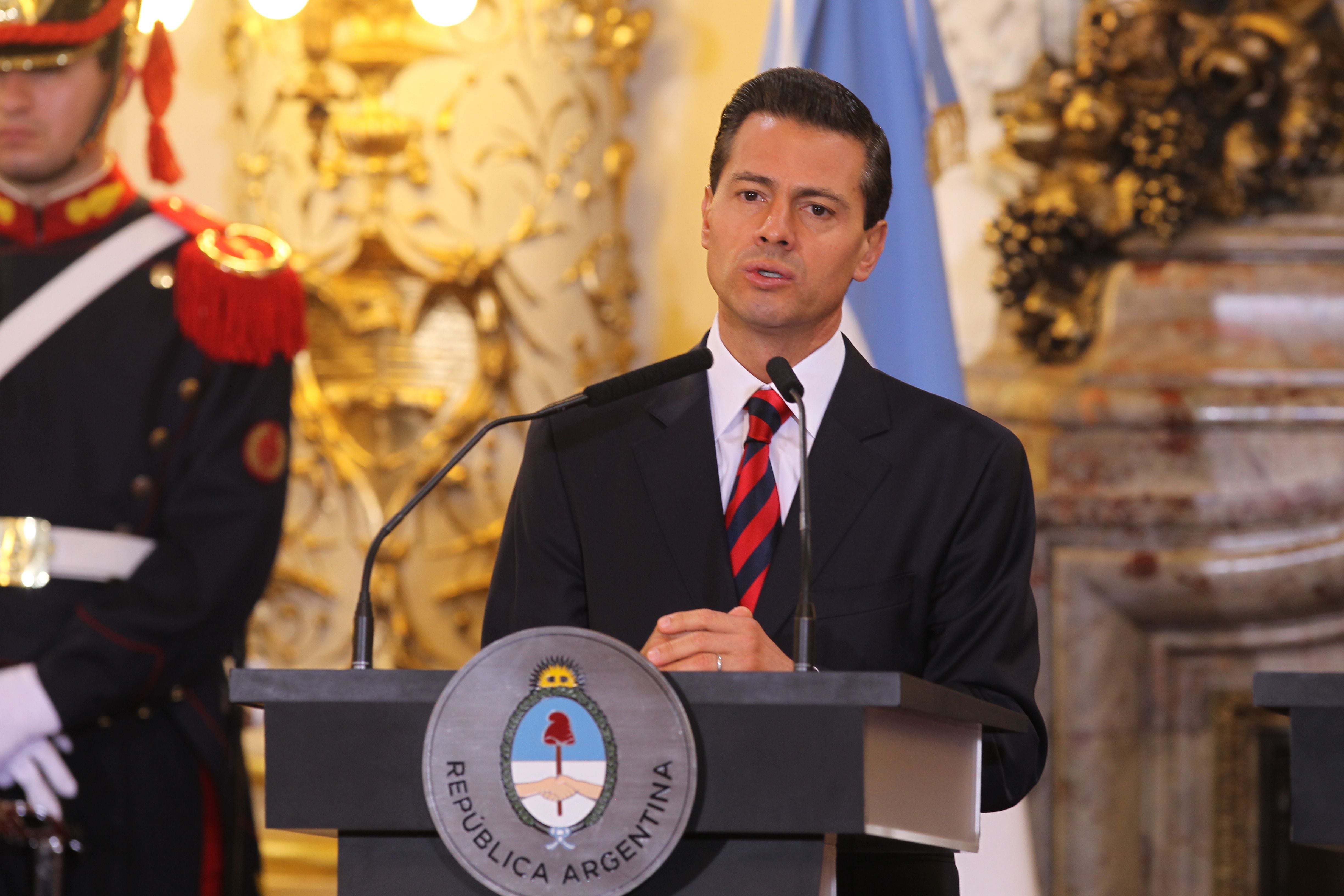
The experts agree that when Fox's government ended, a “scar operation” was initiated with Felipe Calderón, also from the PAN (2006-2012), which took place with Enrique Peña Nieto (of the PRI, 2012-2018).
In 2015, Cuba and Mexico announced a “relaunch” in their bilateral ties.
In addition, Peña Nieto visited the island — already with Raúl Castro at the head of the Government — that same year and had a private meeting with Fidel.
In this way the two nations resumed the special bond they had maintained since the triumph of the revolution in 1959 — Mexico was the only Latin American country that did not cut ties with Havana after the 1962 missile crisis.
“If you review the history of the relationship, it has always been pendulous and more political than economic,” María Cristina Rosas, from the National Autonomous University of Mexico (UNAM), said in an interview with Efe on Zoom.
According to 2019 data from the island's National Bureau of Statistics and Information (ONEI), Mexico is among Havana's top 10 trading partners, but far from other economies such as Venezuela, China, Spain and Canada.
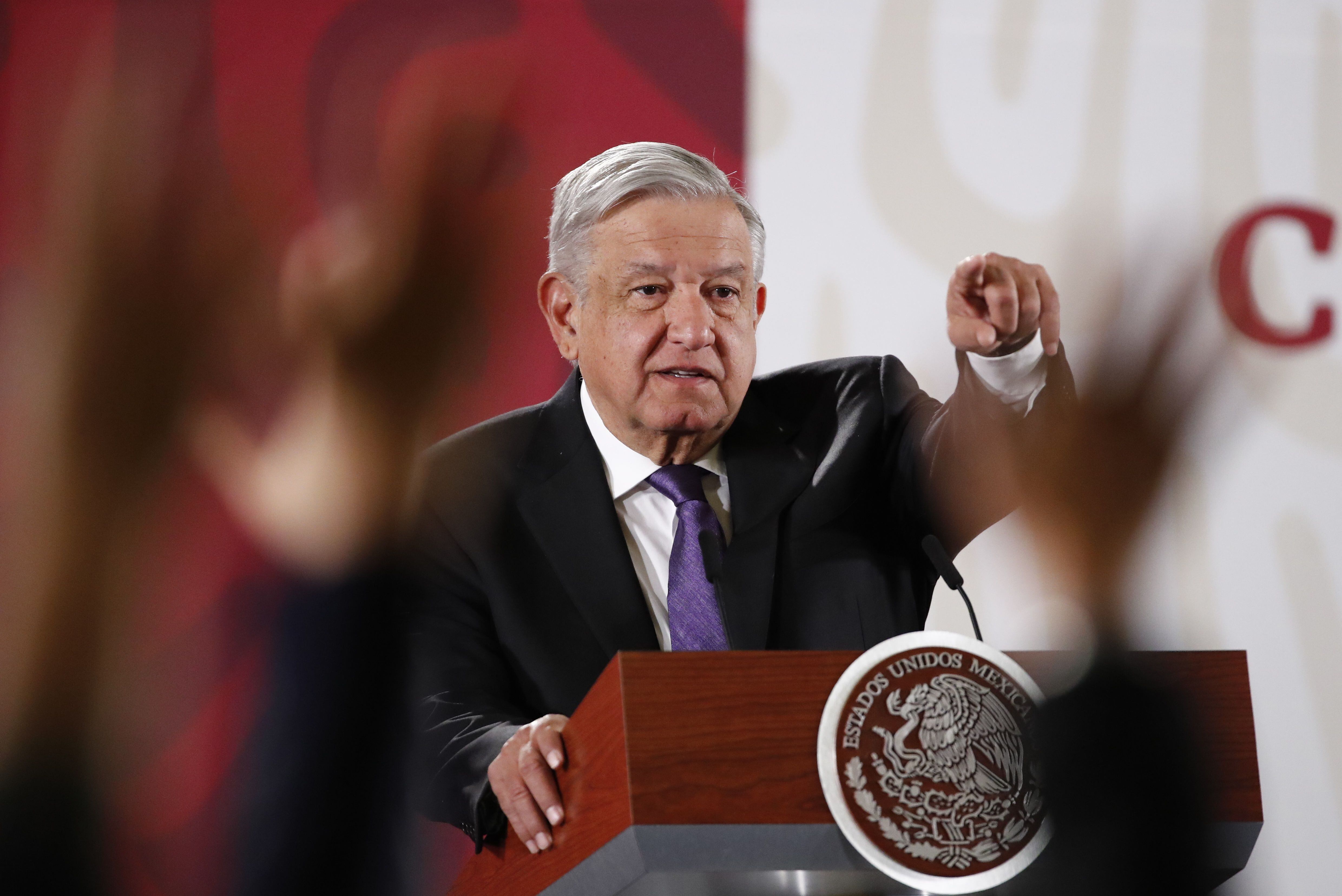
Analysts say that the state of relations is experiencing a sweet moment since the coming to power in 2018 of Andrés Manuel López Obrador (left).
The Mexican invited his Cuban counterpart Miguel Díaz-Canel to the Independence Celebration in September, where he called for an end to the US embargo on the island.
In the context of the migration crisis, López Obrador announced a visit to Cuba next May.
According to the U.S. Customs and Border Protection Office (CBP), in the past five months, 47,331 Cubans entered the United States country irregularly.
In advance of López Obrador's trip, a delegation from the Mexican president's party, the National Regeneration Movement (Morena), arrived last week on the island to meet with the government and authorities of the Communist Party.
With information from EFE
KEEP READING:
Últimas Noticias
Debanhi Escobar: they secured the motel where she was found lifeless in a cistern
Members of the Specialized Prosecutor's Office in Nuevo León secured the Nueva Castilla Motel as part of the investigations into the case

The oldest person in the world died at the age of 119
Kane Tanaka lived in Japan. She was born six months earlier than George Orwell, the same year that the Wright brothers first flew, and Marie Curie became the first woman to win a Nobel Prize

Macabre find in CDMX: they left a body bagged and tied in a taxi
The body was left in the back seats of the car. It was covered with black bags and tied with industrial tape

The eagles of America will face Manchester City in a duel of legends. Here are the details
The top Mexican football champion will play a match with Pep Guardiola's squad in the Lone Star Cup

Why is it good to bring dogs out to know the world when they are puppies
A so-called protection against the spread of diseases threatens the integral development of dogs


