


Mexico City and several states in the country were again surprised with the preventive warning of the Mexican Seismic Warning System (SASMEX), so thousands of citizens evacuated their homes or work in order to safeguard themselves in the event of an accident.
This system works by evaluating three algorithms that boast “high reliability” to determine their possible magnitude. This is equated in more than two Sasmex stations throughout Mexico and immediately determines a projection of intensity on a Richter scale.
If it exceeds 6 Richter degrees, the alerts distributed in Mexico will be triggered to prevent citizens from the earthquake reaching their entity; however, this system is not accurate at first and on several occasions the Seismic Alert is triggered by low-intensity telluric movements.
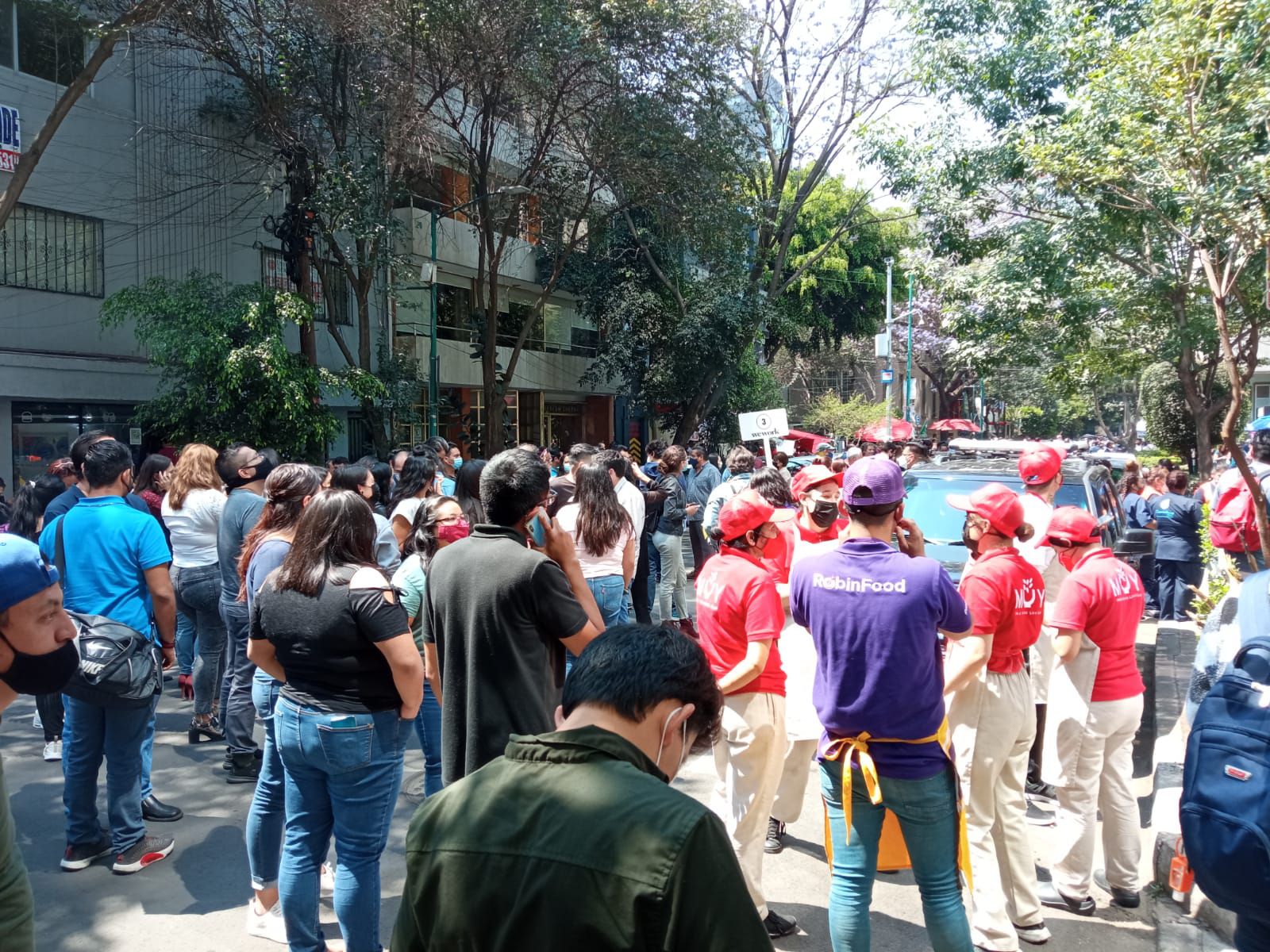
Why is the seismic alert triggered for low intensity tremors?
In summary, the Sasmex algorithm that projects the intensity estimates that rarely corresponds to the official magnitude, so as a prevention it activates alerts if they are close to 6 degrees of the Richter scale, with a high margin of error due to immediacy.
*Information in development
Últimas Noticias
Debanhi Escobar: they secured the motel where she was found lifeless in a cistern
Members of the Specialized Prosecutor's Office in Nuevo León secured the Nueva Castilla Motel as part of the investigations into the case

The oldest person in the world died at the age of 119
Kane Tanaka lived in Japan. She was born six months earlier than George Orwell, the same year that the Wright brothers first flew, and Marie Curie became the first woman to win a Nobel Prize

Macabre find in CDMX: they left a body bagged and tied in a taxi
The body was left in the back seats of the car. It was covered with black bags and tied with industrial tape

The eagles of America will face Manchester City in a duel of legends. Here are the details
The top Mexican football champion will play a match with Pep Guardiola's squad in the Lone Star Cup

Why is it good to bring dogs out to know the world when they are puppies
A so-called protection against the spread of diseases threatens the integral development of dogs


