


Since the World Health Organization (WHO) declared the COVID-19 pandemic in March 2020, there are almost infinite questions that the virus discovered in Wuhan, China, unleashed in the scientific community.
Risk groups were soon established. And although pregnant women, unlike what had happened in the influenza pandemic, are not part of these groups with the greatest chance of developing serious illness, experts studied - and are still studying - what is the extent of viral infection for children in the mother's womb, if the woman becomes infected during pregnancy.
Now, a recent study found that “women can transmit COVID to their babies, but the phenomenon is rare.”
Researchers at the University of Birmingham estimated that approximately 2% of babies born to infected mothers test positive for the virus shortly after birth. But as they clarified, contagion can occur in the womb, during labor or delivery, or during the first few days of a baby's life.
Experts reviewed nearly 500 international studies involving 18,000 children born to COVID-positive mothers during the pandemic, and saw that only 1.8% tested positive for the virus, highlighting the “low risk” of mothers transmitting the virus, according to Daily Mail.
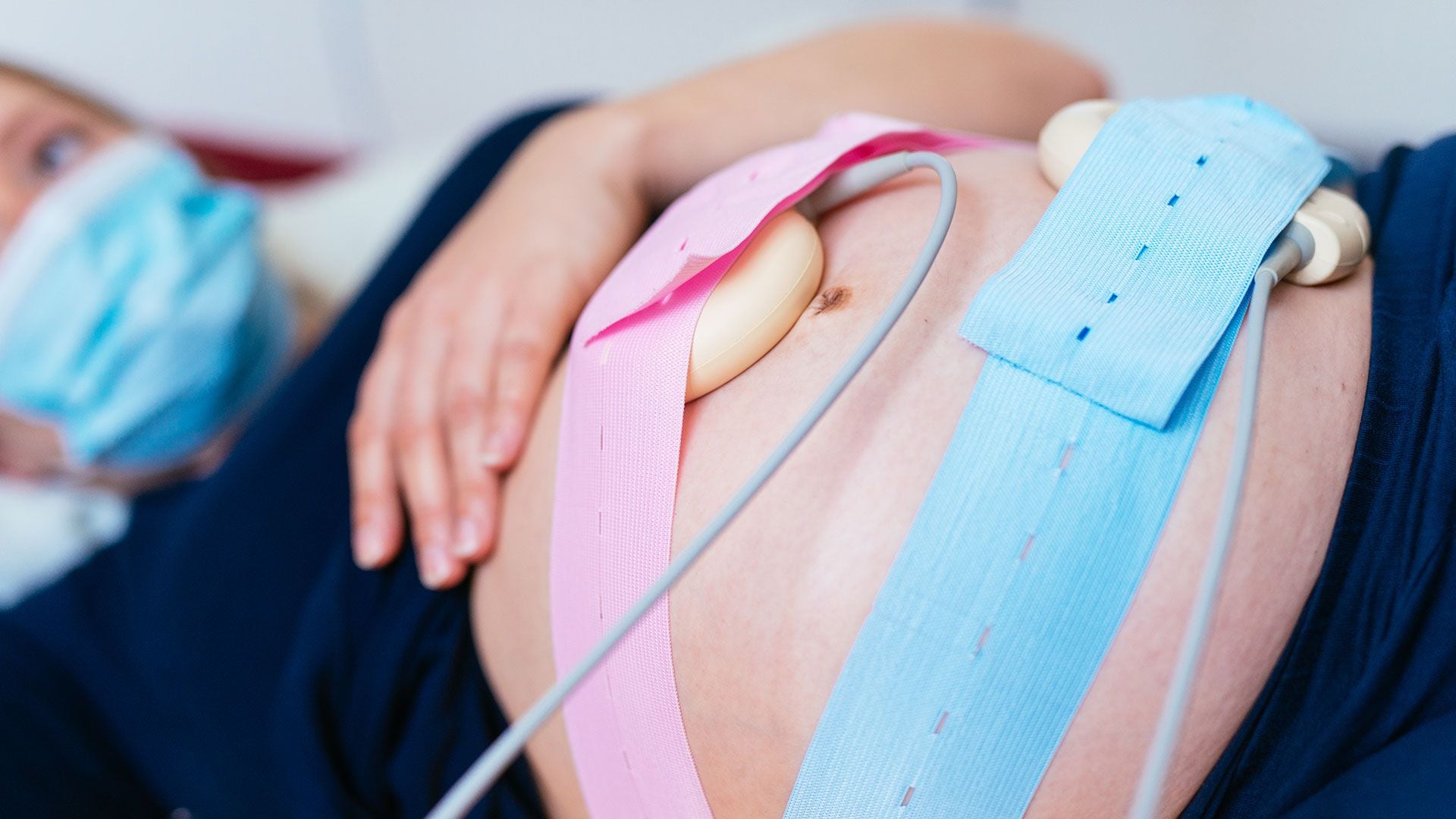
So, a later analysis suggested that only a small fraction of them probably contracted the virus in the womb. They also added that when proper preventive measures are taken after a mother tests positive, such as wearing face masks, “newborns are unlikely to become infected.”
“SARS-CoV-2 positivity rates were found to be low in babies born to mothers with SARS-CoV-2 infection. Evidence suggests confirmed vertical transmission of SARS-CoV-2, although it is likely to be rare. The severity of maternal covid-19 seems to be associated with the positivity of SARS-CoV-2 in offspring,” said the authors of the review in their conclusions published in the British Medical Journal (BMJ).
Previous studies had detected fragments of the virus in the placenta, the amniotic fluid, which surrounds babies in the womb, vaginal fluid and breast milk.
Among the positive cases studied in this study, there were data from 592 babies suggesting that they might have contracted the virus from their mothers. And there were 14 documented mother-to-child transmissions.
In rich countries, such as the United States, the risk of mother-to-child transmission was below 0.1%.
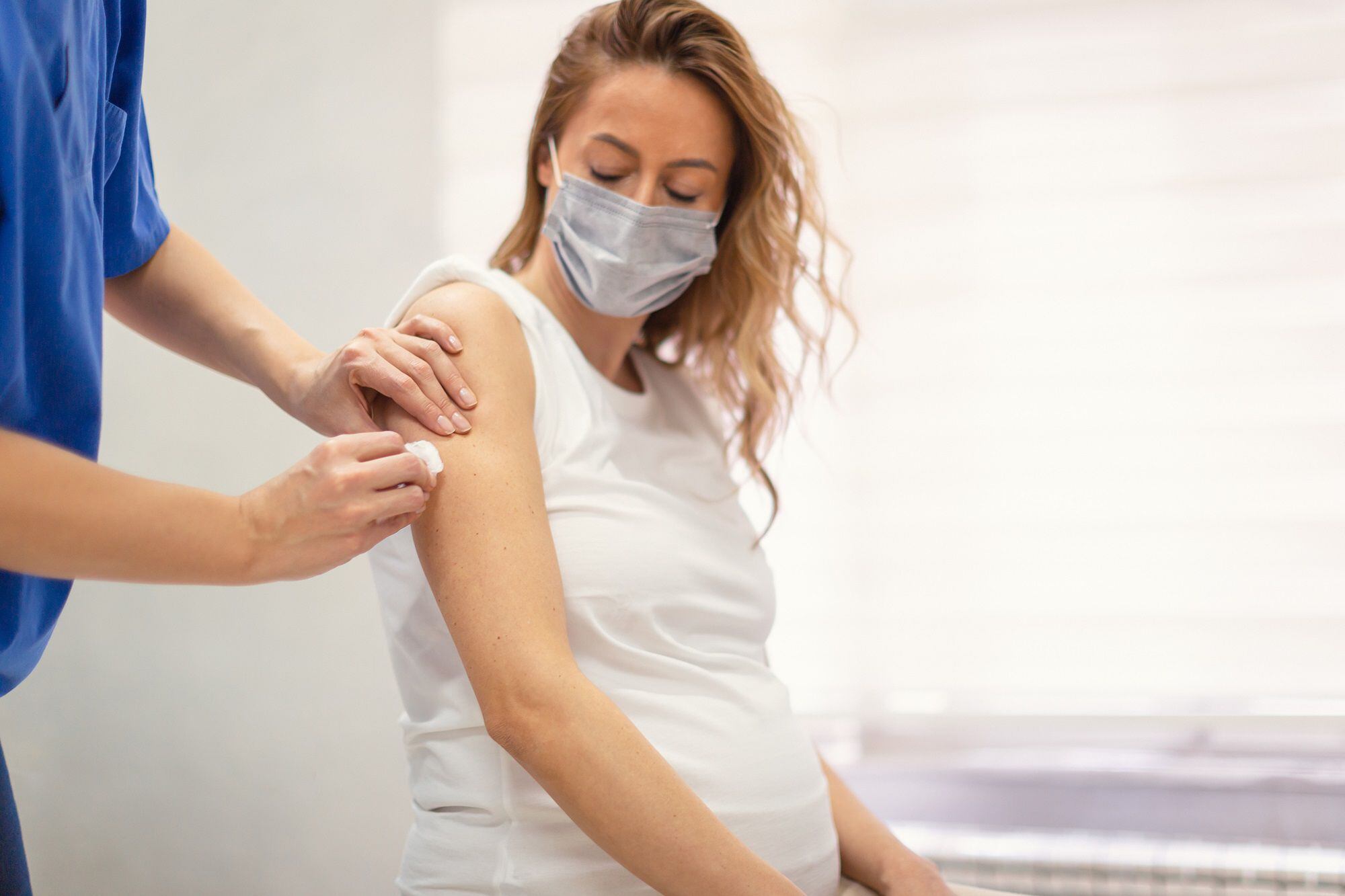
In a linked editorial, Catherine McLean Pirkle, associate professor at the University of Hawaii, wrote: “Overall, the findings of this review seem reassuring.”
“Combined, the results suggest that when appropriate preventive measures are taken during the intrapartum and early postpartum periods, such as the constant and appropriate use of personal protective equipment, newborns are unlikely to become infected,” McLean Pirkle insisted, adding that “after they are born infants, infections can potentially develop from a variety of exposures, but they are still rare.”
It is noteworthy that “there was no association between breastfeeding and infection in newborns”, according to all the studies carried out so far.
Finally, while the study suggests that mothers rarely transmit COVID to their children, doctors said that having the virus during pregnancy can still pose a risk, especially if the mother is not vaccinated.
KEEP READING
Últimas Noticias
Debanhi Escobar: they secured the motel where she was found lifeless in a cistern
Members of the Specialized Prosecutor's Office in Nuevo León secured the Nueva Castilla Motel as part of the investigations into the case

The oldest person in the world died at the age of 119
Kane Tanaka lived in Japan. She was born six months earlier than George Orwell, the same year that the Wright brothers first flew, and Marie Curie became the first woman to win a Nobel Prize

Macabre find in CDMX: they left a body bagged and tied in a taxi
The body was left in the back seats of the car. It was covered with black bags and tied with industrial tape

The eagles of America will face Manchester City in a duel of legends. Here are the details
The top Mexican football champion will play a match with Pep Guardiola's squad in the Lone Star Cup

Why is it good to bring dogs out to know the world when they are puppies
A so-called protection against the spread of diseases threatens the integral development of dogs


