


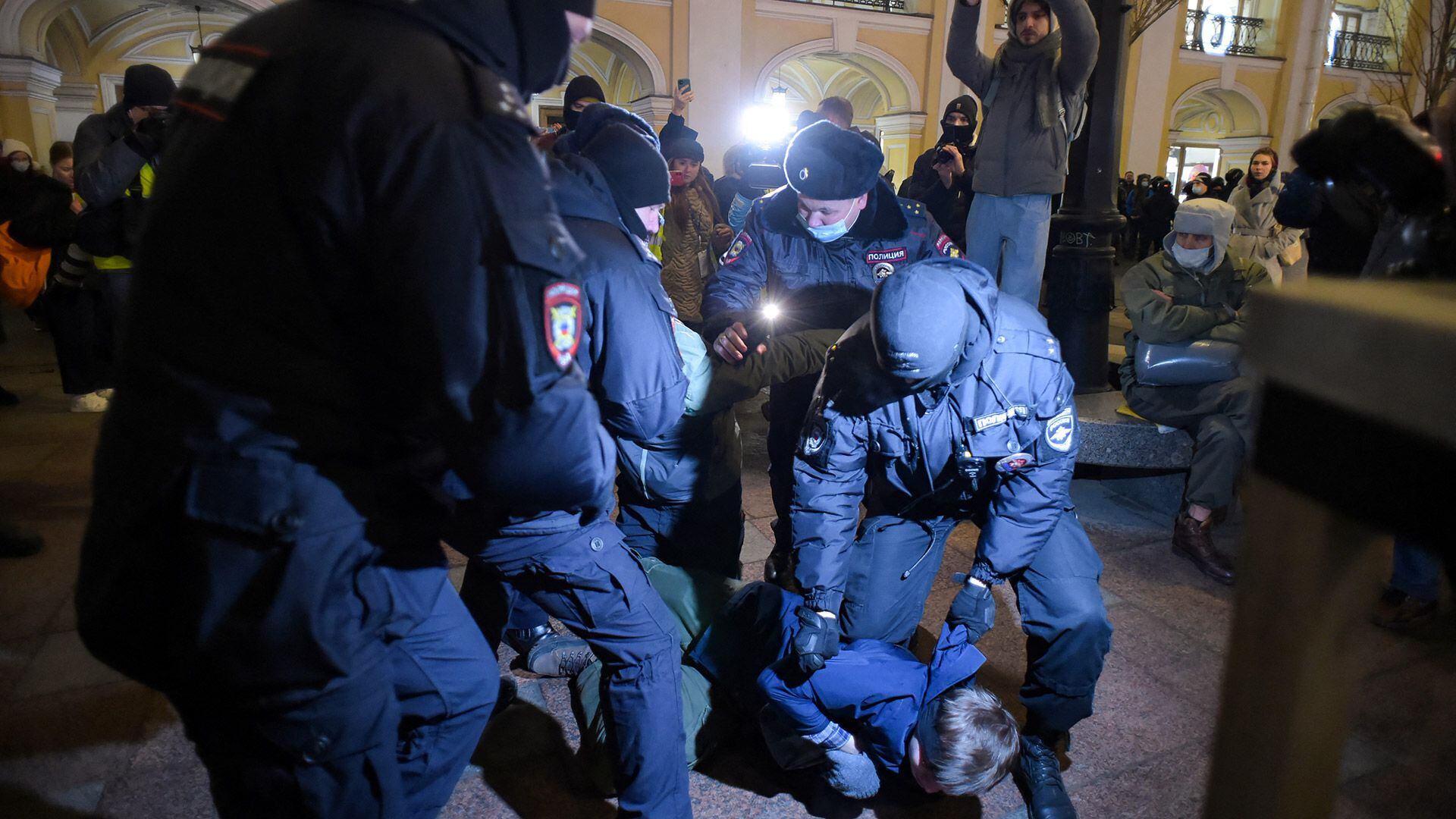
Long before Vladimir Putin's invasion of Ukraine and the mass arrests of Russian peace protesters, the Kremlin was already suppressing dissent, with a stifling bureaucracy.
Throughout 2021, the Kremlin increased persecution against its opponents, including supporters of imprisoned opposition leader Alexei Navalny, using a combination of arrests, internet censorship and blacklists. The repression accelerated after Russia invaded Ukraine. Now, an analysis of data from the Reuters agency and interviews with dozens of people show the success of these tactics in the erosion of civil liberties.
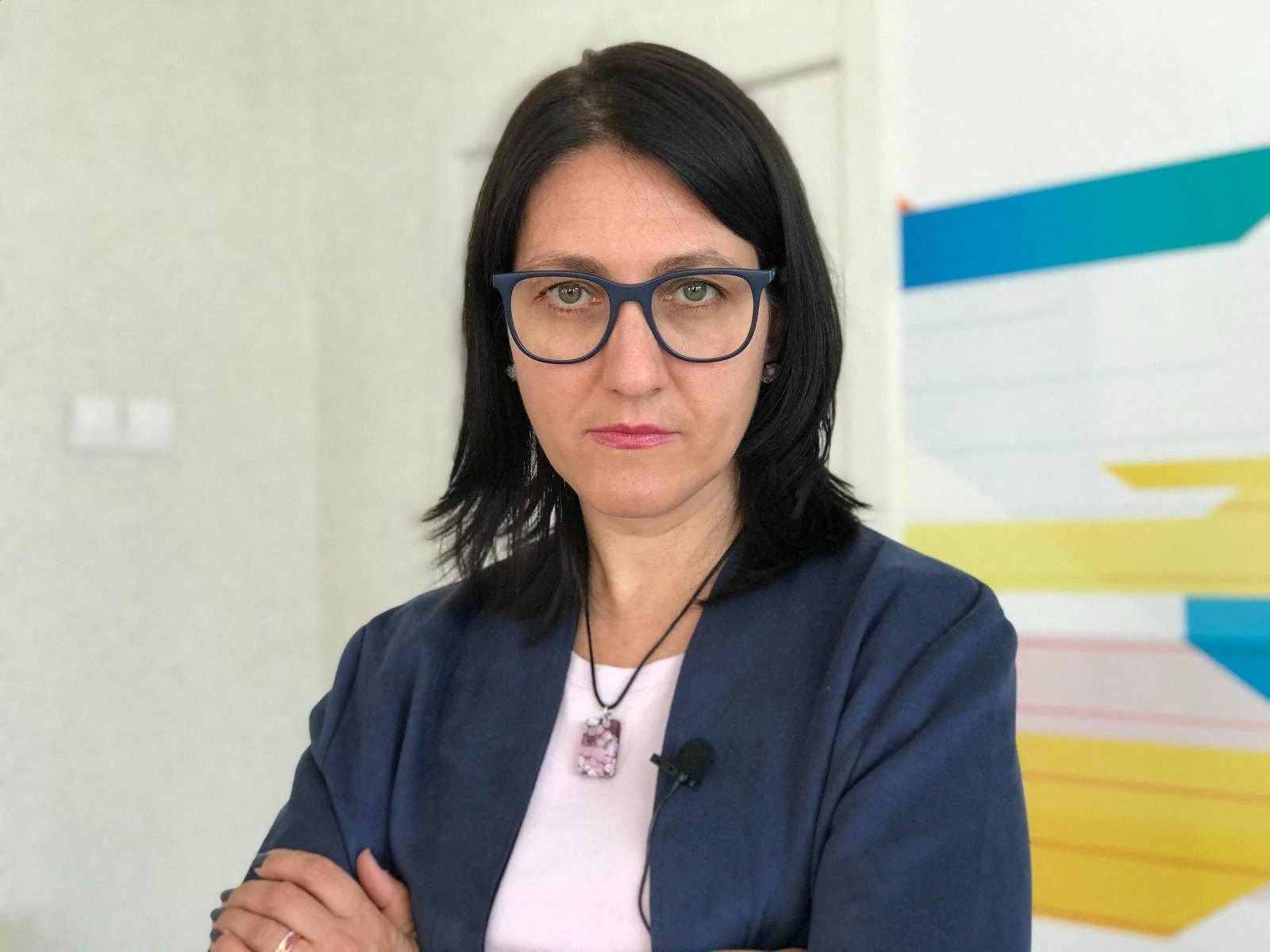
A widely used weapon in the Kremlin arsenal is the state register of “foreign agents”. People whose names appear on this official list are closely monitored by the authorities. Among them is Galina Arapova, a lawyer who runs the non-profit Media Defense Center, which advocates for freedom of expression and is based in Voronezh, western Russia.
The Ministry of Justice declared Arapova, 49, a “foreign agent” on October 8. They didn't tell him why. The ministry did not comment on this article.
The appointment generates close government scrutiny of Arapova's daily life and a mountain of red tape. You must submit a quarterly report to the Ministry of Justice detailing your income and expenses, including trips to the supermarket. The report is 44 pages long. One such report was reviewed by Reuters.
Every six months, “foreign agents” must submit an account to the ministry of how they spend their time. Some retired people list their household chores. Arapova states in her story simply that she works as a lawyer, not knowing if she is providing enough details.
She offers legal advice to other “foreign agents”, but says she often doesn't know what the rules demand. “We don't fully understand what exactly they want us to do because the law is so vague,” he told Reuters. “They don't explain anything. Do we have to list all utility costs and supermarket receipts or just overhead expenses for three months?”
She prints and then mails the report to the ministry, the pages neatly stapled. If a page is missing or the report is late, you could be fined. Repeated infringements can result in prosecution and up to two years in prison.
Reuters sent questions to the Kremlin, the Ministry of Justice and other Russian agencies about the rules imposed on “foreign agents”. None provided any comments.
The bureaucracy doesn't end there.
Persons considered as “foreign agents” must form a legal entity, such as a Limited Liability Company. The latter also joins the list of “foreign agents” and must report their activities to the authorities. The process involves finding premises to register a legal entity, drawing up stamps and electronic signatures, submitting documents to the tax service and opening a company bank account. The company has to undergo annual audits but, as Arapova explains, auditors don't like to accept clients with “foreign agent” status, and those who do tend to charge a lot.
He estimates that meeting the requirements so far has cost him about 1,000 euros. Accounting fees will be added to that amount when your LLC undergoes an audit. Even more costly is the endless time spent meeting the requirements.
“It takes time out of my work and causes a lot of psychological stress,” he said. “When you are forced to do this kind of bureaucratic and humiliating nonsense, it's a kind of psychological torture.”
And that, some analysts say, is the goal of the Kremlin. These records, said Ben Noble, an associate professor of Russian politics at University College London, are “part of a larger project, which involves taking action against people who publicly criticize the government and also trying to have a broader deterrent effect to stop people from even thinking about getting involved with the government. opposition or critical and independent journalism in the first place, for fear that, in essence, they will be accused by the authorities of traitors”.
“The repression we are seeing now,” since the war broke out, “is a spectacular escalation of trends that have already been evident in recent years,” Noble said.
Reuters contacted all 76 individuals on the list of “foreign agents”, compiled by the Ministry of Justice and published on its website. Sixty-five answered a series of questions about how the designation affected them, creating a unique dataset. These people include journalists, retirees, activists and artists. They are all critics of the Kremlin.
The respondents, all Russian citizens, refused to work for a foreign power. The majority said that they had not received any explanation for their inclusion in the list. Several lost their jobs or were forced to change jobs. Others said they left Russia because they didn't feel safe. Dozens said they reduced their social media activity because everything they post, even personal posts on social media, must contain a 24-word disclaimer identifying them as a “foreign agent.” Since the invasion of Ukraine, at least five people on the register said they have been briefly detained for their participation in anti-war protests or while reporting related to the war. At least one other arrest was reported locally.
Many critics accuse Putin of bringing back Soviet-era repression. The Kremlin says it is enforcing laws to thwart extremism and protect the country from what it describes as an evil foreign influence. When it comes to Ukraine, Putin says he is conducting a “special operation” that is not designed to occupy territory but to destroy the military capabilities of its southern neighbor, “denazify” it and prevent genocide against Russian-speakers, especially in eastern Ukraine. Ukraine and its Western allies call that a baseless pretext for a war to conquer a country of 44 million people.
The law on “foreign agents” was introduced in 2012 and was aimed at politically active non-governmental organizations receiving funding from abroad. Political activity can encompass legal and human rights work and journalism, Arapova said. The law has evolved to cover an increasing number of groups and individuals. In 2017, the Russian Ministry of Justice began designating the media as “foreign agents”. In December 2020, authorities used the designation in a new way: they labeled people as “foreign agents” for the first time.
Veronika Katkova, a 66-year-old retiree who observes the elections of the electoral rights organization Golos in the Russian region of Oryol, south of Moscow, was added to the list at the end of September 2021. That was shortly after the parliamentary elections that the opposition said they were stacked in favor of Putin's United Russia party. Golos alleged that there were widespread violations of votes, which the Kremlin denied. Katkova believes she was labeled a “foreign agent” because of her relationship with Golos. The Russian authorities did not respond to questions on the matter.
As a “foreign agent”, he reports all his expenses to the Ministry of Justice on a quarterly basis, including food, medicine and transportation, and every six months he reports his activities, such as cleaning his house and cooking. In January, he forgot to add to a social media post the necessary disclaimer indicating his appointment as a foreign agent. The state communications regulator opened a case against him, which could lead to a fine.
Lyudmila Savitskaya, a freelance journalist from Russia's Pskov region bordering the Baltic states and one of the first people to be added to the list in December 2020, said the appointment left her no privacy. “The State knows everything I do, what my bank accounts and expenses are like, where I go and what medicines I buy.”
Thirty people on the list told Reuters that they left Russia.
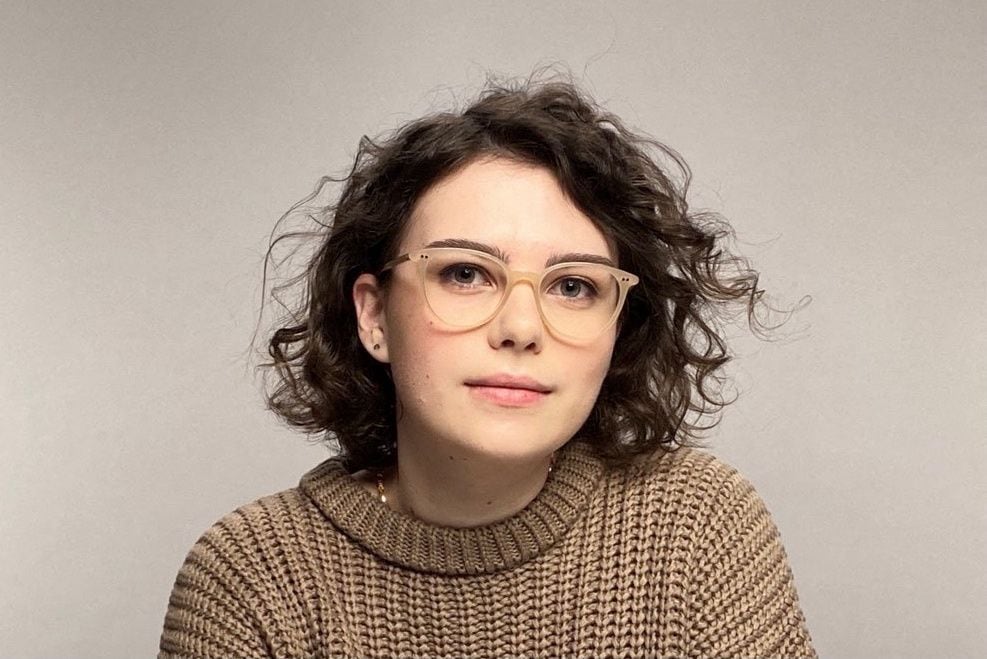
The 25-year-old journalist Yulia Lukyanova is one of them. He now lives in the Georgian capital, Tbilisi, where many other Russian dissidents are settling. Russians can stay in Georgia, a former Soviet state on Russia's southern flank, for up to a year without a visa. However, some Georgians are annoyed by their presence, with still fresh memories of the Russian invasion of the country in 2008. Lukyanova shared a photo of an anti-Russian sticker that she said appeared on her street. It shows a matryoshka doll with sharp teeth. She said that a friend had trouble finding an apartment because some people don't want to rent to Russians, even Russians who criticize Putin. She believes that Georgians fear that if their country hosts Russian dissidents, it could become a target of the Kremlin. “It must be difficult for Georgians and I'm sorry,” he said.
Lukyanova is opposed to Russia's war in Ukraine. “I don't want people to be sent to fight a war they didn't vote for, to be jailed for protesting against it or reporting on it as journalists.”
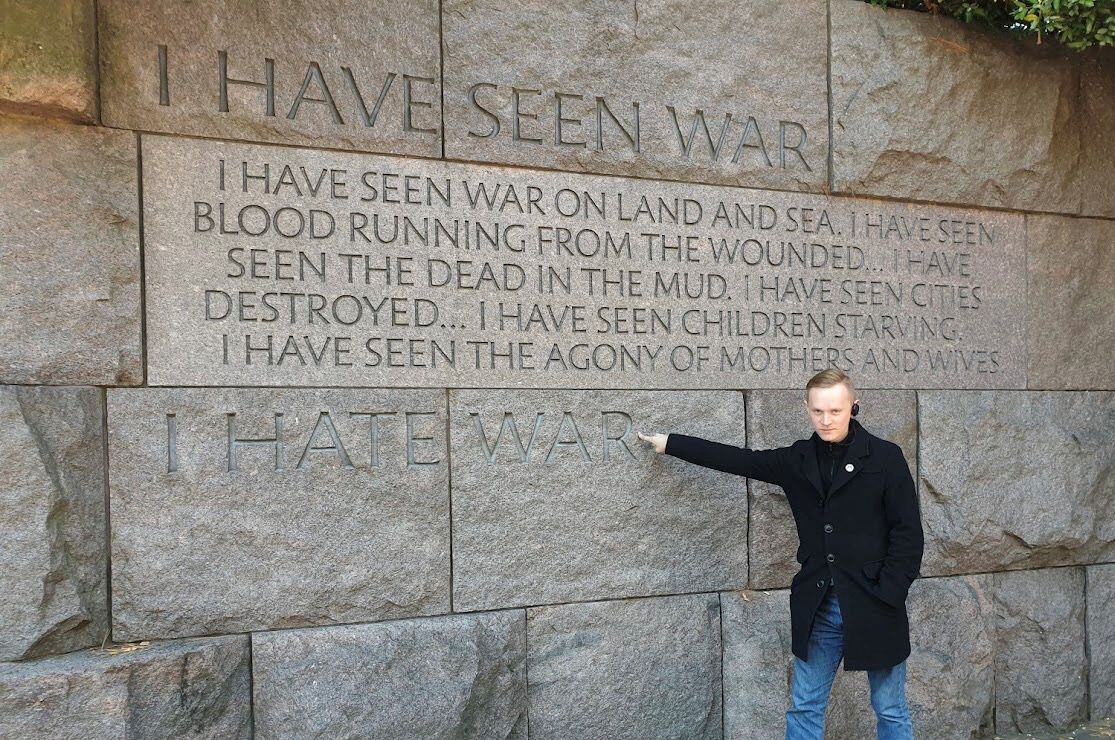
Elizaveta Surnacheva, 35, a journalist from Moscow, moved to Kiev in March 2020, then to Tbilisi and finally to Riga. Her Ukrainian husband, who is of fighting age, stayed in Ukraine.
“It's very scary,” Surnacheva said. “Even in my worst nightmare, I couldn't imagine that I would be arguing with my husband which blanket would best protect him from the fragments of the mirror in the bathroom if he took refuge there in an explosion. My dream now is to return to a free Ukraine and help rebuild Kiev and our life there.”
He continued to add the foreign agent disclaimer to his social media posts even after he left Russia because he wanted to be able to go home to visit his parents. But that changed on February 24, when Russian troops entered Ukraine and Putin's repression against his internal opponents intensified. Now Surnacheva and at least 20 “foreign agents” interviewed by Reuters say they are afraid to return to Russia for fear of arrest or harassment. “I made the decision that I will no longer follow any of these 'foreign agent' rules,” he said. “I am clear that I will not go to Russia in the next few years.”
Others have faced consequences after authorities accused them of not complying with the requirements of the foreign agents law. At least nine people on the list said they have been fined or had cases opened that could result in fines. The financial penalty may amount to 300,000 rubles ($3,600), depending on the legislation.
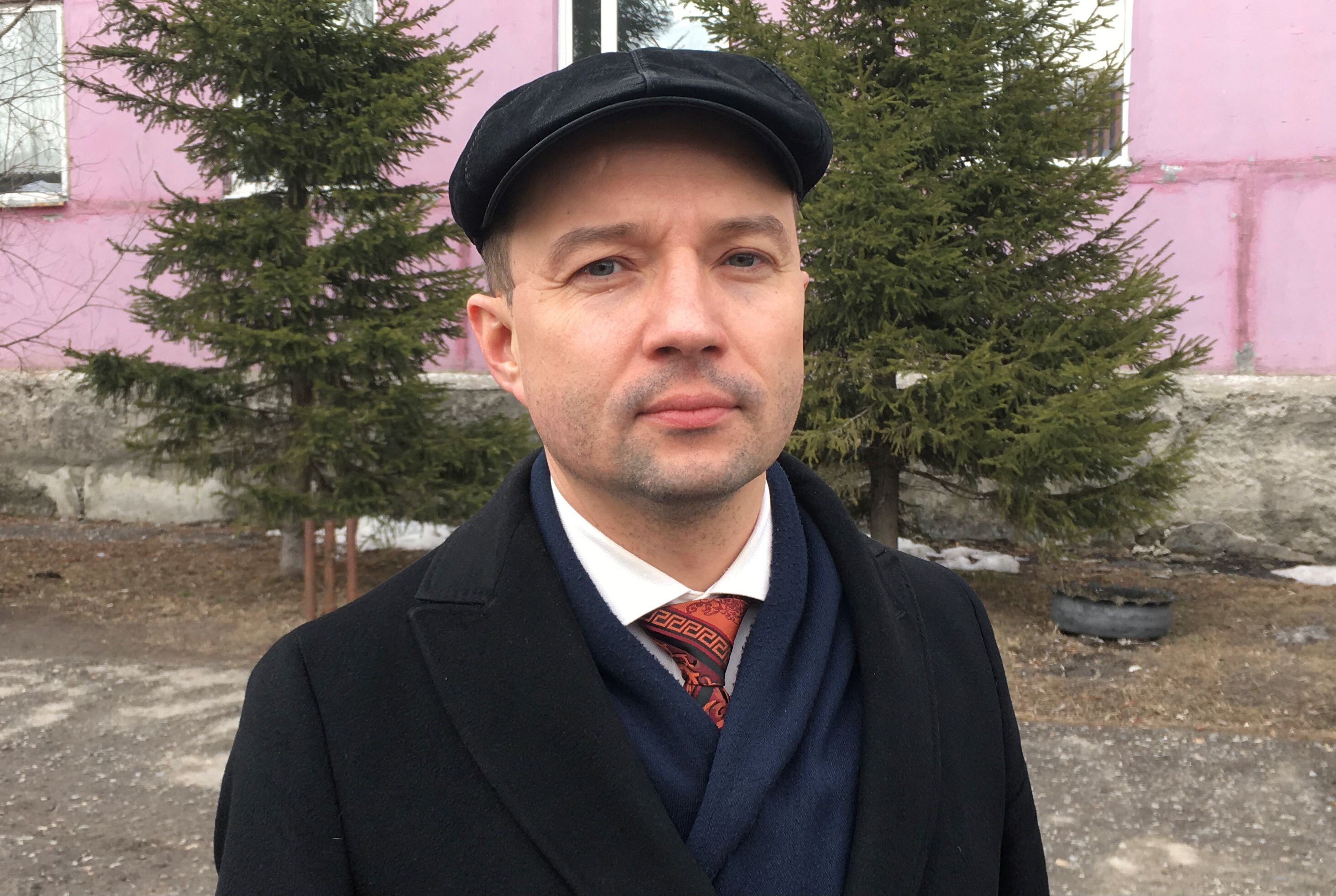
Vladimir Zylinski, 37, is a programmer who also acts as a regional election observer for the election rights organization Golos. On 14 September, days before the parliamentary elections, he filed a complaint with the electoral commission of the northwestern region of Pskov because he was setting up a mobile polling station in a wealthy suburb that houses many local officials. This was against electoral rules, he said. Mobile stations are intended for areas with poor transport connections, he wrote in his complaint, which was seen by Reuters. “An excellent road” leads to the rich suburb, he wrote, “and local residents... have cars.”
Zylinski said authorities subsequently opened a case against him, which could lead to a fine, for omitting the 24-word “foreign agent” disclaimer from his complaint, although Zylinski was not added to the list of “foreign agents” until 29 September, more than two weeks later.
Twenty-two people were declared “foreign agents” on that date, a record number. Twenty of them were members of Golos. Golos herself, which documented thousands of alleged electoral violations last year, was labeled a “foreign agent” in August.
Zylinski has lived with his family in Tbilisi since the beginning of this year. He no longer cares about the case against him. He says he is more concerned about how the war is affecting Ukrainians and people who have fled Russia. He is helping a woman he knows from Ukraine to collect aid for Ukrainian doctors and is volunteering at collection points for aid shipments to Ukraine. He also advises refugees who have come to Georgia or are on their way. He says that some in Russia would consider what he is doing as “betrayal of the homeland.”
Like many others, Arapova, the media lawyer, challenged her inclusion in the register of “foreign agents”. At a court hearing in February, he learned that one of the reasons for his appointment was that he received foreign funding: a payment of $400 for speaking at a press conference in Moldova on data protection in Europe.
She believes she has been classified as a “foreign agent” for her work in promoting freedom of expression and defending journalists whose production is critical of the Russian government.
Lukyanova, the journalist, received a similar explanation in her appeal. He used to work for Proekt, a Russian investigative news outlet, whose publishing house Project Media was registered in the United States. That meant he received a foreign salary.
In 2021, the Ministry of Justice declared Project Media an “undesirable” organization, forcing it to end its operations in Russia. The registration of “undesirable” organizations began with four names in 2015; it now contains 53. People who work for “undesirable” organizations, donate to them or share their material on social media are at risk of prosecution. It becomes virtually impossible for these organizations to function. Since the invasion of Ukraine, the ministry has added three names to the register: a movement registered in Ukraine that advocates for the rights of the people of the Russian Volga region and two investigative media outlets.
People who questioned their inclusion in the list of “foreign agents” were also given other reasons, such as republishing content from other “foreign agents” and transferring money from foreign bank accounts to their Russian accounts.
So far, no one has managed to get their name removed from the registry.
In the early morning of February 15, 2019, armed police and intelligence agents broke into Timofey Zhukov's home in Surgut, an oil town in western Siberia. They threw him to the ground and then began to search his belongings, he said. It was one of at least 20 raids in Surgut that day, Zhukov told Reuters. He said that all those attacked were Jehovah's Witnesses, an organization that had been banned in Russia two years earlier after Russia's Supreme Court declared it an extremist. The Russian authorities argued that the organization promotes its beliefs as superior to other religions.
Zhukov and his fellow believers were arrested for questioning and charged with “continuing the activities of an extremist organization”, a crime that could lead to jail.
Zhukov, who trained as a lawyer, told Reuters that he and the others have not done anything illegal. The Surgut branch of Jehovah's Witnesses was liquidated after the ban went into effect, Zhukov said, “but we still believe, regardless of whether there is a legal entity.”
Jarrod Lopes, a Jehovah's Witness spokesman, told Reuters: “If Russia's biased view of extremism were imposed on everyone, then almost all believers and non-believers would be banned in Russia, not just Jehovah's Witnesses.”
Jehovah's Witnesses say they are politically neutral. They do not lobby or vote for political candidates or run for office. They don't sing national anthems or salute the flag of any nation because they see it as an act of worship. They also refuse military service, an option that has led to the imprisonment of members of Jehovah's Witnesses in several countries.
Religious life in Russia is dominated by the Orthodox Church, which is defended by President Vladimir Putin. Some Orthodox scholars see Jehovah's Witnesses as a “totalitarian sect.”
Zhukov's case is still making its way into court. But his name is already on the register of “terrorists and extremists” and he cannot travel outside the city without permission. You only have restricted access to your bank account. If you want to withdraw more than 10,000 rubles (120 dollars) in a single month, you need to explain the reasons: “I need to pay for the apartment, kindergarten, school”.
In the past three years, Zhukov said, police and investigators threatened to imprison him and forcibly admitted him to a hospital in Yekaterinburg, 1,000 kilometers away, for a psychiatric examination. He said he spent 14 days there with patients who included violent criminals. “I passed all the tests, some with devices in my head.”
The list of “terrorists and extremists” has grown steadily. At the end of 2021, there were more than 12,200 people and groups on the register, 13% more than the previous year. Russia does not publish the dates when names are added, but Reuters compared the current list with previous versions saved on archive.org, which stores web pages.
Violent extremists such as neo-Nazi groups and the Islamic State appear on the list. At least 400 local Jehovah's Witness groups are currently designated as extremists or terrorists, according to a Reuters analysis of the Russian list.
In January, a 56-year-old Jehovah's Witness woman was sentenced to six years in a penal colony for extremism. The following month, a 64-year-old man was sentenced to six years on the same charge. Both had insisted on their innocence. Zhukov also insists that his religious beliefs do not contravene any laws.
“As a lawyer, I can very easily distinguish between a religious association and a legal entity,” he said. “I can't explain why some lawyers and judges can't see the difference. And what threat do we pose? We preach, we tell people about the kingdom of God from the Bible,” he added.
On the day Russian troops invaded Ukraine, Russia's state communications regulator Roskomnadzor issued a statement demanding that the media only use official Russian sources to cover the “special operation” in Ukraine. Otherwise, they could be blocked and face a fine of up to 5 million rubles.
The Russian authorities, who did not comment on this article, have since stepped up censorship in Russia. On March 4, legislators passed amendments criminalizing “discrediting” the Russian armed forces or calling for sanctions against Russia. Lawmakers turned the dissemination of “false” information into a crime punishable by fines or a prison sentence of up to 15 years, a move that led some international media to stop reporting in Russia.
Authorities also restricted access to Facebook and Twitter and blocked several independent media outlets and Ukrainian websites.
In response, Twitter said that people should have free and open access to the Internet, particularly in times of crisis. Nick Clegg, president of global affairs at Facebook's parent company Meta, said millions of ordinary Russians would not have access to reliable information.
Several Russian media outlets suspended their work. Ekho Moskvy, a liberal radio station, was dissolved by its board after the attorney general's office blocked its website for its coverage of the war. The Rain television channel suspended its work after its website was blocked. The newspaper Novaya Gazeta, whose editor Dmitry Muratov was one of last year's Nobel Peace Prize winners, said it would pause its work until the end of Russia's “special operation” in Ukraine.
Online censorship was already increasing before the invasion. Before the September elections last year, there were major Internet outages due to the repression of websites linked to imprisoned opposition leader Alexei Navalny and the technology used to circumvent online bans.
Around 200,000 websites were blocked in 2021, according to data from Roskomsvoboda, a group that monitors internet freedom in Russia. They included the OVD-Info website, which has documented protests against the Kremlin for years. This year, as of March 10, more than 46,000 sites have been blocked, according to Roskomsvoboda.
(With information from Reuters)
Keep reading:
Últimas Noticias
Debanhi Escobar: they secured the motel where she was found lifeless in a cistern
Members of the Specialized Prosecutor's Office in Nuevo León secured the Nueva Castilla Motel as part of the investigations into the case

The oldest person in the world died at the age of 119
Kane Tanaka lived in Japan. She was born six months earlier than George Orwell, the same year that the Wright brothers first flew, and Marie Curie became the first woman to win a Nobel Prize

Macabre find in CDMX: they left a body bagged and tied in a taxi
The body was left in the back seats of the car. It was covered with black bags and tied with industrial tape

The eagles of America will face Manchester City in a duel of legends. Here are the details
The top Mexican football champion will play a match with Pep Guardiola's squad in the Lone Star Cup

Why is it good to bring dogs out to know the world when they are puppies
A so-called protection against the spread of diseases threatens the integral development of dogs


