


When Russia's invasion of Ukraine began, just over 20 days ago, Yan Bakhmut was about to finish his year of mission at the remote outpost of Vernadsky Station in Antarctica.
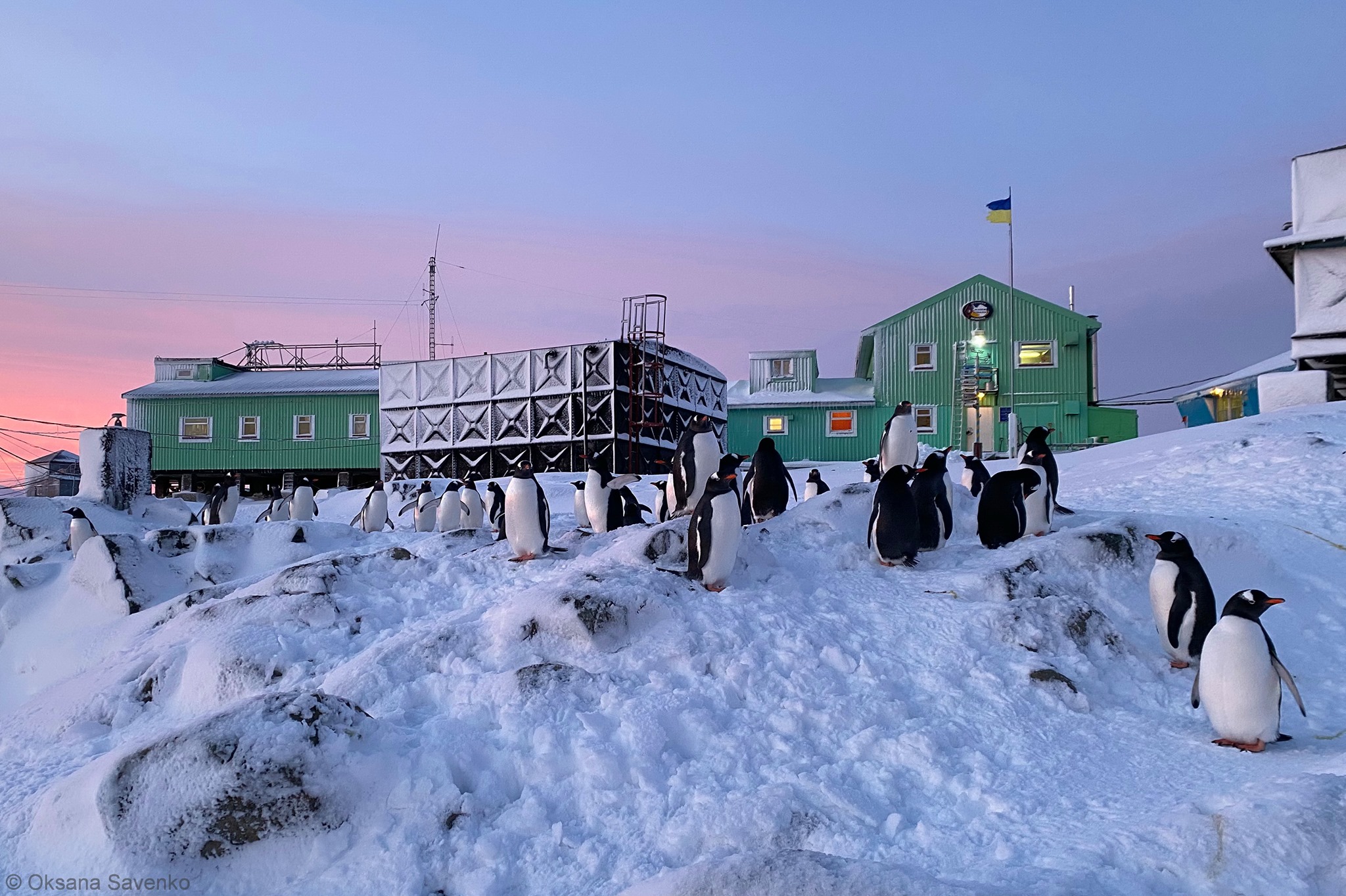
Located 15,500 kilometers away from the city of Kharkiv, where Bahamut originates from, the research station is Ukraine's only base on the frozen continent.
The scientist now faces the bitter task of returning to Europe and to a country in the midst of a war in which his hometown, the second largest in the country, was even destroyed at the mercy of Russian bombings.
Although Ukrainian forces still hold the city against the Russian advance, its infrastructure has suffered from invasive rockets and bombs, which have left dozens of civilians dead and injured and many buildings destroyed.
From a distance Yan has had to read terrifying news, and helplessly watch the advance of Russian troops. Since then, the scientist's mother and girlfriend fled to Poland, while his father and grandmother fled to the west of the country, looking for places farther away from conflict zones.
He has also received reports that professors from the institute where he worked before taking office in Antarctica have joined territorial defense units.
“It's impossible to describe, you can only experience it when you're thousands of miles away from everything and everyone you know and love, when you can't influence anything,” Bakhmut told the British media outlet The Guardian, which told his story in a report.
“You just realize that you have nowhere to return, and all you can do is become a new reality. Your life has been divided into 'before' and 'after',” he added.
He added that he could not afford to panic or show weakness. “I understand how important my logistical, financial and informational support will be.”
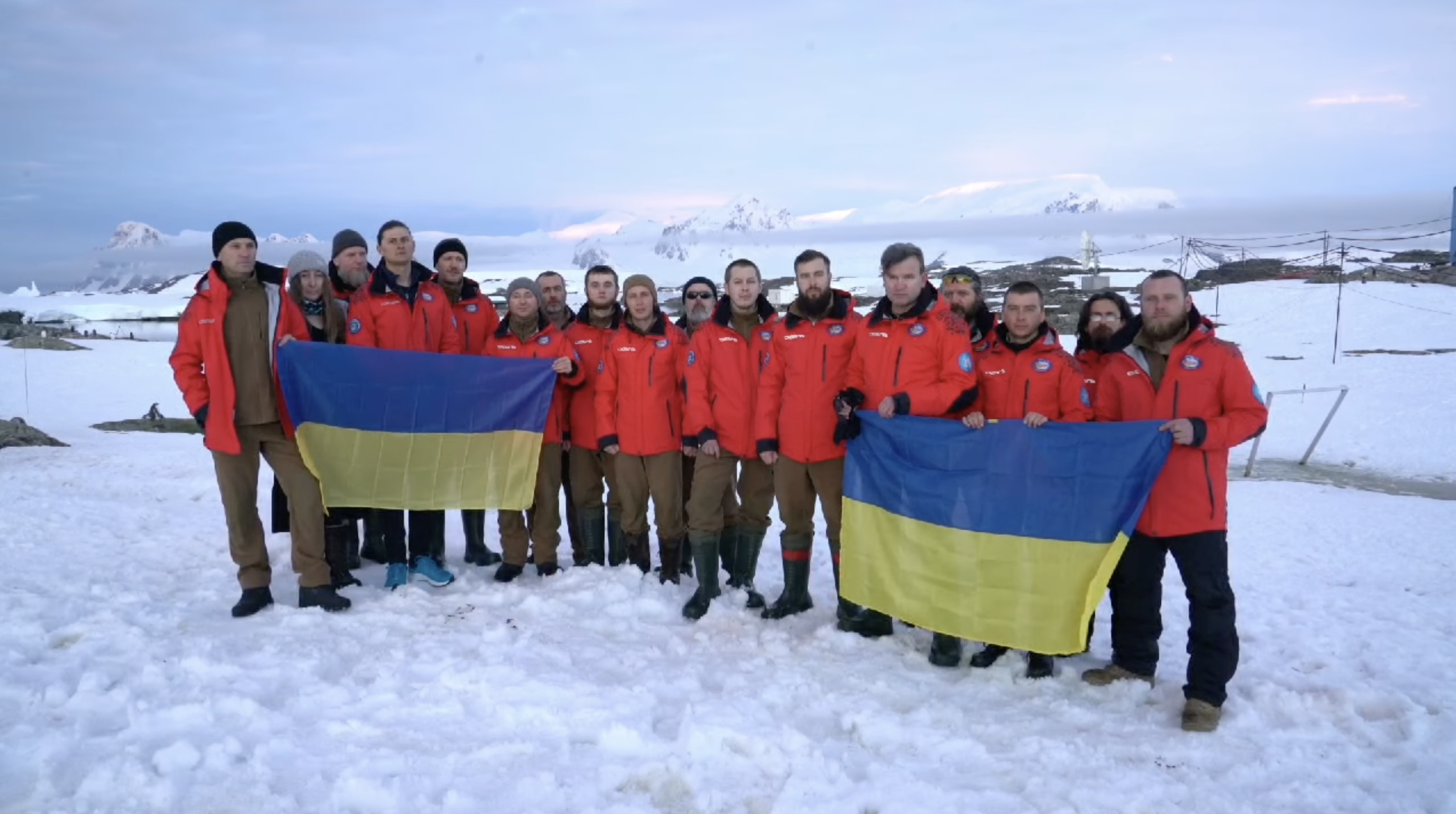
Bakhmut is one of 12 residents at Vernadsky Station, a former British research base transferred to Ukraine in 1996. Every year, a group of Ukrainian scientists and support staff arrive to conduct research at the base, which has been crucial to the study of climate change and its impact on plants and animals. As a geophysicist, Bakhmut's job is to measure the Earth's magnetic field.
On March 2, the Vernadsky station team recorded a speech for their fellow citizens.
“Our hearts are filled with pain because of what is happening in our homeland,” they said in the video. “Unfortunately, we can't join soldiers, territorial defense and volunteers now, but we're doing everything we can to help our country.”
Bakhmut and his colleagues have about three weeks left at the base. The turn will be handed over to the new group of researchers who left for Antarctica via Chile despite the war.
Bakhmut plans to fly to Poland to reunite with his family. But he's not sure what the future holds for him after that. He says that, depending on the situation, he will either join the defense forces in Ukraine or stay in Poland and continue his scientific work.
“I have the opportunity to continue with ongoing projects so that they are not completely neglected. Otherwise, it will be difficult to renew them,” he said.
Until the war began, Bakhmut posted videos detailing his life on the research station on TikTok for his more than 75,000 followers. He shared videos of stunning Southern Ocean glaciers, penguins and life at the base. Many of his subscribers were Russians. Kharkiv, located 40 km from the Russian border, has long been a predominantly Russian-speaking city and had cultural ties with its neighboring country.
After Russian airstrikes began to hit Kharkiv, Bakhmut recorded a video trying to tell the truth to his Russian audience.
“I remember that day. My mom and girlfriend were gone, but my dad and grandmother were left behind. My father sent me a message to say goodbye,” he recalled. “In distress, I shot a video that said directly: 'My city is being bombed. '”
Your message was not well received. He was attacked in the comments and eventually says that his video was blocked.
“I used to think that Kremlin propaganda had its audience somewhere remote. Now I see that the whole country is ignorant, with a few exceptions. It is a country that lives in a parallel reality, where black is white and white is black,” said the scientist.
KEEP READING:
Últimas Noticias
Debanhi Escobar: they secured the motel where she was found lifeless in a cistern
Members of the Specialized Prosecutor's Office in Nuevo León secured the Nueva Castilla Motel as part of the investigations into the case

The oldest person in the world died at the age of 119
Kane Tanaka lived in Japan. She was born six months earlier than George Orwell, the same year that the Wright brothers first flew, and Marie Curie became the first woman to win a Nobel Prize

Macabre find in CDMX: they left a body bagged and tied in a taxi
The body was left in the back seats of the car. It was covered with black bags and tied with industrial tape

The eagles of America will face Manchester City in a duel of legends. Here are the details
The top Mexican football champion will play a match with Pep Guardiola's squad in the Lone Star Cup

Why is it good to bring dogs out to know the world when they are puppies
A so-called protection against the spread of diseases threatens the integral development of dogs


