


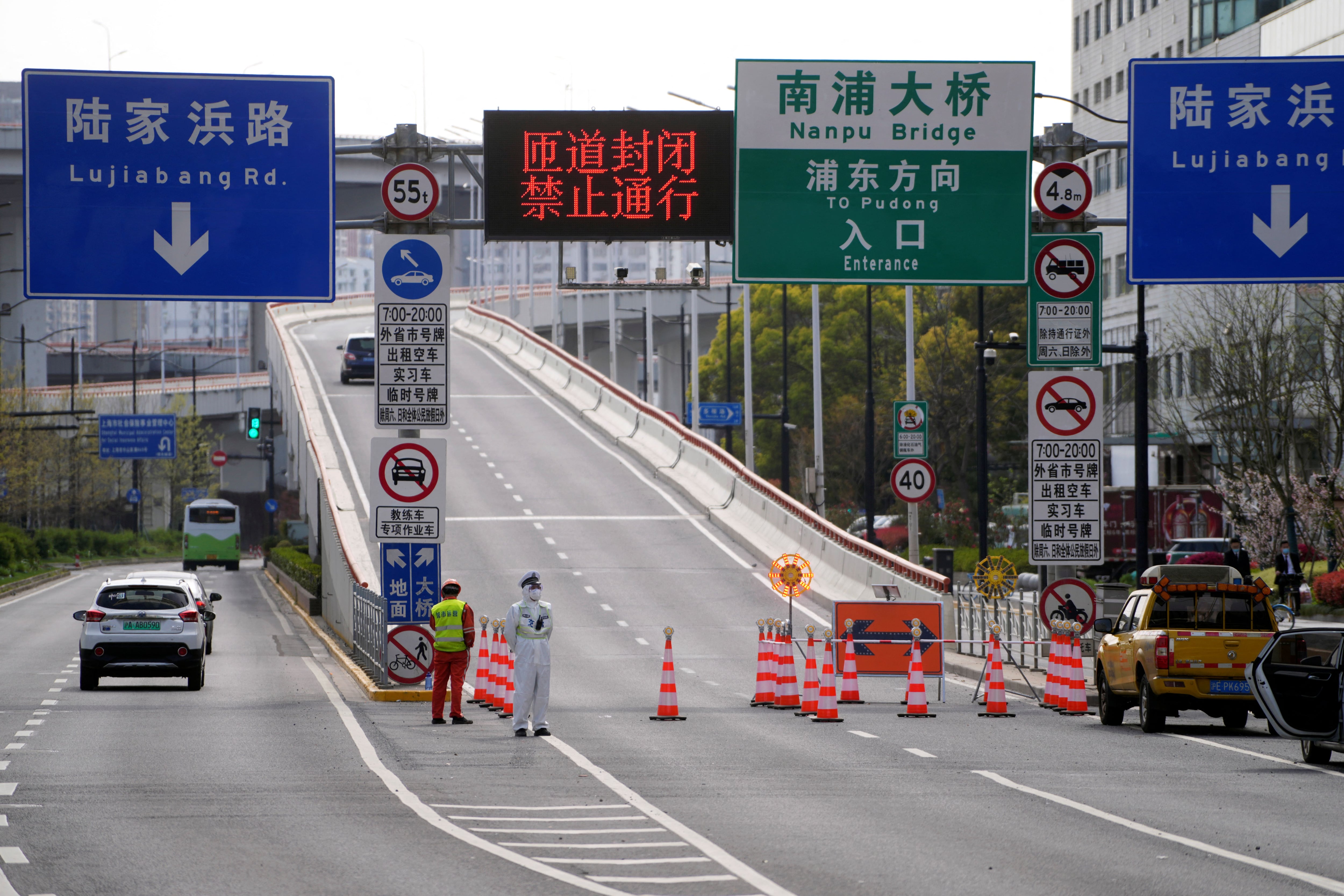
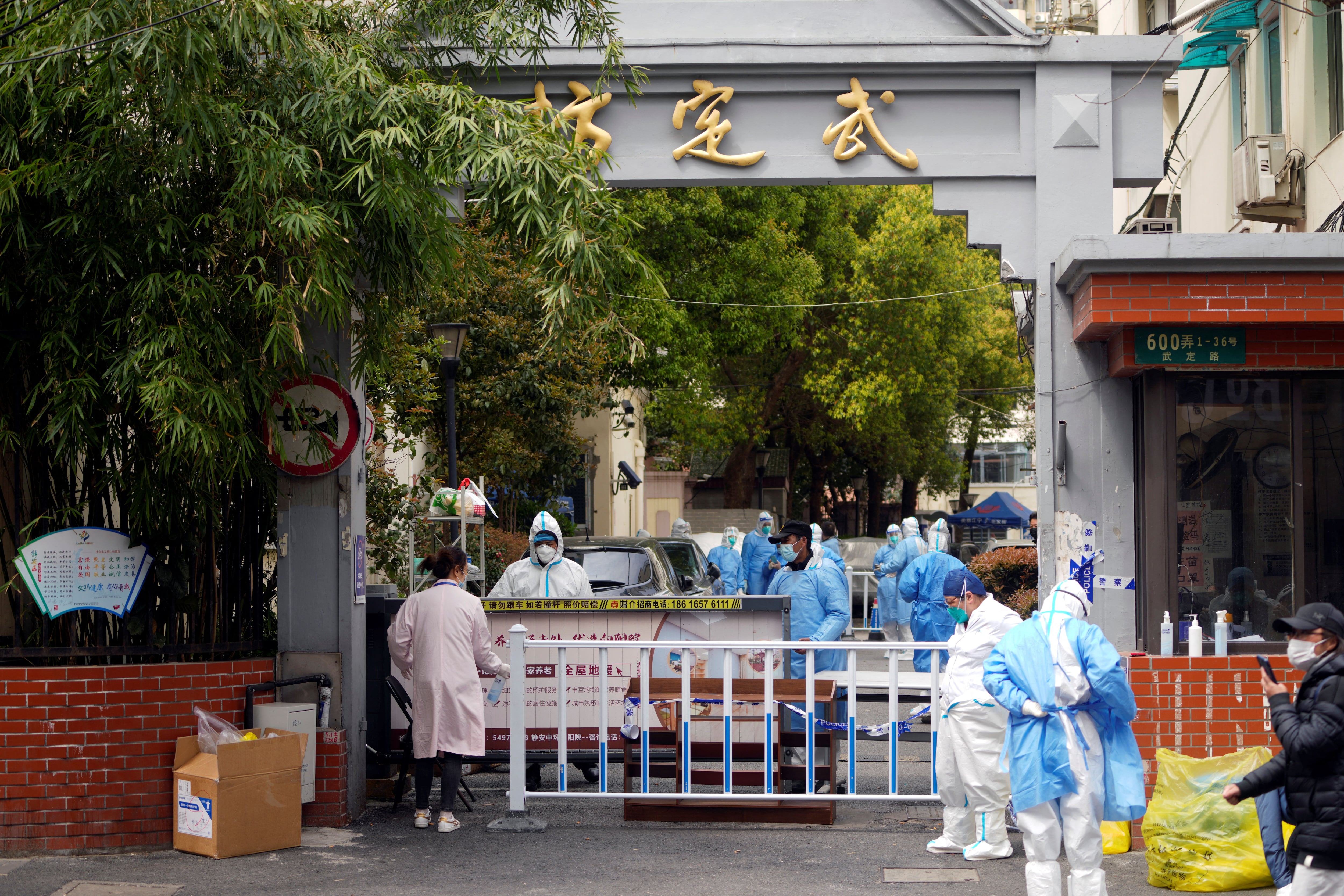
Millions of people in the eastern part of Shanghai's Chinese financial center were confined to their homes on Monday, to contain the largest outbreak of covid-19 in the country.
The authorities announced on Sunday night a two-phase confinement in the city of 25 million inhabitants to carry out mass tests.
The announcement led to market runs by residents, increasingly exasperated by the authorities' inability to contain the outbreak after three weeks of restrictive measures.
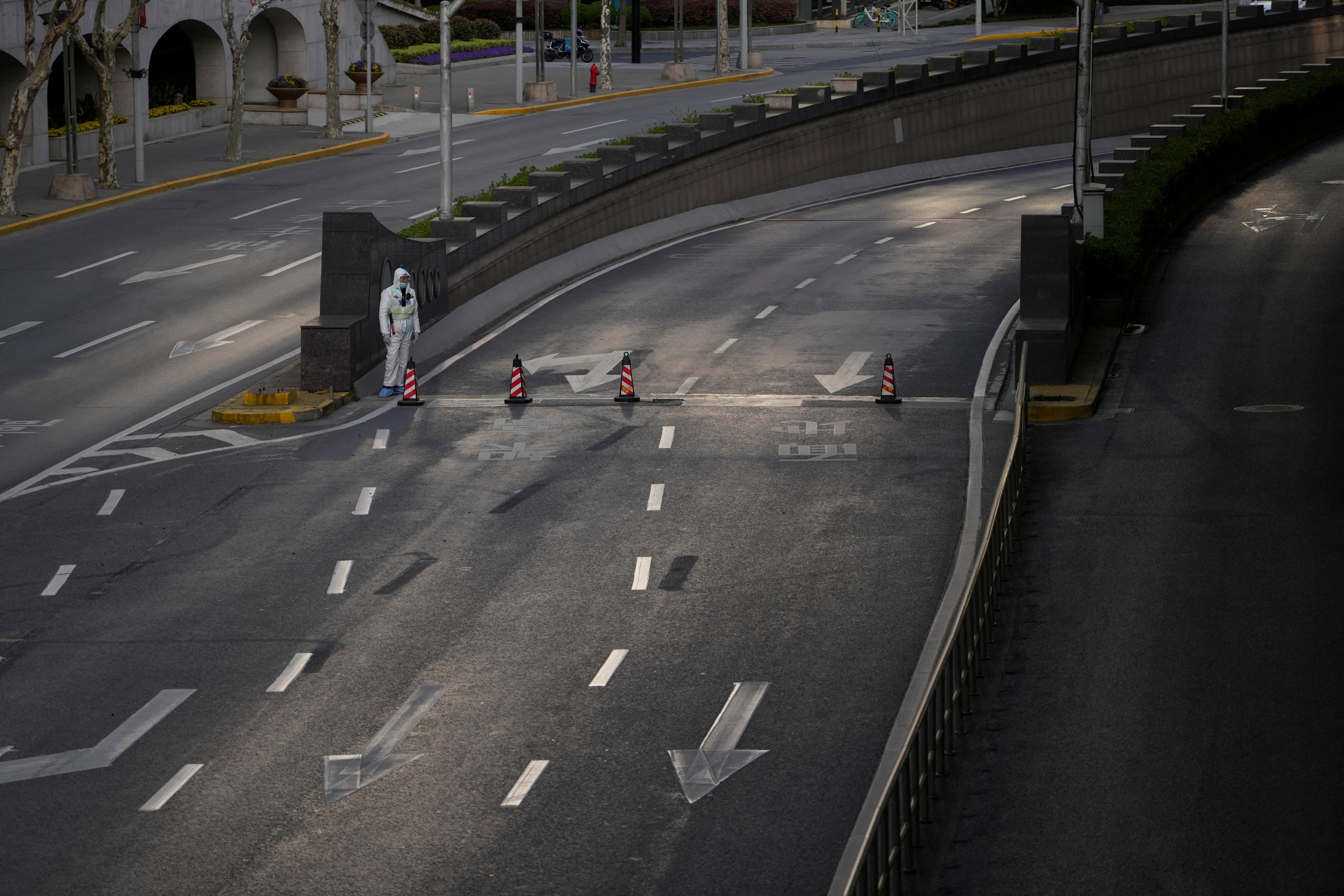
The government sought to avoid harsh closures applied in other cities in China, opting for targeted lockdowns so as not to affect Shanghai's economy.
In recent weeks, the city has become the main focus of covid-19 in China, and on Monday it recorded a new record of 3,500 new infections.
The confined area on Monday is the eastern district known as Pudong, which includes the city's main international airport and financial district.
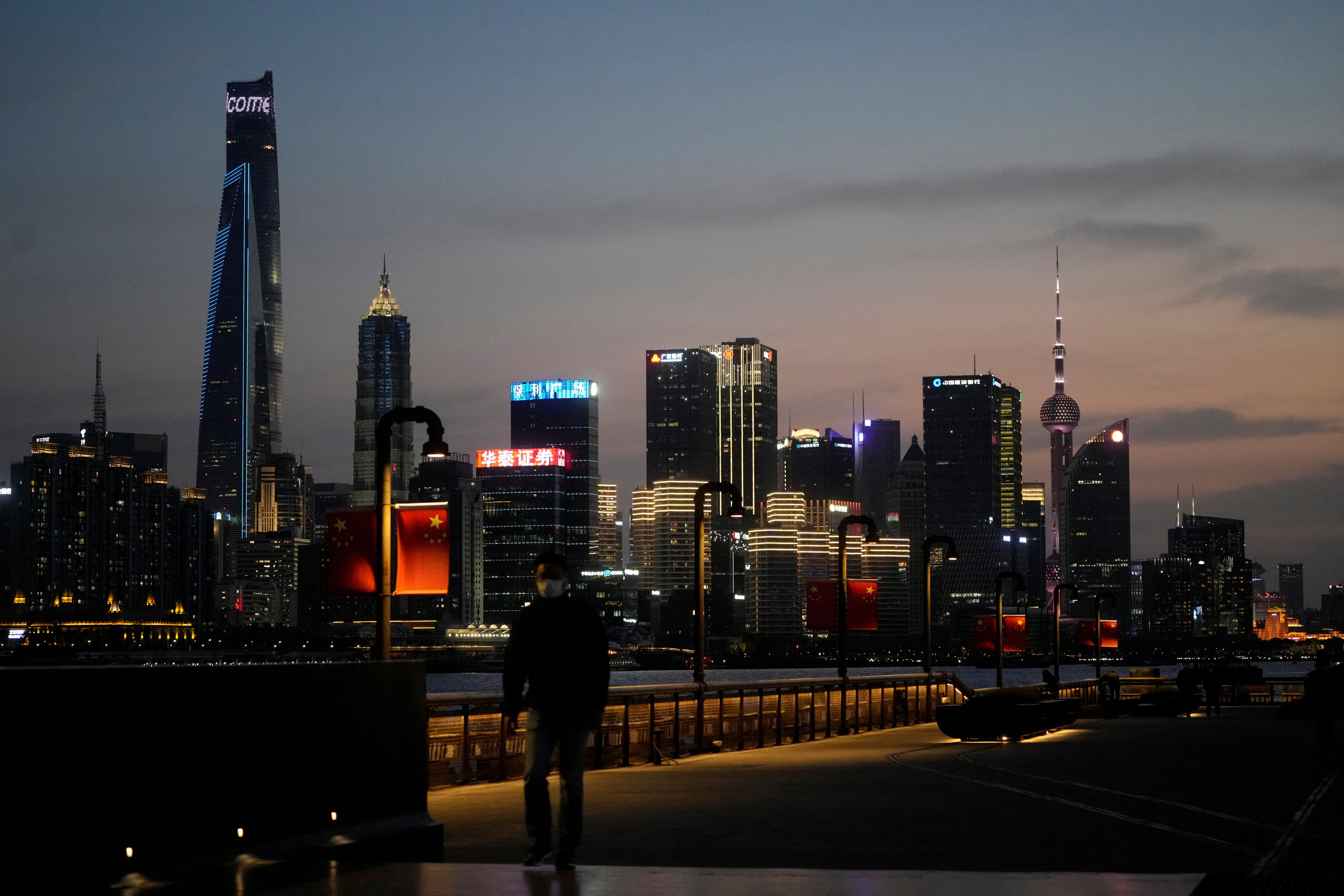
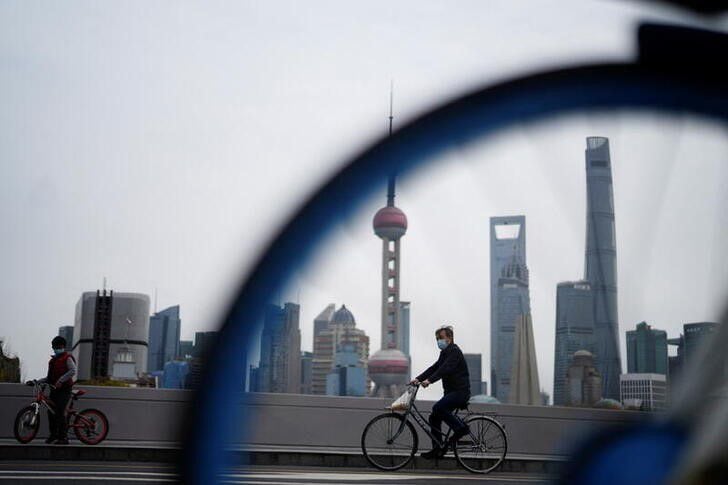
The closure will last until Friday and then apply to the more populated sector of Puxi, in the west of the city.
The Chinese government said steps have been taken “to contain the spread of the epidemic, to ensure the well-being and health of the people” and to eradicate infections “as soon as possible.”
But in recent weeks, restrictive measures were adopted in several neighborhoods, leaving many inhabitants frustrated by repeated confinements at home.
This Monday, some complained that they were only warned with a few hours of the new confinement imposed in half the city.
“We don't really understand Shanghai's management and control measures. There have been some inconsistencies,” said a man who identified himself with the surname Cao, while lining up at the supermarket.
“After so long (the city) has not controlled the virus and the numbers continue to rise,” he added.
The government has not specified how the measures will impact air transport or the city's port.
Fight for food
China has managed to keep the virus under control for the past two years with strict zero-tolerance measures that include massive lockdowns of cities even for few infections.
But the omicron variant proved difficult to eradicate and in recent weeks thousands of cases were reported daily.
The figures are insignificant globally, but they have been increasing sharply since the less than 100 daily infections detected in February.

Tens of millions of people in contagious areas across China have faced lockdowns that seem to have helped contain the spread of the coronavirus.
However, the Shanghai authorities have insisted on the importance of keeping the city's economic engine active.
Other cities made progress in controlling the virus, such as the technology center of Shenzhen, in the south, confined weeks ago by an outbreak of covid-19, and which resumed normal commercial activity on Monday after containing infections.
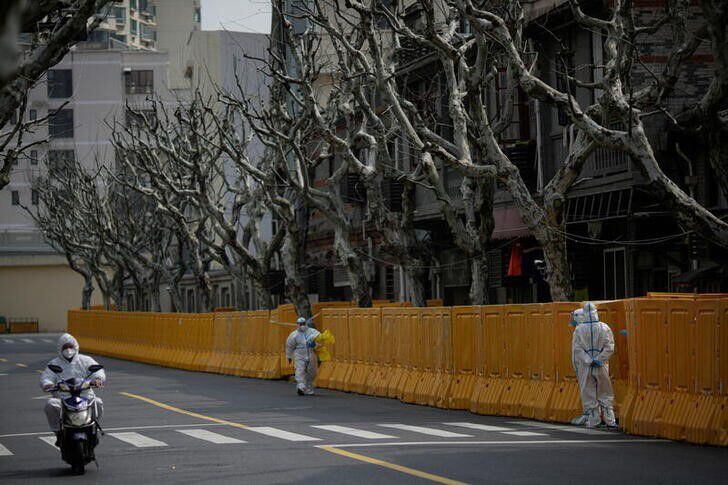
“I didn't think things would get so serious (in Shanghai),” said Guo Yunlong, a 24-year-old city dweller.
“The smallest detail of our lives, from clothing to food, lifestyle or commuting to work has been affected. I'm not optimistic, to be honest,” he added.
On social networks, some users pointed out that Shanghai's older neighbors will have problems because they don't know how to order food and other goods online.
Other users accused the Shanghai authorities of undermining health concerns to maintain normality in the city, known for its wealth and cosmopolitan image.
(With information from AFP)
Keep reading:
Últimas Noticias
Debanhi Escobar: they secured the motel where she was found lifeless in a cistern
Members of the Specialized Prosecutor's Office in Nuevo León secured the Nueva Castilla Motel as part of the investigations into the case

The oldest person in the world died at the age of 119
Kane Tanaka lived in Japan. She was born six months earlier than George Orwell, the same year that the Wright brothers first flew, and Marie Curie became the first woman to win a Nobel Prize

Macabre find in CDMX: they left a body bagged and tied in a taxi
The body was left in the back seats of the car. It was covered with black bags and tied with industrial tape

The eagles of America will face Manchester City in a duel of legends. Here are the details
The top Mexican football champion will play a match with Pep Guardiola's squad in the Lone Star Cup

Why is it good to bring dogs out to know the world when they are puppies
A so-called protection against the spread of diseases threatens the integral development of dogs


