


(Spoiler alert)
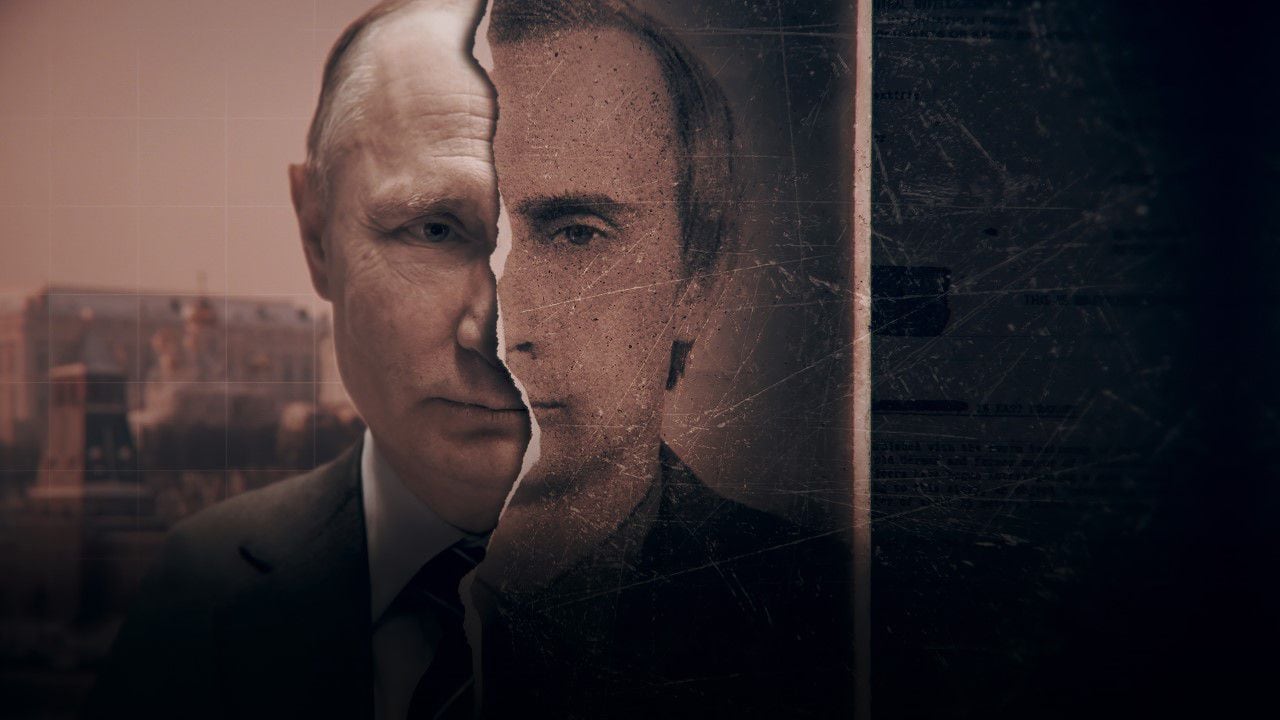
The documentary was released in 2020, when Vladimir Putin was turning 20 years in power and studying an umpteenth reform of Russian basic laws to stay in the Kremlin for many more years. However, in recent days it has once again had a peak in popularity (in Latin America, on Flow and YouTube; for Spanish audiences, on Movistar+) after Russia's invasion of Ukraine. It's called Putin: From Spy to President (Putin: A Russian Spy Story), it was directed by Nick Green and critics unanimously celebrated it.
With a miniseries format, this BBC (Channel 4) production tells the rise to power of today's most mercurial politician in three episodes portraying a presidency that looks like a spy thriller, which began amazingly when a stranger came to the Kremlin managed to take control and had amazing moments such as his return to office after four years as prime minister, in the midst of an unabated political storm.
The first 47-minute installment, “The Rise of Putin”, shows his humble origins in St. Petersburg, where his parents had suffered the 872 days of the Nazi siege (then the city was called Leningrad) in which more than 1.2 million people died of cold and hunger, and among them one of the older brothers - the other had lived barely months - of Putin, because of diphtheria. Since childhood, he stood out for his aggressiveness at school, and he was about to move from bullying to crime when his judo coach took him out of a gang and showed him a world that would give him the same security: that of sports.
Thus, saved by the bell, he reached the age of 16 dreaming of being Max Otto von Stierlitz or Richard Sorge, some of the most important Soviet spies of the 20th century. But at the KGB offices in his city they explained to him that they did not accept volunteers and that, if he wanted to be recruited, he had to show his talents in the army or law school.
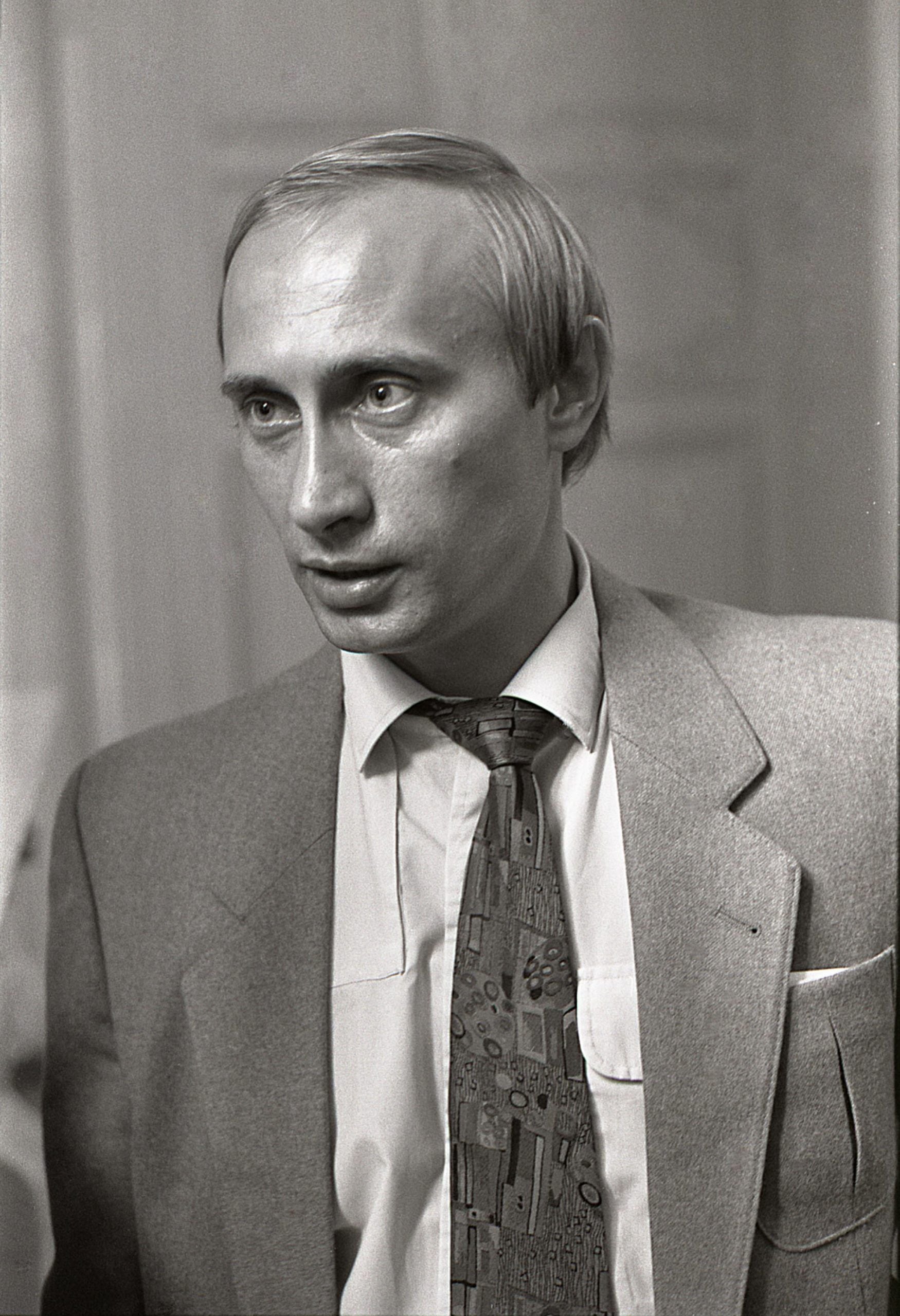
Thus he entered the University of Leningrad, where for each square there were 40 applicants. And it caught the attention of the service. It was 1975 and he was 23 years old when he joined the KGB to train as a spy.
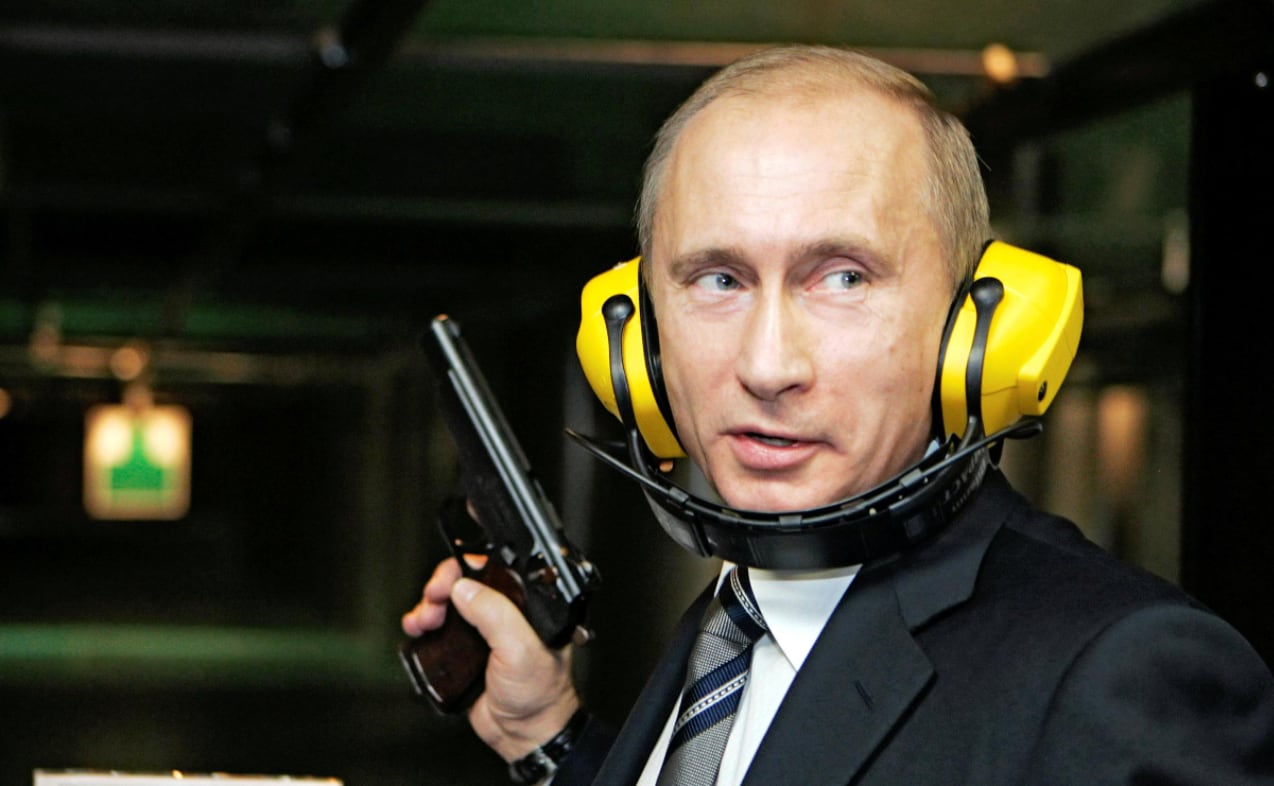
The second episode, “Enemies and Traitors”, explores his rise in Russian politics, based on a skillful perception of pride and a strong judgment on loyalty and betrayal. Different voices agree on a basic line: this troubled young man, full of anger and with few friends, who compensated for his short stature with overwhelming audacity and visible coldness, shaped his character in the KGB. “He does what he was taught to do,” says Vladimir Kara-Murza, an opponent who was poisoned by — he is convinced — people close to Putin. “Manipulate, lie, recruit, suppress. And he seems to be pretty good at that.”
During Putin's periods as president and prime minister, his detractors and enemies have tended to poisonings, as well as violent deaths. In 2006 Anna Politkovskaya, a journalist critical of Putin in the Chechen conflict, was gunned down outside her home in Moscow, and weeks later, in London, former KGB Aleksandr Litvinenko was hospitalized for poisoning with polonium 210, a radioactive material that caused his death.
His widow, Marina Litvinenko, says in the series: “We are all the product of our experience, our origins and our education. Vladimir Putin comes from the Soviet KGB, one of the most repressive organizations in human history.”
The last segment, “Putin's Politics”, explores his ambitions to perpetuate himself in power. In 2008, when the constitution did not allow him to run for a third term, he prompted Dimitri Medvedev's candidacy to become his prime minister and, obviously, to rule through his dolphin. A few years later, in 2012, he resubmitted and was again elected among accusations of fraud.
The documentary evokes the Russian proverb that says “the less you know, the better you sleep” to analyze some historical events of the period, such as Putin's role in promoting Brexit and his interference in the 2016 presidential elections that brought Donald Trump to the White House. It goes so far by showing how, after starting a new term in 2018, Putin announced reforms to the Russian constitution to be perpetuated in the Kremlin until 2036.
Throughout its 141 minutes, Green's documentary includes archival materials about Putin's life, as well as exclusive testimonies from people who knew him, political adviser Gleb Pavlovsky or former KBG Vladimir Yakunin, and opponents who suffered it. For example, Tatyana Yumasheva, the daughter of former President Boris Yeltsin, through whom Putin came to the Kremlin, speaks to a British media outlet for the first time. Experts such as journalist Bridget Kendall, BBC correspondent in Russia for key years from 1989 to 1995, or British ambassador to Moscow from 1994 to 1998, Sir Tony Brenton, provide analysis and context.
While there is no shortage of content, written or audiovisual, about Putin, this series seems to have interested the public because of its meticulous approach to an opaque biography, which analyzes motives and influences from the past of this singular politician to interpret the present, something that can be extended to his decision to invade Ukraine. Perhaps the action he failed to achieve in his experience as a spy — his years in East Germany were tedious, more bureaucratic than exciting, and ended prematurely with the fall of the Berlin Wall — is what he has sought in his five-year period in power, persuaded — as the documentary says — that “a single spy can decide the fate of thousands of people”.
The documentary stops at a central moment in Putin's life: the shock and confusion of the years that followed the collapse of the Soviet Union. Putin ran out of livelihoods — according to Emmanuel Carrère in Limonov, he drove a taxi to support his family — but he found within himself a resilience that some of his colleagues lacked, who committed suicide. A minor position in his alma mater allowed him to approach Anatoly Sobchak, mayor of St. Petersburg, and return to the arts of politics elsewhere.
He met Nikolai Tokarev (current director of Russian gas pipelines Transneft) or Matthias Warnig (former Stasi, now in charge of Nordstream) and other new rich people, the ascendant oligarchs. They maintained their power while Sobchak lost the elections in 1996: he thought then that perhaps democracy so proclaimed by Western capitalism was not the most efficient way to prevail in Russia.
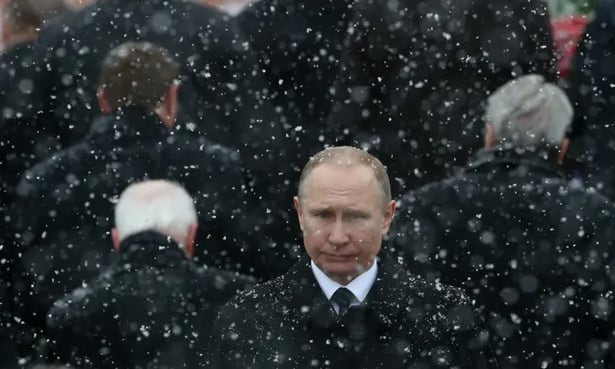
After the defeat of the mayor friend he tried his luck in Moscow, where Yeltsin appreciated his talent for obtaining sensitive information from important people and facilitating his kompromat, the use of “compromising material” to ensure loyalties. Many were shocked when he was named his successor: Russia needed a leader to give it stability, and Putin was a good FSB (the agency that replaced the KGB) but he avoided building a public image and lacked charisma.
“It was impossible to even understand,” Mikhail Fishman, the former editor of the Russian version of Newsweek, tells Green. “We didn't even know his face.” And yet.
In March 2000, when he won his first electoral victory, a team of journalists recorded the moment when Yeltsin called Putin to congratulate him. The heir, unexpectedly, declared himself busy and promised to call back. An hour and a half later, when the cameras were removed, I hadn't done so. The rest is history.
KEEP READING:
Últimas Noticias
Debanhi Escobar: they secured the motel where she was found lifeless in a cistern
Members of the Specialized Prosecutor's Office in Nuevo León secured the Nueva Castilla Motel as part of the investigations into the case

The oldest person in the world died at the age of 119
Kane Tanaka lived in Japan. She was born six months earlier than George Orwell, the same year that the Wright brothers first flew, and Marie Curie became the first woman to win a Nobel Prize

Macabre find in CDMX: they left a body bagged and tied in a taxi
The body was left in the back seats of the car. It was covered with black bags and tied with industrial tape

The eagles of America will face Manchester City in a duel of legends. Here are the details
The top Mexican football champion will play a match with Pep Guardiola's squad in the Lone Star Cup

Why is it good to bring dogs out to know the world when they are puppies
A so-called protection against the spread of diseases threatens the integral development of dogs


