


The axolotl, one of the country's most emblematic animals, is at risk. Pollution of its natural habitat, poor water quality and the introduction of alien species are just some of the factors that have led to its endangering extinction. For this reason, experts explained to Infobae Mexico the surprising characteristics of this amphibian and talked about the importance of its care and conservation.
Mexico is a territory that is distinguished by being home to a myriad of particular and wonderful species, it is not for nothing considered a megadiverse country. According to the National Commission for the Knowledge and Use of Biodiversity (CONABIO) “it is part of the select group of nations with the greatest diversity of animals and plants, with almost 70% of the world's diversity of species”.
PUBLICIDAD
One of the elements necessary for a place to be considered “megadiverse” is endemism, that is, there must be unique living beings in the areas that make it up. Mexico is home to a large number of endemic species and the axolotl is one of them.
“The axolotl is an animal that is physically impressive, those huge gills that have to be used to breathe resemble a famous plume of our ancient Mexica. To see an axolotl is to see a Mexican one hundred percent,” commented Pamela Valencia, founder of the National Museum of Axolotl “Axolotitlan”.
PUBLICIDAD
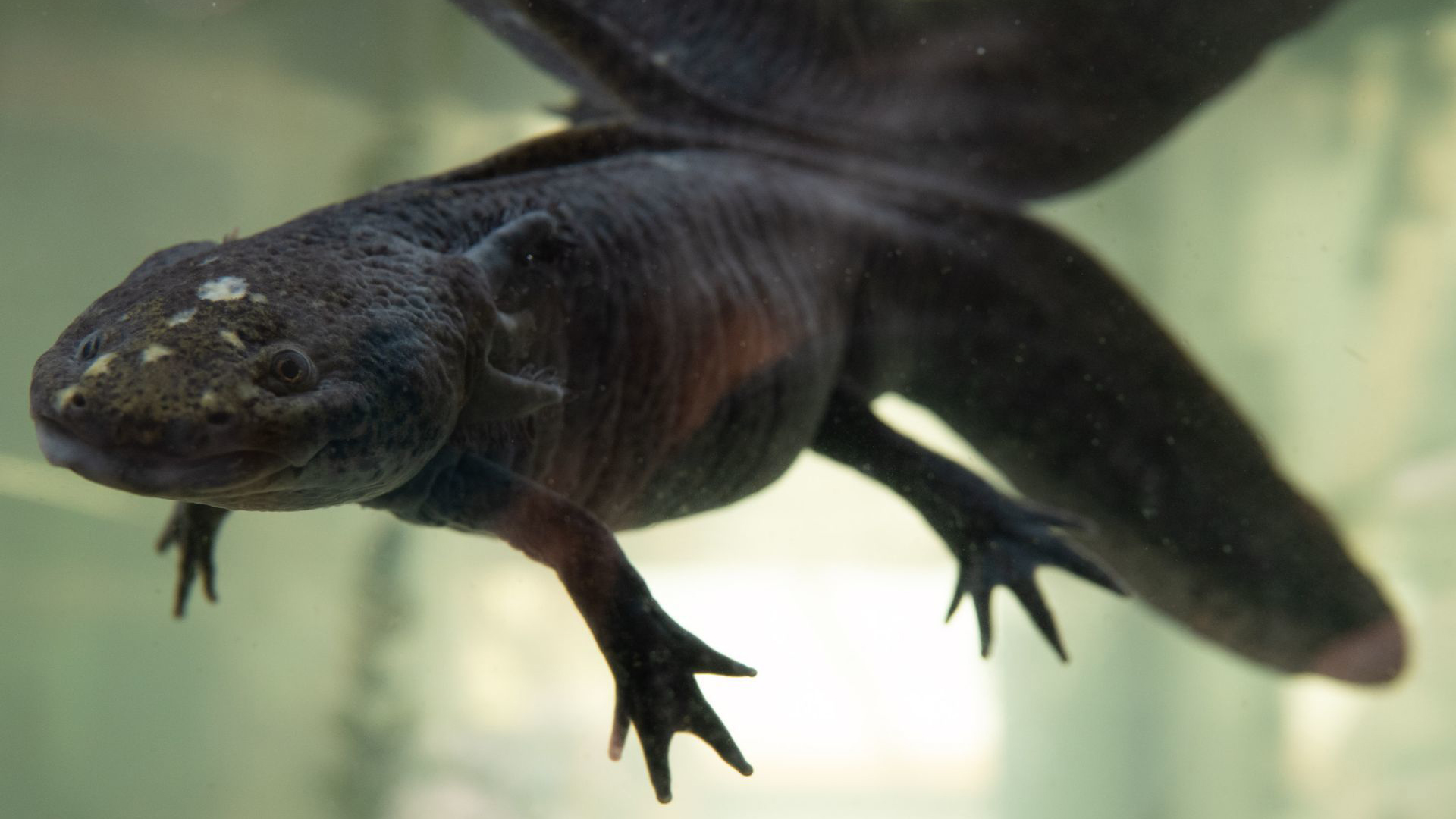
The journal CIENCIA ergo-sum (2021) explains that the animal in question belongs to the genus Ambystoma which includes 33 species that are distributed from Canada to the country. There are 18 on Mexican soil and, according to the Secretariat of Environment and Natural Resources (SEMARNAT), 15 of them are in some category of risk according to NOM-059 and all are on the Red List of the International Union for the Conservation of Nature.
PUBLICIDAD
It should be noted that, as Eduardo Pineda, senior researcher at the Institute of Ecology (INECOL), mentioned, these living beings are not the only ones who are suffering the ravages of human activities and climate change, because “this iconic species manifests the problem that many others around the world are facing, particularly amphibians. It is an example of the risks that biodiversity is facing in the face of human growth and the transformation of natural systems.”
This situation is regrettable when we consider that “amphibians are approximately 350 million years old on earth and even arrived before dinosaurs. They have gone through a series of tremendous environmental changes but in very wide geological times,” Dr. Eduardo stressed.
PUBLICIDAD
In addition, Diana Vázquez, biologist and teacher in training at UNAM added that “protecting the axolotl implies the protection of other species that are in a lower trophic range and that are important, only, perhaps, they are not so charismatic and people don't generate such a close bond. As an example is the charal or the frog Moctezuma”.
To the south of the capital is the Xochimilco mayor's office, one of the few places in Mexico City that still preserves part of some traditions dating back to the pre-Hispanic and colonial period. The chinampera technique, the cultivation of vegetables or traditional celebrations such as the Most Beautiful Flower of the Ejido are just a few examples that characterize the xochimilca identity.
PUBLICIDAD
However, part of the historical and cultural development of the town is due to the existence of the lake system, a place that, apart from adorning the landscape of the demarcation, has been a economic tool for various native families and above all, an ecosystem for a large number of species, in particular, has been the house of the axolotl.
The lake and the small canals that are in the mayor's office for a long time were home to Ambystoma mexicanum, however, poor water conditions and the invasion of new species such as carp and tilapia have been the main factors that make it increasingly difficult to find them in their natural habitats.
PUBLICIDAD
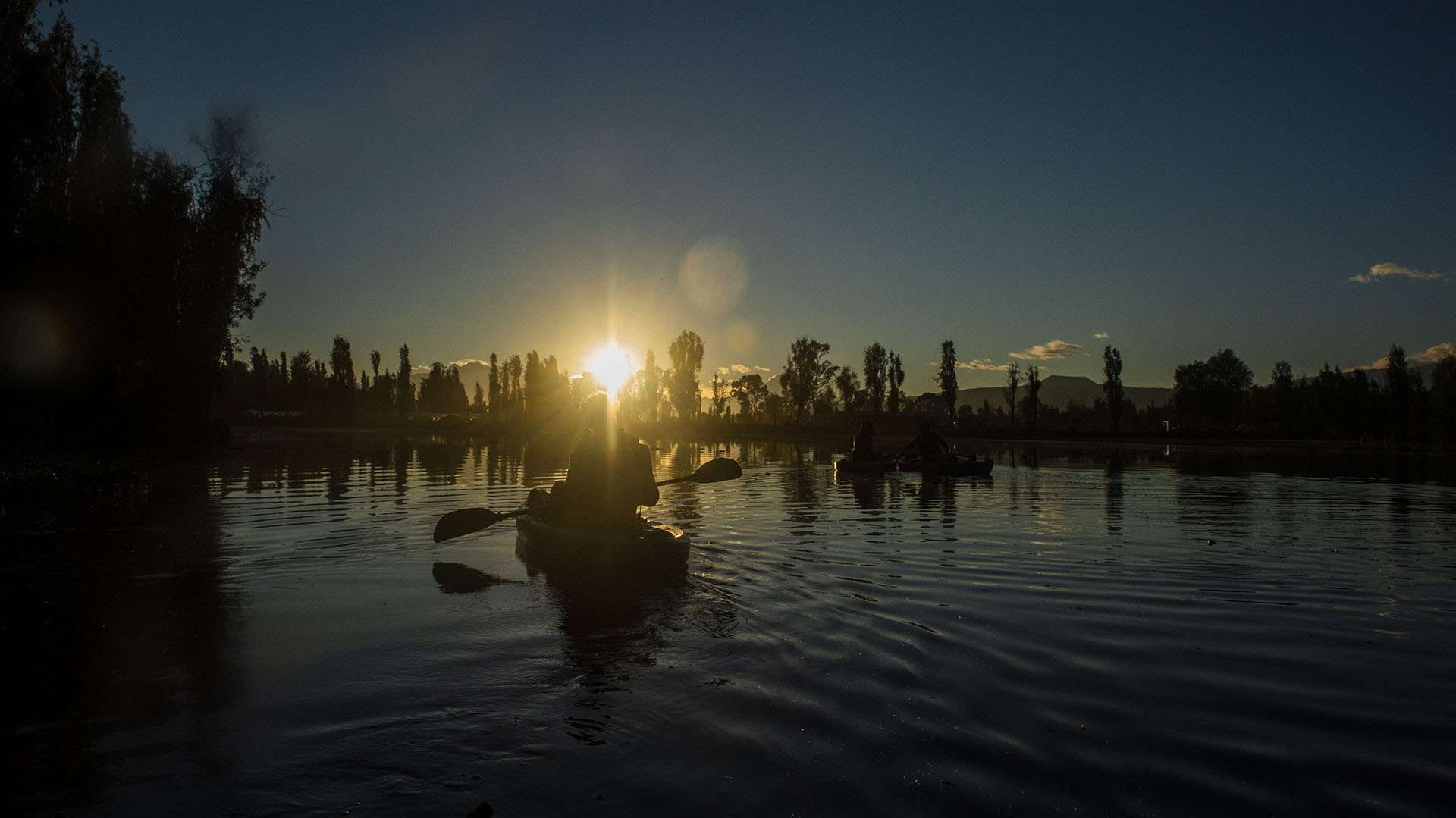
“In Xochimilco, a large amount of pollutants, pesticides, oils and wastes — including domestic ones — have been dumped, all related to human activity. Another very strong problem is the introduction of species that are much more aggressive because they feed on the same axolots, their eggs or the newly hatched ones. All these elements, in addition to a reduction in the size of the habitat, affect the survival of organisms and ultimately cause a decline in the population,” explained researcher Pineda.
PUBLICIDAD
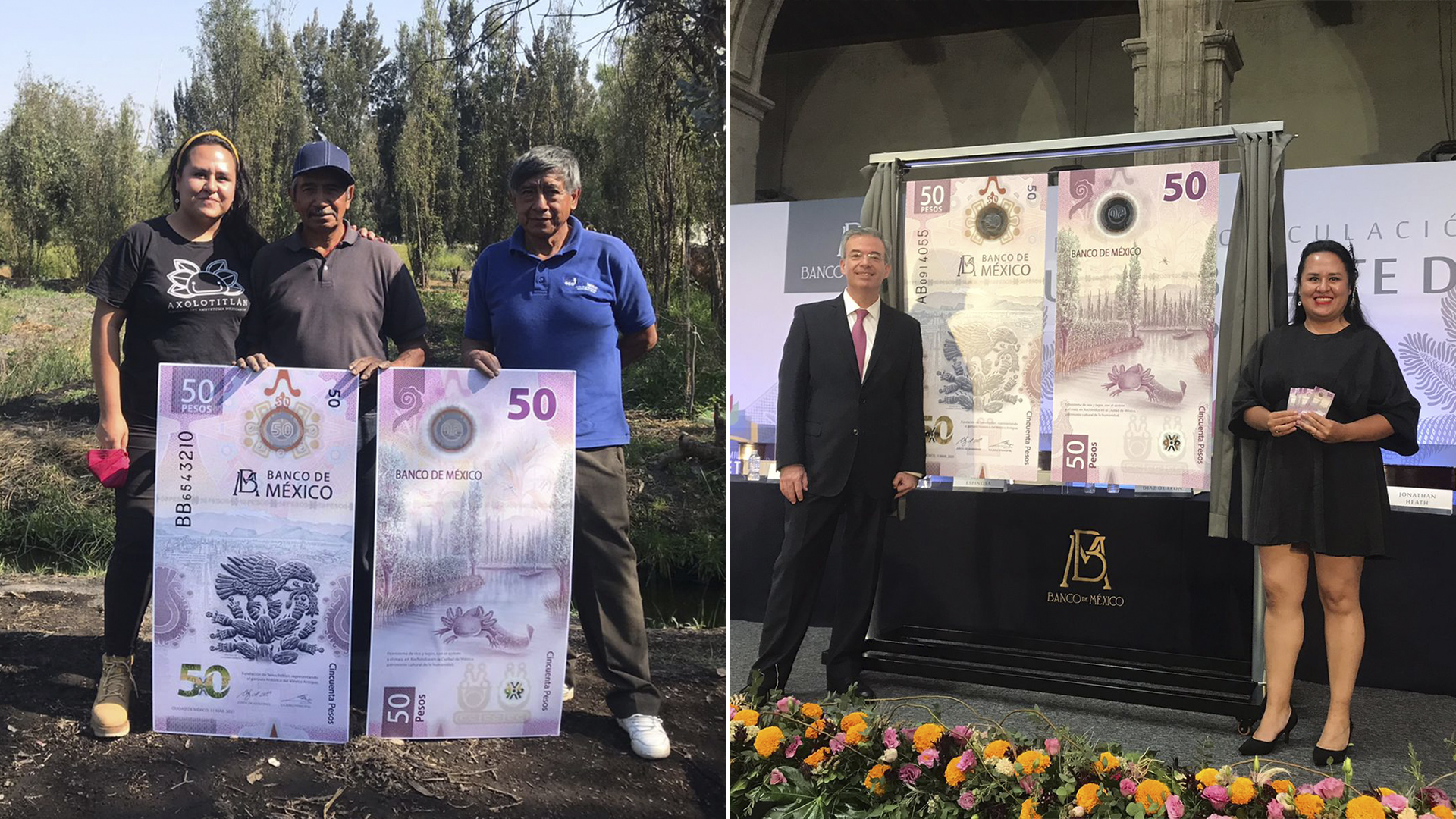
When talking about the axolotl, not only should its physical and biological characteristics be addressed, since it has also played a fundamental role in Mexican culture and identity, it is not for nothing that today illustrates the 50 Mexican pesos note ( one of the most coveted in the country). It was pre-Hispanic cultures that first tried to decipher the mysteries of this animal.
This living thing was named axolotl, a Nahuatl word that means “water monster”. The name came about thanks to the Aztec legend that when nothing existed in the world yet, the gods gathered in Teotihuacan and decided that two of them should be sacrificed to create light.
PUBLICIDAD
Tecuciztecatl and Nanahuatzin were chosen to be thrown into the fire and give rise to the birth of the Sun and later the Moon. However, in order to give them movement to the stars, the gods agreed that they should all sacrifice themselves. Most agreed, except Xolotl, Quetzalcoatl's twin.
As Xolotl refused to die, he began to flee, and so that the gods could not find him, he turned into corn and maguey, but as in both cases he was discovered, he chose to escape into the water, where it took the form of an axolotl, the last being he could become before facing sacrifice.
For this reason, the amphibian was called axolotl and since then, the figure of this animal has been present in “our culture, in literature, in painting and above all in scientific research”, added Dr. Eduardo of INECOL.
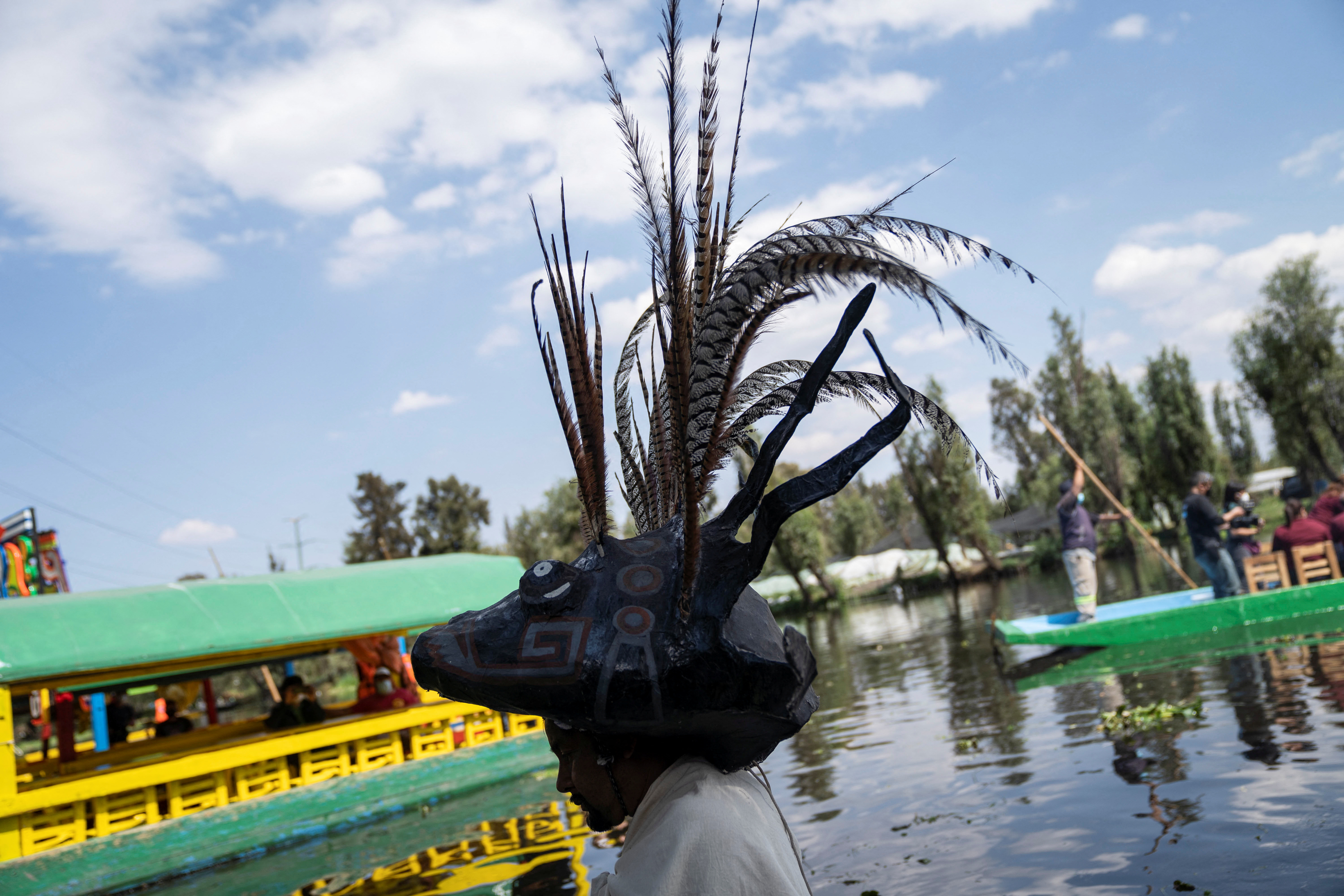
It should be noted that the Aztecs were not the only ones who were interested in the species. The Purepechas called it achoque or achójki and for a long time they used it for religious, gastronomic and above all medicinal purposes, although it is important to point out that the achoque lives in Lake Patzcuaro and its scientific name is Ambystoma dumerilii, first cousin of Ambystoma mexicanum.
Interestingly, as illustrated in the Mexican narrative, the axolotl has continued to struggle to “flee death” and has managed to survive severe environmental and social conditions that have brought it to the brink of disappearance.
“It is a resilient animal, it is an animal that regenerates like all Mexicans, it is an animal that, although it has all the factors to be endangered, does not give up and move on,” added Pamela, founder of Axolotitlán.
In addition, the interviewees agreed that it is “a flag species, this means that it is a charismatic living being that can generate a much closer link with the population because of all this cultural identity that it brings behind it. It is also an umbrella species, that is important because it means that it can modulate the other biodiversity that exists within Xochimilco,” explained Diana Vázquez from the Institute of Biology of the UNAM.
For all of the above, it is necessary to pay attention and care to the state of the lake in the mayor's office, since the axolotl is “very important at a scientific, cultural, mystical level and of course, they are animals that tell us the health of an ecosystem, if there are axolots in a habitat, it means that that ecosystem is healthy”, he added Hat Valencia.
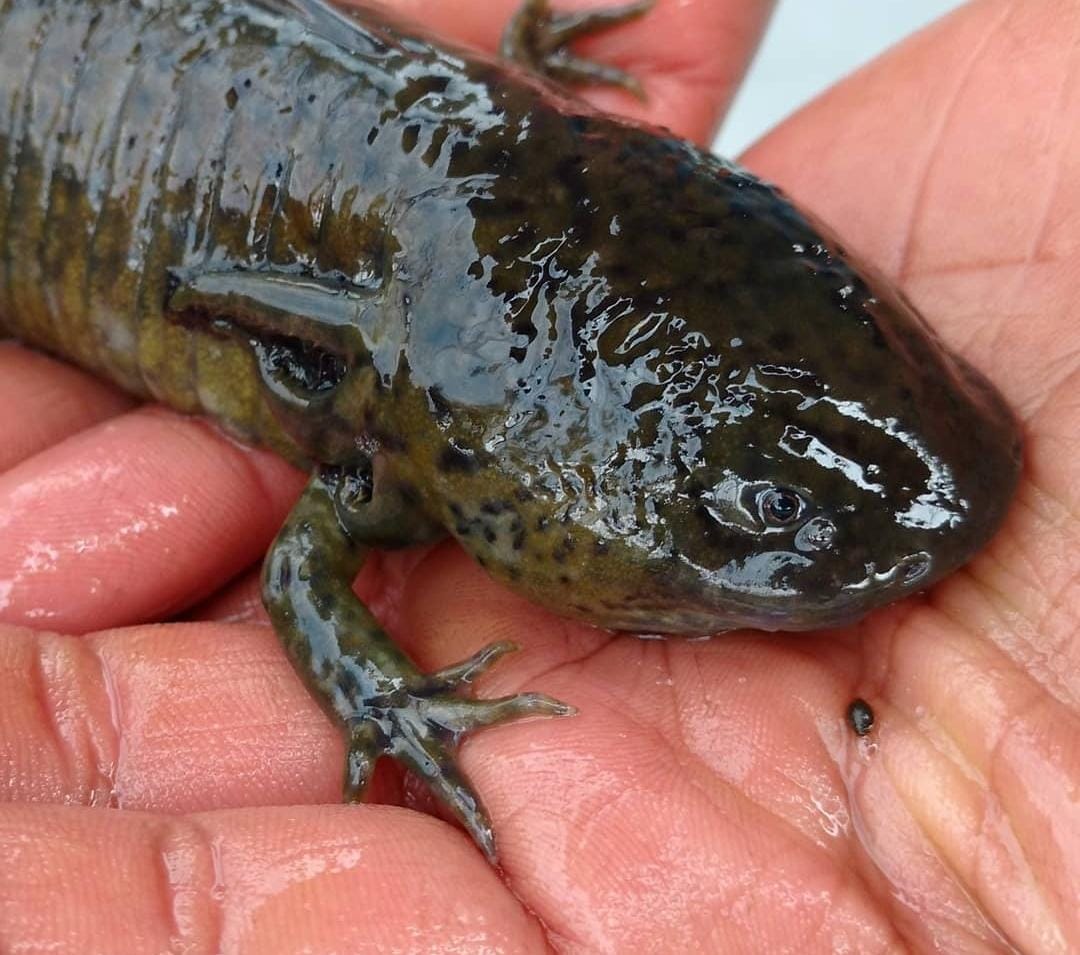
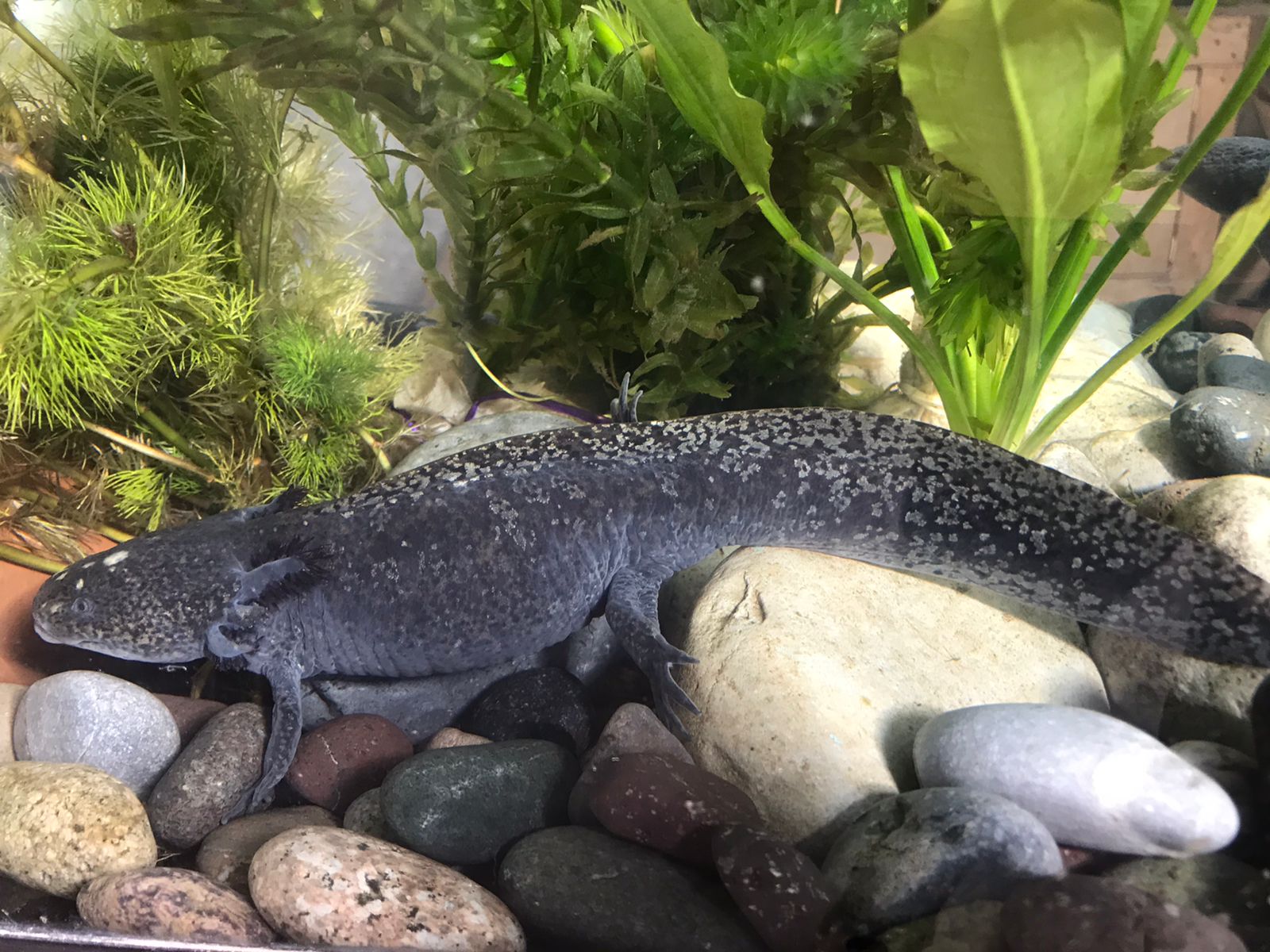
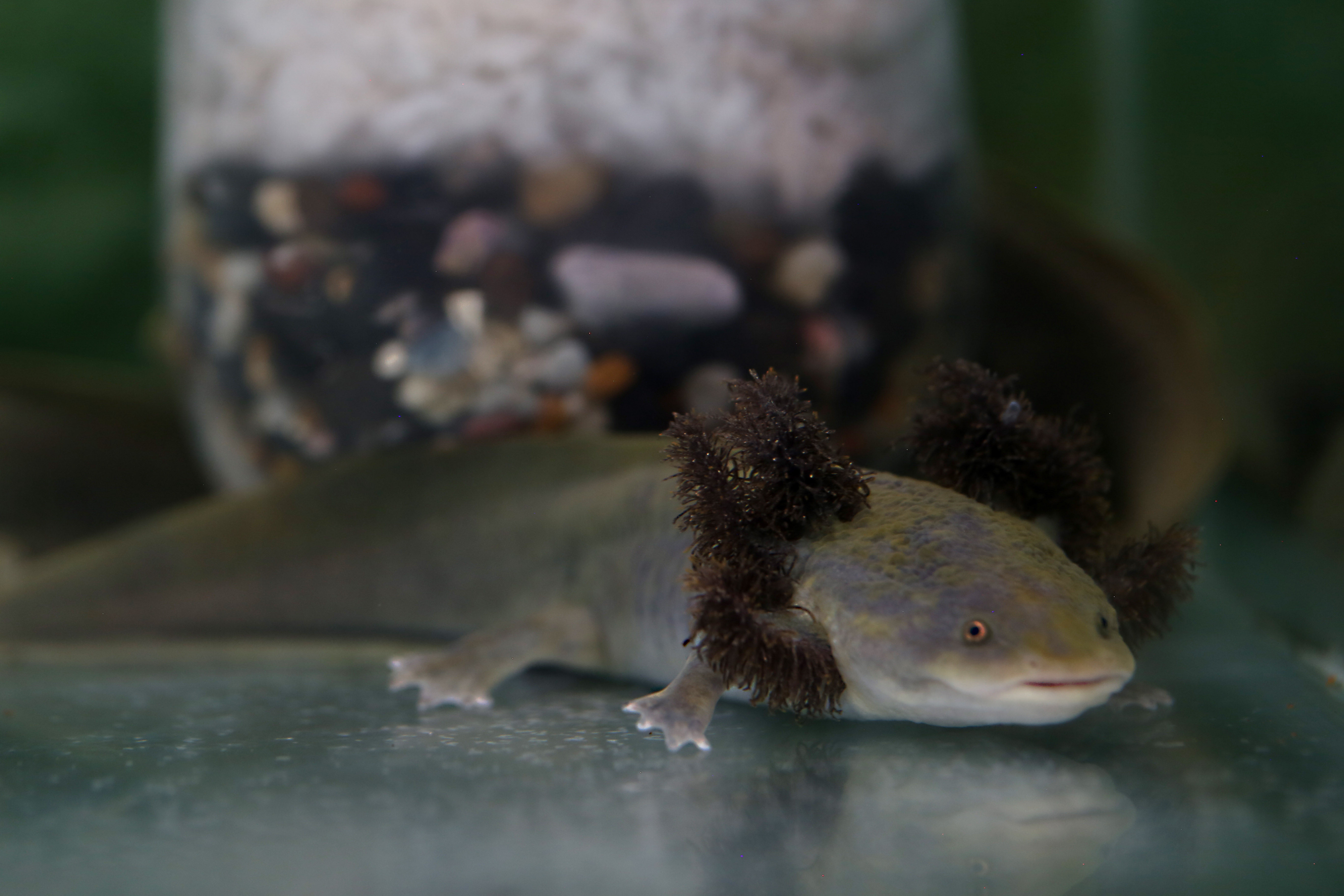
Researcher Diana mentioned that it is important to highlight that “Xochimilco's axolotl is not pink, it is green with black and gray. We generally see the pink axolotl more because it is more charismatic, it looks prettier and people are more interested in it.”
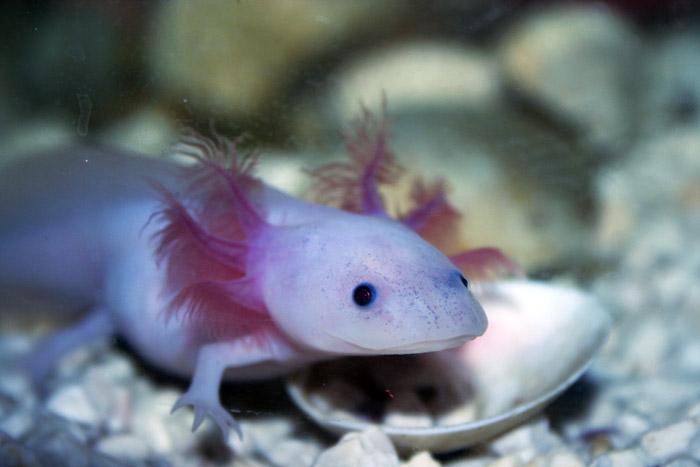
The reasons why Ambystoma mexicanum has managed to continue to exist are not precisely due to miracles, since the role of specialists such as biologists, ecologists, doctors or veterinarians has been fundamental in the process.
Researcher Eduardo Pineda highlighted that these amphibians “can help us understand how tissues, limbs, viscera and even parts of the brain can be regenerated. The axolotl provides a lot of information and through its study it can help us humans in various biomedical issues.”
Likewise, the founder of the National Axolotl Museum shared that it is a creature that never ages and has “totally Mexican DNA, just in 2018 a study was revealed that axolotl DNA is the widest genetic sequence known in the history of the world so far”.
For his part, the expert from INECOL pointed out that one of the great responsibilities of science is to seek strategies to disseminate the achievements and discoveries that are being made. Information must be translated into a common language that seeks to educate society on environmental and biological aspects.
Likewise, the scientific community must be aware that government projects carried out in natural areas are carried out in the most responsible and sustainable way possible. Society will continue to need all kinds of infrastructure, but we must always seek to generate the least impact.
“The Institute has approached the municipalities, the government of several states, even at the federal level. At times we have had an impact on Mexican official standards. We also have an obligation to advise and support all those who ask us for help, that is what society pays us for, not just to generate a scientific publication.” Eduardo stressed.
Part of the role and responsibility of science is to put all theoretical studies into practice in order to contribute to positive changes in society. This is something that is very clear at the Institute of Biology of the UNAM, since thanks to the hard work of the team coordinated by the researcher Luis Zambrano, the Chinampa-Refugio project was born.
Diana Vázquez, teacher in Sustainability Sciences and member of Dr. Zambrano's Ecological Restoration Laboratory, explained to Infobae Mexico the importance and operation of the Chinampa-Refugio program.
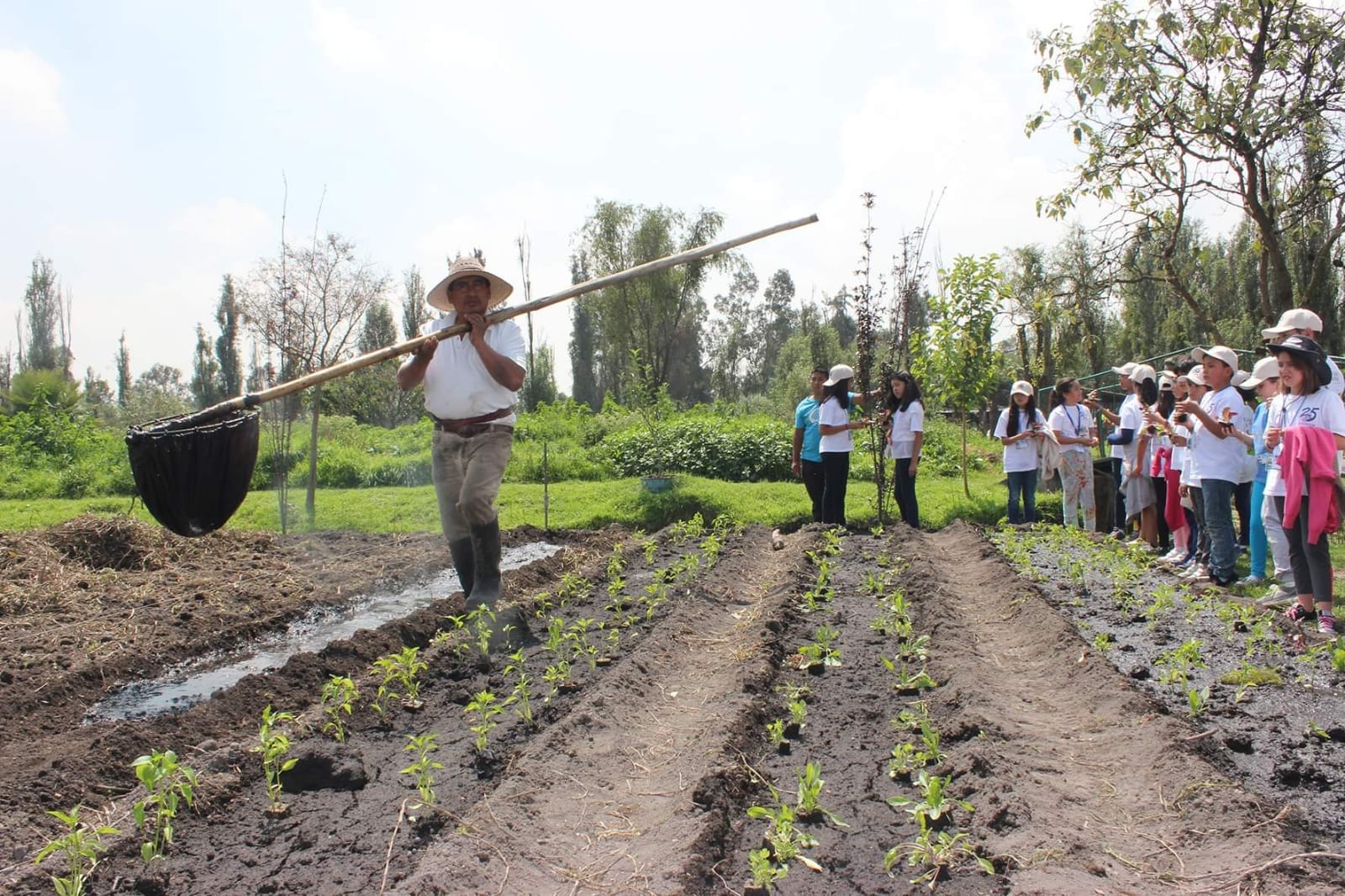
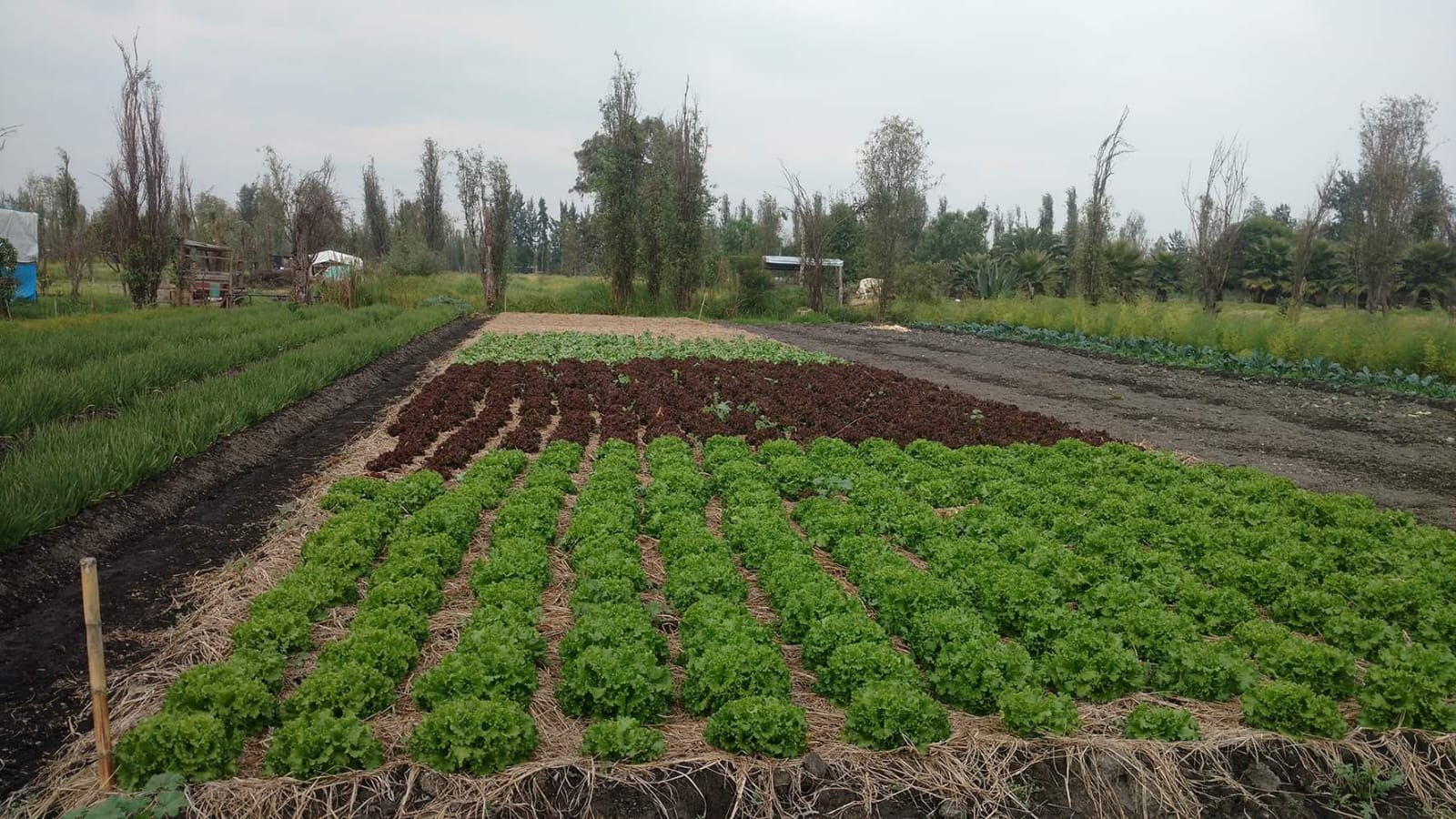
“The laboratory has been working in Xochimilco for more than 10 years and basically what Chinampa-Refugio is about is to generate a symbiosis between the agro-ecological production of food, which in this case is mainly vegetables in the chinampas and the conservation of the axolotl.”
He explained that the construction of shelters in chinampas consists first of “opening ditches or secondary channels, then rehabilitating these spaces and placing shade mesh gates at the ends to prevent the passage of exotic species such as carp and tilapia, which are the main predators of axolots.”
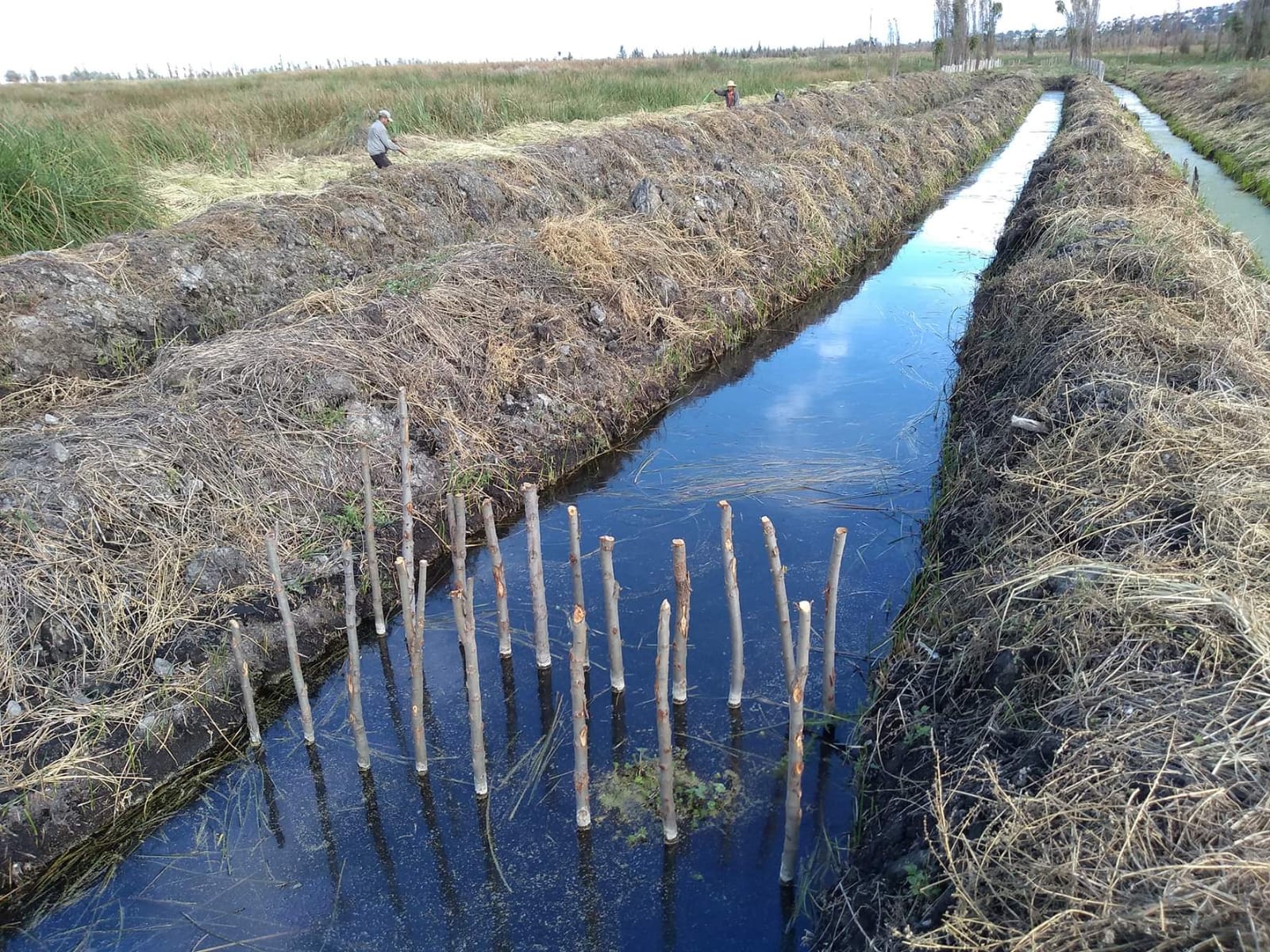
He added that “biofilters are also placed with aquatic plants native to the area that what they do is filter the water of heavy metals and microbiological contaminants.” This project could not be carried out without the support of the producers, since it is they who lend their land to give the species a new natural home.
The only requirement that they must comply with is “working the chinampa in an agroecological way, without agrochemicals and with all these practices that are friendly to the environment, thus the quality of the water in these shelters, which is one of the most important things, is benefited. These shelters allow at some point there to be a possibility of reintroduction into a free life.”
So far 20 producers have joined the project, which is in phase 6, a stage that consists of specialized monitoring of all shelters because “before reintroduction, there must of course be a stage to monitor the conditions that exist. There is not yet a reintroduction but we are working on that,” said biologist Diana Vázquez.
During the process they have had the support of Dr. Horacio Mena, a veterinary doctor who has been in charge of conditioning, supervising and caring for the colony of axolots that in some future will enter the chinampero shelters without major complications.
The scope of this project is intended to have a positive impact on the people who produce, since the restoration of the ecosystem represents economic, environmental, cultural and social benefits mainly for the Chinamperos and for all people who benefit from the natural resources of the area, who also CDMX is added.
One of the ways in which we intend to do this is with the “chinampera label” that seeks to “generate a distinctive mark for products that come out of chinampa, so that consumers will know that they come from agro-ecological production and from a project that supports the conservation of axolotl”.
Another objective of the labels is that they allow long-term maintenance to these shelters and that “producers do not have to rely on funding that UNAM may or may not have, the aim is that they themselves can self-sustain the shelters in order to have a greater and fair income or remuneration for what they produce”.
It is intended that over time Chinampa-Refugio will consolidate itself as a public policy in Xochimilco at the local level so that little by little more Chinamperos will be added and they can begin to implement agroecology, “in the end what we seek is not to exclude, but to add more producers,” Diana reported.
The UNAM specialist shared that “citizens have positioned themselves in favor of the conservation of the axolotl from a perspective of science and collective knowledge, people are increasingly informed, more interested and when there is an act that is not exactly consistent with conservation strategies, their voices are immediately raised. ”.
He also commented that the axolotl has been such an important symbol of xochimilca identity that the producers linked to the project “seek the conservation of the species much more in terms of culture. They tell you how they could always see them on the channel without any problem and how little by little the population has decreased.”
The work of citizens has not only remained in that aspect, since various proposals have emerged that seek to protect and raise awareness among others of the alarming situation faced by the amphibian.
This is precisely how the National Museum of the Axolotl, Axolotitlán, was born. Pamela Valencia, publicist and founder shared that “when I saw an axolotl live for the first time I realized the importance of this animal, how, unfortunately, many people didn't know about them and I decided to use my communication tools to be able to share this information with people”.
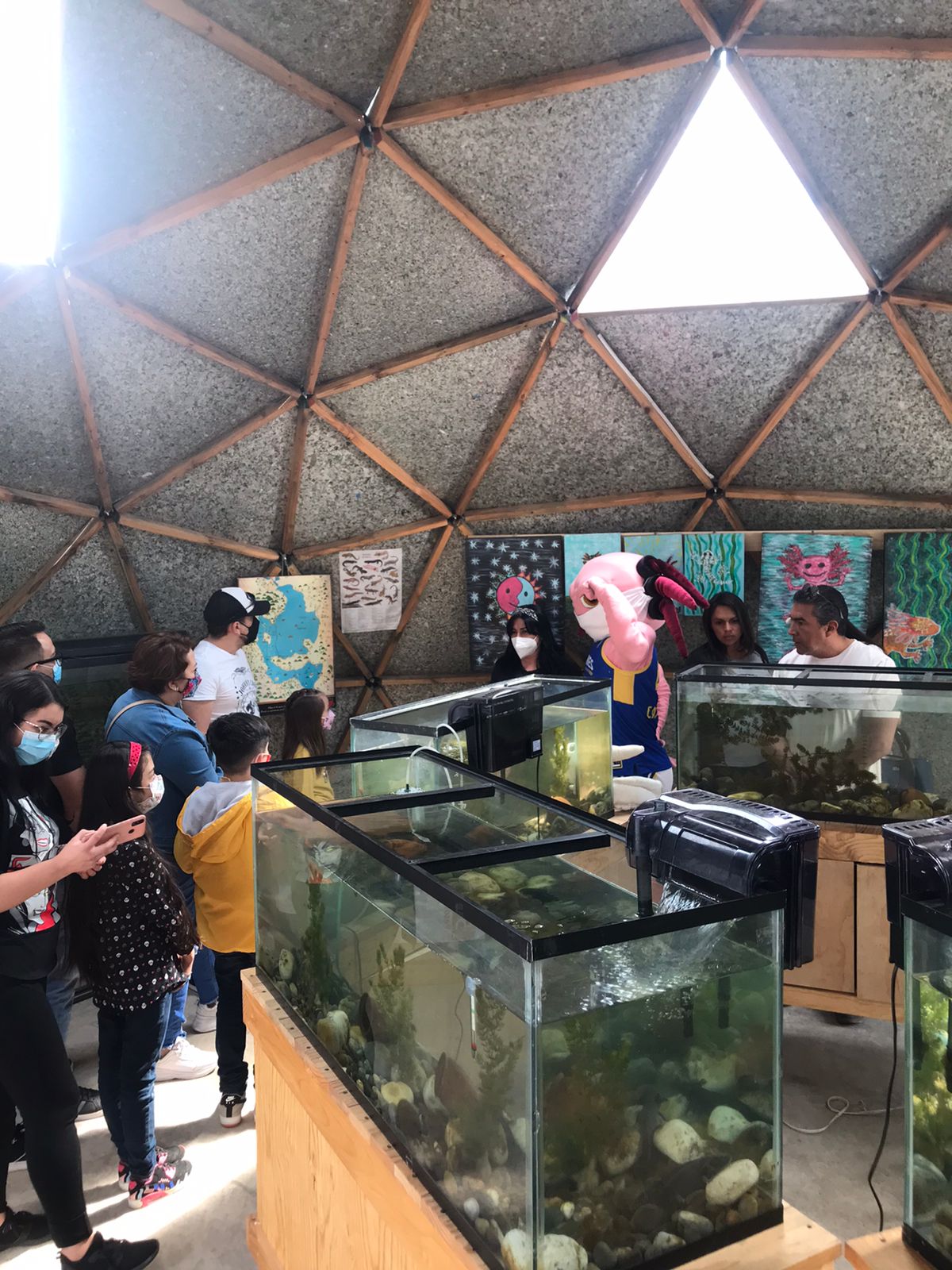
He added that the project was developed in 2017 “with the intention that children, young people and adults could have a physical approach with these animals. The Museum is a space that seeks to inspire people to recognize the importance of endemic flora and fauna”.
Here social participation has also been an elementary pillar, something that has not been so difficult because “this animal is so powerful and now people like it so much that people join in one way or another”.
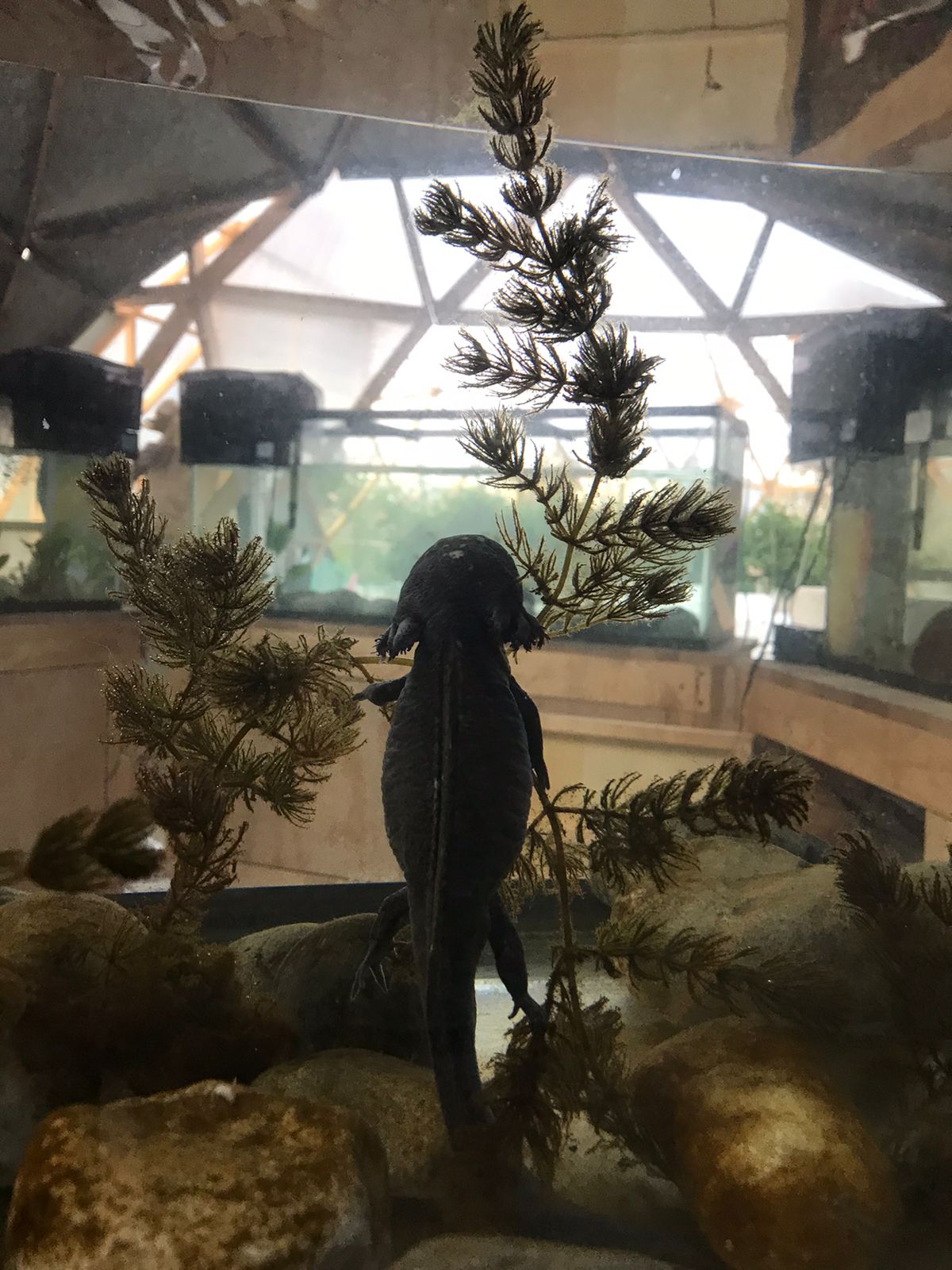
Even the specimens in the museum have been gifts from breeders who are expertly and professionally dedicated to the conservation of Ambystoma mexicanum. Some institutions and universities have also added in this regard, although some other copies were taken away because they were sick and people abandoned them and never returned for them.
The work has not been left only in that regard, since alliances have also been created with chinamperos from the lake area in Xochimilco to organize Biocultural Tours, a very important collaboration because “50% of what we generate in these tours remains directly in the stock market of the farmer and his family”.
In the same way, the publicist explained that they have another program called Red Médica that “came about because there are many people who today want to keep axolots as pets, which we don't recommend because they are wild animals, they are animals that should be in their natural habitat.”
Red Médica is made up of “a group of specialists where we communicate concerns, experiences, advice or work as a team to care for all animals that are currently without care”.
They also have Artistic and Strategic Pedagogical Alliances, a work with society in which they seek to join all those who wish to collaborate or make a product related to these amphibians, since “we are a project open to the collaboration of any professional”.
Due to little support from local and federal authorities, the Museum could not be held in Xochimilco, however, the Tarango Barranca was chosen, a protected natural area to be the headquarters of Axolotitlán. Pamela commented that “the space where we are there are more projects similar to us: there are butterflies, urban gardens, wetlands, temazcal, etc., we are in a physical space that combines objectives with everyone else.”
For his part, he stressed that they do not do breeding programs because there is nowhere to reintroduce the axolotl, since it is essential to clean and heal their wild ecosystems first. He also stressed that “we want to keep the brown axolotl, not the pink axolotl that has had a boom today and that has made it so famous. The axolotl that should be in its natural habitat is the black brown”.
It is important to work on restoration because, as the researcher Pineda clarified, “it is of no use if you can recover a population that is at risk if in the end you go and warn it to the same conditions that caused it to disappear”.
Pamela also invited people to raise awareness of the risks involved in raising these amphibians and/or acquiring them as pets illegally. “They think that's the right way to save them and that really doesn't help at all, all they're doing is weakening the wild genetics of animals.”
Pamela is not the only one who is doing something for this species, there are some organizations and groups that through different projects have tried to contribute positively to the conservation of this living being.
Pink Axolote is an example, it is a group made up of 3 people that seeks to raise awareness about Ambystoma mexicanum and other endemic species through the sale of items.
The objective “is not only to generate products, but to make them products with an educational approach to bring people information about their traditions and species in Mexico, both animals and plants”. Ernesto Pérez Ibáñez, one of the founders of the collective, explained.
Sandra Martínez, who also heads the project, shared that the idea of the axolotl being its emblem arose after she wondered about the existence of an element that provided “Mexican identity but was not created by humans and then you find that the answer will always be the flora and fauna found in a place”.
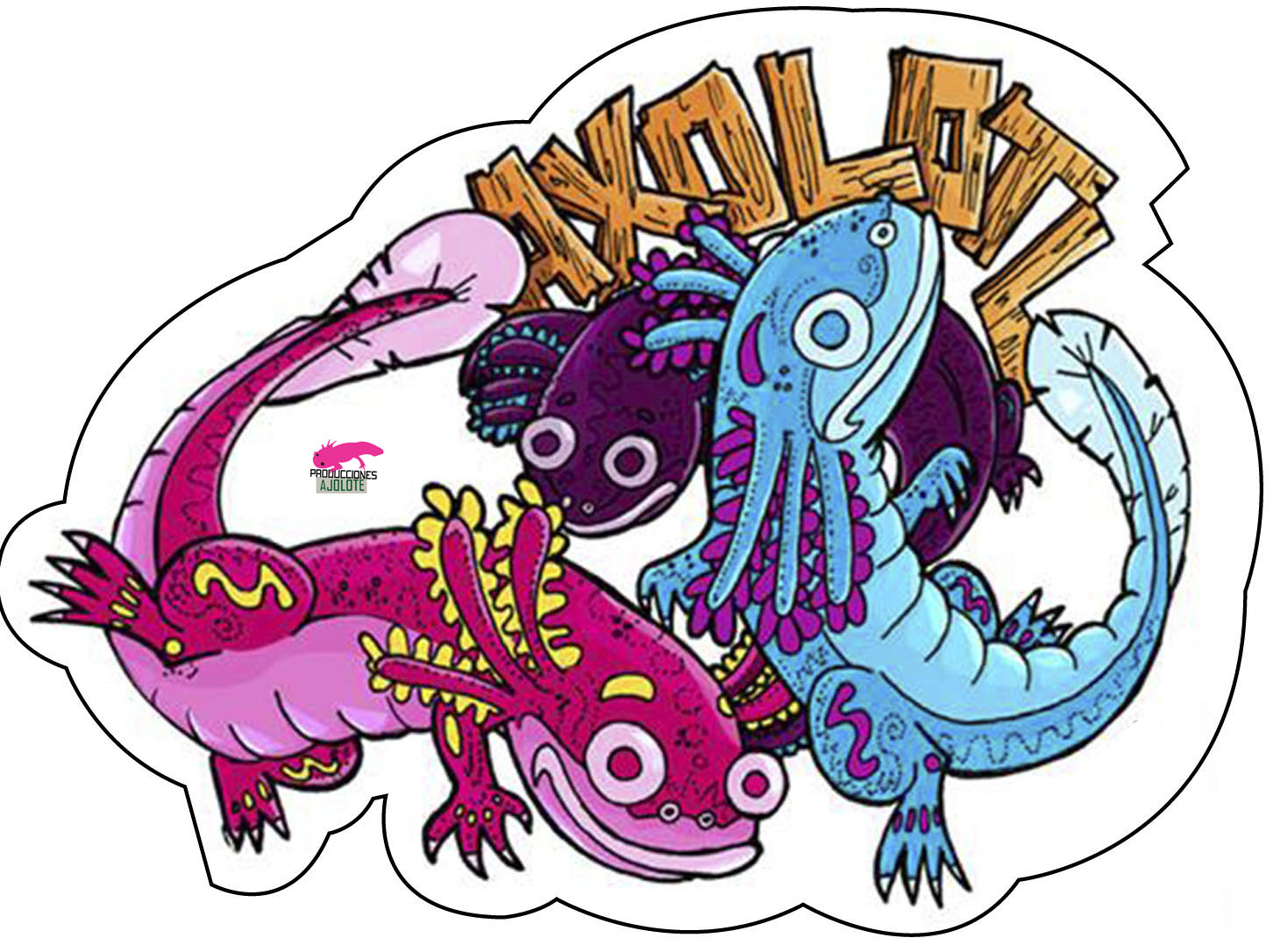
For his part, Edgar Martínez mentioned that they are also interested in “scientific dissemination around cultural, historical and biological aspects.” In order to communicate the importance of axolotl in its products, expert help was needed.
The interviewee explained that they went to the “FES Iztacala of the UNAM, where there is a vivarium with an axolotl hatchery. There the specialist Sandra Arias, in charge of the axolotario, spoke to us about the characteristics and aspects that are so curious about the axolotl.”
When they realized that very few people are dedicated to making products with this theme and that people knew Ambystoma in a very superficial way, they were challenged to generate products that, beyond looking beautiful, could connect with people and guide them regarding the situation of wildlife in Mexico.
Sandra and Ernesto are graduates of the Faculty of Arts and Design (FAD) of the UNAM in Xochimilco and since they began their studies they realized the importance of projects that communicate national issues, despite the fact that “education in general is very Europeanized. It is very important to teach other types of cultures, especially your own,” said Sandra.
In addition, Edgar stressed that “there is a lot of idea that design is made to sell, but it is also possible that it can bring a background that is part of knowledge”.
Another of its objectives is to reach children through images that tell a story and that are fun. This is a “handling of humor mixed with scientific dissemination and illustrations close to caricature,” Ernesto said.
Some of his works are exhibited in the Botanical Garden of the UNAM and in the Xochitla Ecological Park.
Finally, Sandra said: “We are living in a super visual era, for us the first approach of an animal or a plant is visual. What we are doing is a small grain of sand to try to raise awareness about Mexican identity.”
It is essential to restore the axolotl along with its ecosystem because “people often focus nothing more on the species and not on the habitat. In order for there to be conservation of a species, it is necessary to preserve its home, which in this case is the chinampera zone,” explained Diana Vázquez.
In order for the work of specialists and society to have a positive effect, it is essential that the federal and local authorities participate actively, especially that they do so in a consistent manner, since, despite the fact that the mayor's office is collaborating in the axolotl restoration program with UNAM, the last event called “Ajolotón” left much to be desired.
Likewise, the biologist Diana added: “We were not in any way involved with the release that was recently made and which was very media, we were not aware of that project. The mayor's office Xochimilco and the Ministry of Culture have collaborated and supported Chinampa-Refugio, but we don't know why they decided to make that reintroduction.”
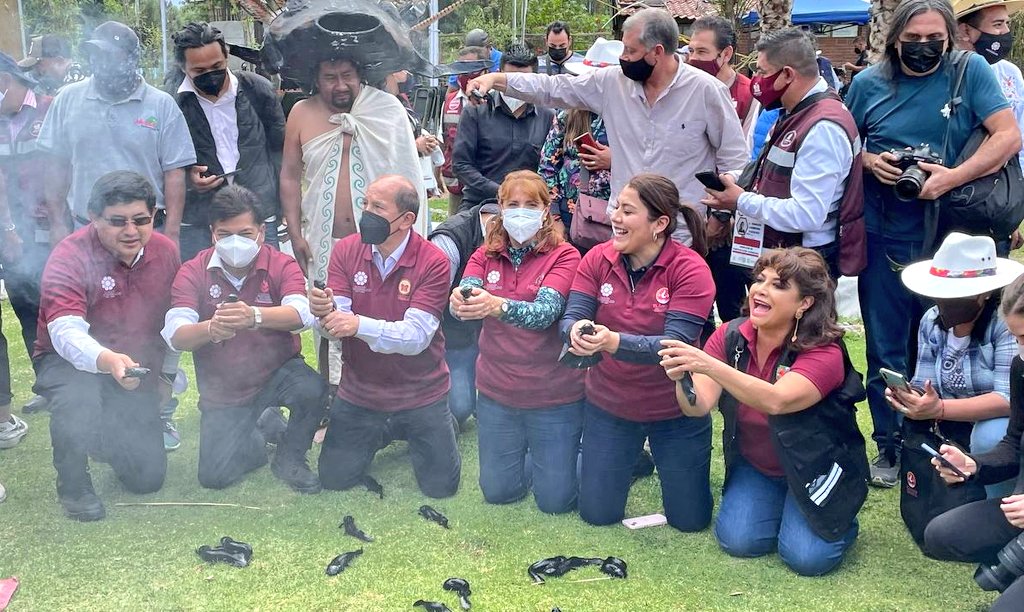
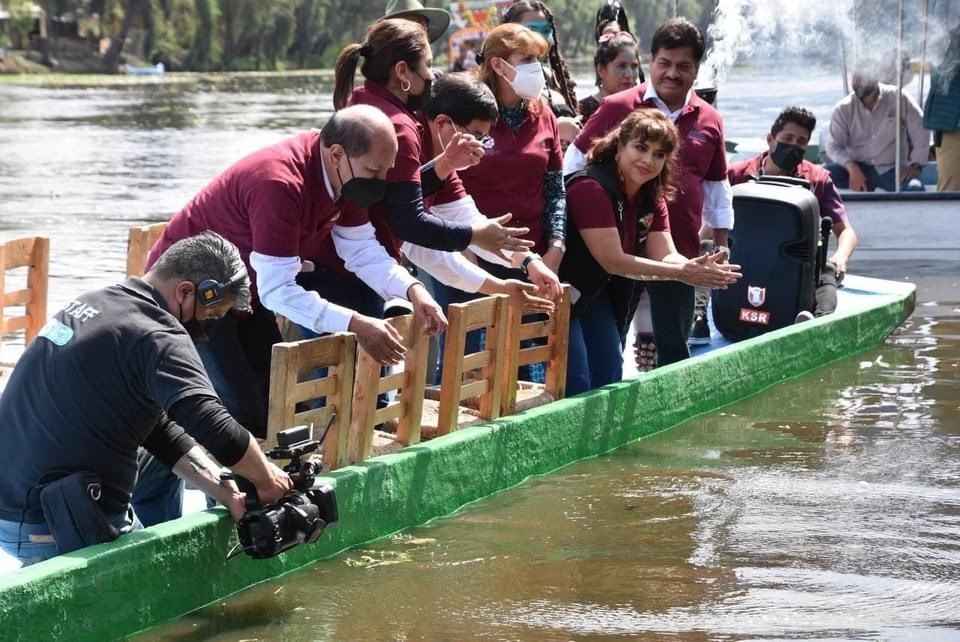
In addition, the founder of Axolotitlán remarked that “no one is talking about the suffering that these 200 animals had, it is not just lynching the politician. After that, are you going to create a place where there can be environmental education for people? Are you going to remove the clandestine outlets or drains that are in Xochimilco? For me the big message of this error is how are they going to reverse it?
Another issue that affects Mexico's ecosystems is the economic interests that are often put into play during the creation of infrastructure that damages and even eliminates natural areas.
Regarding this, the INECOL researcher pointed out that “even if the data tell you that the route must be around here based on studies, sometimes political interests win, that is already part of corruption. Over time, efforts have been made to generate a harmonious coexistence between development and nature conservation, but they are often ignored.”
It is important to mention that an attempt was made to contact the Secretariat of the Environment of Mexico City (SEDEMA), however, no response was obtained.
Finally, individual responsibility must be taken that although at first it may seem to add little, in the long run it helps a lot. The main thing is to “become aware of where our products come from. Many people, if they need water, open a tap and that's it, but that water was generated in a very distant place, in conditions where there must be an environment for the water that falls from the rain to leak into the water tables and we have the resource,” commented Eduardo Pineda.
We are beings who live thanks to nature and we must act with a vision of the future so that future generations do not suffer so much from the consequences of ill-planned “progress”.
Pamela from the Axolotl Museum emphasized: “We may not see how axolotts return to wildlife, but the children do and if we all work as a team and take care of the last thing we have left of the lake, that place can be healthy again and they can live again.”
KEEP READING:
PUBLICIDAD
PUBLICIDAD
Últimas Noticias
Debanhi Escobar: they secured the motel where she was found lifeless in a cistern
Members of the Specialized Prosecutor's Office in Nuevo León secured the Nueva Castilla Motel as part of the investigations into the case

The oldest person in the world died at the age of 119
Kane Tanaka lived in Japan. She was born six months earlier than George Orwell, the same year that the Wright brothers first flew, and Marie Curie became the first woman to win a Nobel Prize

Macabre find in CDMX: they left a body bagged and tied in a taxi
The body was left in the back seats of the car. It was covered with black bags and tied with industrial tape

The eagles of America will face Manchester City in a duel of legends. Here are the details
The top Mexican football champion will play a match with Pep Guardiola's squad in the Lone Star Cup

Why is it good to bring dogs out to know the world when they are puppies
A so-called protection against the spread of diseases threatens the integral development of dogs


