


Peripheral neuropathy is a condition caused by nerve damage and can cause numbness, weakness, and pain. It can be a short-term or long-term condition. For its part, SARS-CoV-2 infection can cause neurological sequelae after discharge from COVID-19 infection, according to numerous studies have already confirmed, but the appearance of symptoms of peripheral neuropathy and dysfunction of the cranial nerves was unknown. A new study aimed to characterize the onset and severity of pain and symptoms in patients with this virus infection.
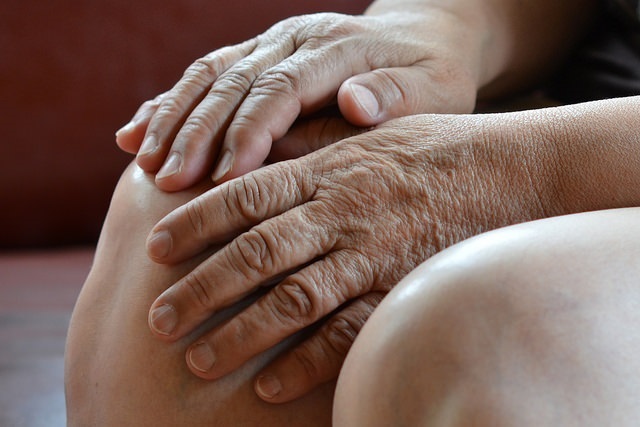
Thus, the recent study by researchers at the University of Washington School of Medicine in St. Louis, added to a growing body of evidence that, for many, health problems related to COVID-19 persist longer than the initial infection. They found that some people infected during the first months of the pandemic experienced peripheral neuropathy (pain, tingling, and numbness in the hands and feet) during and after infection with the SARS-CoV-2 virus.
In the research involving more than 1,500 participants who were tested for SARS-CoV-2 during the first year of the pandemic, researchers found that those who tested positive for the virus were about three times more likely to report pain, numbness, or tingling in their hands and feet than those with negative tests. The findings have just been published in the journal Pain.
“Several viral infections, such as HIV and shingles, are associated with peripheral neuropathy because viruses can damage nerves,” explained lead author Simon Haroutounian, head of clinical research at the University of Washington Pain Center.

“We found that nearly 30% of patients who tested positive for COVID-19 also reported problems with neuropathy at the time of their diagnosis, and that between 6% and 7% of them, indicated that symptoms persisted for at least two weeks and up to three months, suggesting that this virus may have persistent effects on the peripheral nerves.”
Haroutounian, who is also an associate professor of anesthesiology and director of the department's Division of Clinical and Translational Research, stated that “some patients who traced the onset of their neuropathy symptoms to COVID-19 infection have sought treatment at the University of Washington Pain Center.” However, most of those who participated in the study reported problems that were rated as mild to moderate and may not have sought help from a pain specialist.
“It is important to understand if a viral infection is associated with an increased risk of neuropathy,” the researcher concluded. In the case of HIV, we didn't realize that it was causing neuropathy for several years after the AIDS epidemic began. As a result, many people were not diagnosed with neuropathy or treated for the pain associated with the problem.”
The professional warned that the same can happen now for patients with neuropathy after COVID-19. There is no established diagnosis of neuropathy related to COVID-19, but Haroutounian explained that “regardless of the cause, current treatments for neuropathy are somewhat similar.” Pain specialists use the same types of medications to treat peripheral neuropathy, whether it is caused by diabetes or HIV or if the reason is not clear. “There is a high probability that we will still be able to help these patients, although at this time there are no clear diagnostic criteria or a syndrome recognized as peripheral neuropathy due to COVID,” he added.
The research team surveyed patients who were tested for COVID-19 at the University of Washington medical campus from March 16, 2020 to January 12, 2021. Of the 1556 study participants, 542 tested positive for COVID-19 and 1014 tested negative. “Many of the latter were examined because they had surgery or were already hospitalized with cancer, diabetes or other health problems,” Haroutounian said. Because of those existing health problems, many of those who tested negative have already experienced chronic pain and neuropathy not related to COVID-19.
The patients in the study who tested positive tended to be healthier and younger, and 29% reported symptoms of neuropathy at the time of diagnosis. That was compared to neuropathy problems in approximately 13% of participants who tended to have health problems but tested negative for COVID-19. This finding strengthens the possibility that the virus may be related to subsequent symptoms of peripheral neuropathy.
Because the study was conducted in a single center, the specialists concluded that more research would be needed to replicate the findings. In addition, much of the data was collected when outpatient clinical research was halted due to the pandemic, meaning that patients in the analysis were evaluated according to their responses to a survey rather than in-person interviews and physical examinations.
“We also finished our data collection before vaccines became widespread and the Delta or Ómicron variants arrived, and it is difficult to say what effects these variables can have,” concluded the specialist. So we want to follow up on some of those patients who have persistent nerve symptoms and learn what is causing their pain so that we can better diagnose and treat these patients in the future.”
KEEP READING:
Últimas Noticias
Debanhi Escobar: they secured the motel where she was found lifeless in a cistern
Members of the Specialized Prosecutor's Office in Nuevo León secured the Nueva Castilla Motel as part of the investigations into the case

The oldest person in the world died at the age of 119
Kane Tanaka lived in Japan. She was born six months earlier than George Orwell, the same year that the Wright brothers first flew, and Marie Curie became the first woman to win a Nobel Prize

Macabre find in CDMX: they left a body bagged and tied in a taxi
The body was left in the back seats of the car. It was covered with black bags and tied with industrial tape

The eagles of America will face Manchester City in a duel of legends. Here are the details
The top Mexican football champion will play a match with Pep Guardiola's squad in the Lone Star Cup

Why is it good to bring dogs out to know the world when they are puppies
A so-called protection against the spread of diseases threatens the integral development of dogs


