

Last March, there were 232 protests in Cuba, compared to 207 in February, 149 of them in defense of political and civil rights in the face of a regime that “has implemented a policy of extreme terror” to inhibit demonstrations on the island, according to a report by the Cuban Conflict Observatory (OCC) released on Monday.
Eight months after the “massive popular uprising of July 11 and 12, 2021,” the OCC has recorded 2,267 protests in Cuba, an increase of more than 60% compared to the 8 months prior to 11J, the organization notes in its monthly report.
“Frustration over the widespread internal crisis and lack of freedoms, as well as disproportionate convictions and other abuses against peaceful 11J protesters continued to galvanize government critics in March,” highlights OCC, an autonomous civil society project supported by the Foundation for Rights Humans in Cuba.
In this context, the OCC echoes the statements of the famous Cuban singer-songwriter Silvio Rodríguez in which he criticizes the convictions of the protesters: “As far as I know they didn't kill anyone. Sentences of 15, 20 and 30 years for public disorder? I don't think it's fair,” criticizes Rodriguez.
One of the hundreds of convicts who “form a new and heavy political prison,” Brandon David Becerra Curbelo, 18, remains “firm in his convictions”: “My mind is free, prisoners are them,” the young man wrote in a letter collected by the OCC.
The OCC report for March states that “it is not possible to end national instability with the repressive and migratory tools of the Great Terror”.
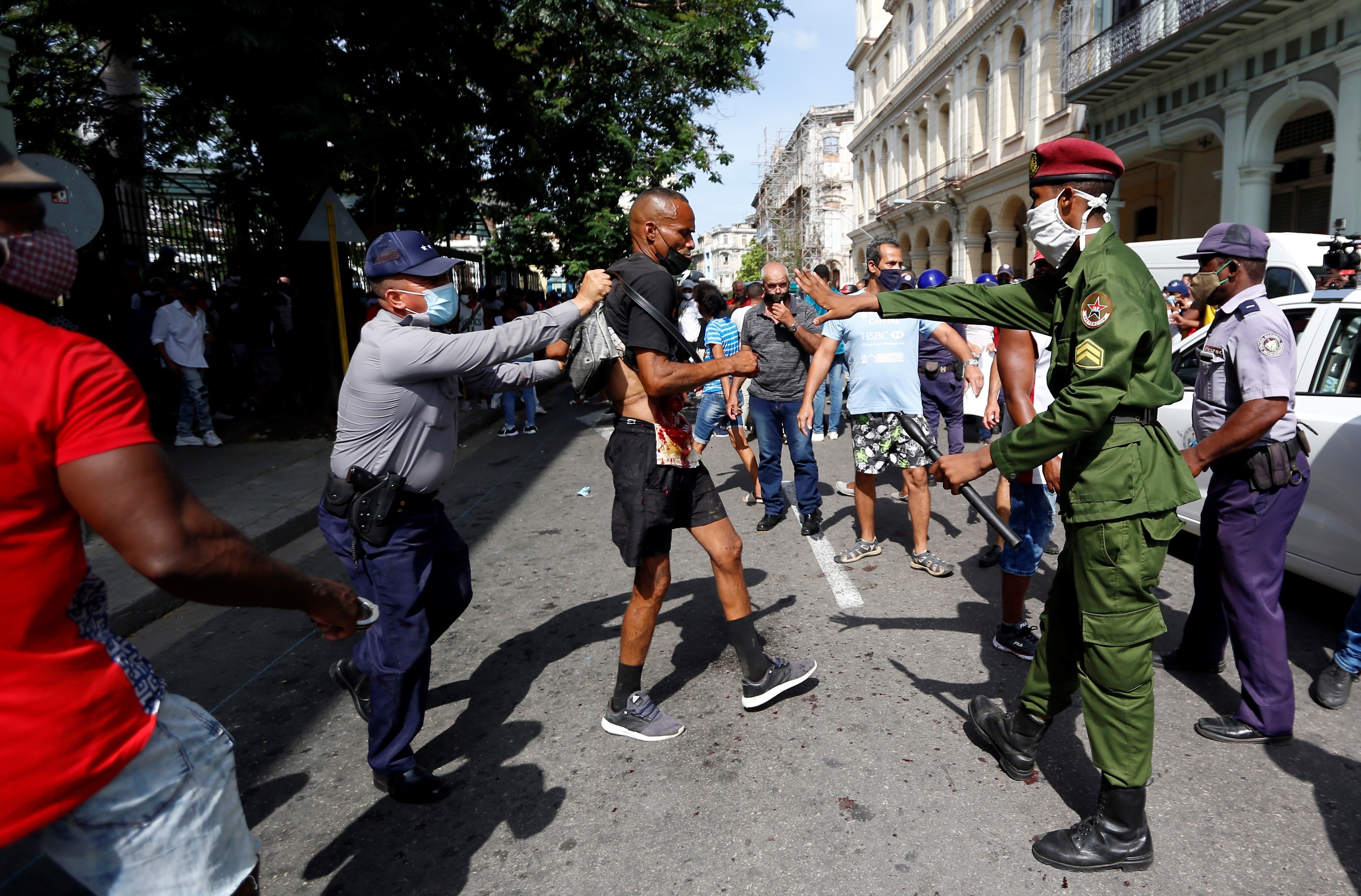
He adds that only with the “replacement” of the regime can we end “unproductivity, food and housing crisis, inflation, crisis in health services, education, water supply and public transport”, as well as “the growing population in a state of poverty”.
According to the OCC's March “conflictometer”, Cuba “is still a social bomb with a short fuse”, and, in that sense, “the psychology of the population is not today the one prior to the social explosion of 11J”, he warned, “is being replaced by a deep grudge.”
“If the (Cuban) government remains in its position of hardening, the protests can become violent,” the OCC predicted.
Of the 232 protests recorded last March, 134 were related to “police repression and abuse, including judicial arbitrariness and convictions of peaceful protesters on July 11, as well as torture and ill-treatment in prisons.”
On the other hand, the leader of the Cuban dissident collective Damas de Blanco, Berta Soler, was arrested for the eleventh consecutive Sunday, along with her husband, fellow opponent Angel Moya, said the second early Monday.
The activists were arrested - and later released - near the organization's headquarters in Havana, Moya reported on social media.
According to the dissents' account, Moya and Soler were released early this Monday and each was fined 150 Cuban pesos ($6.25).
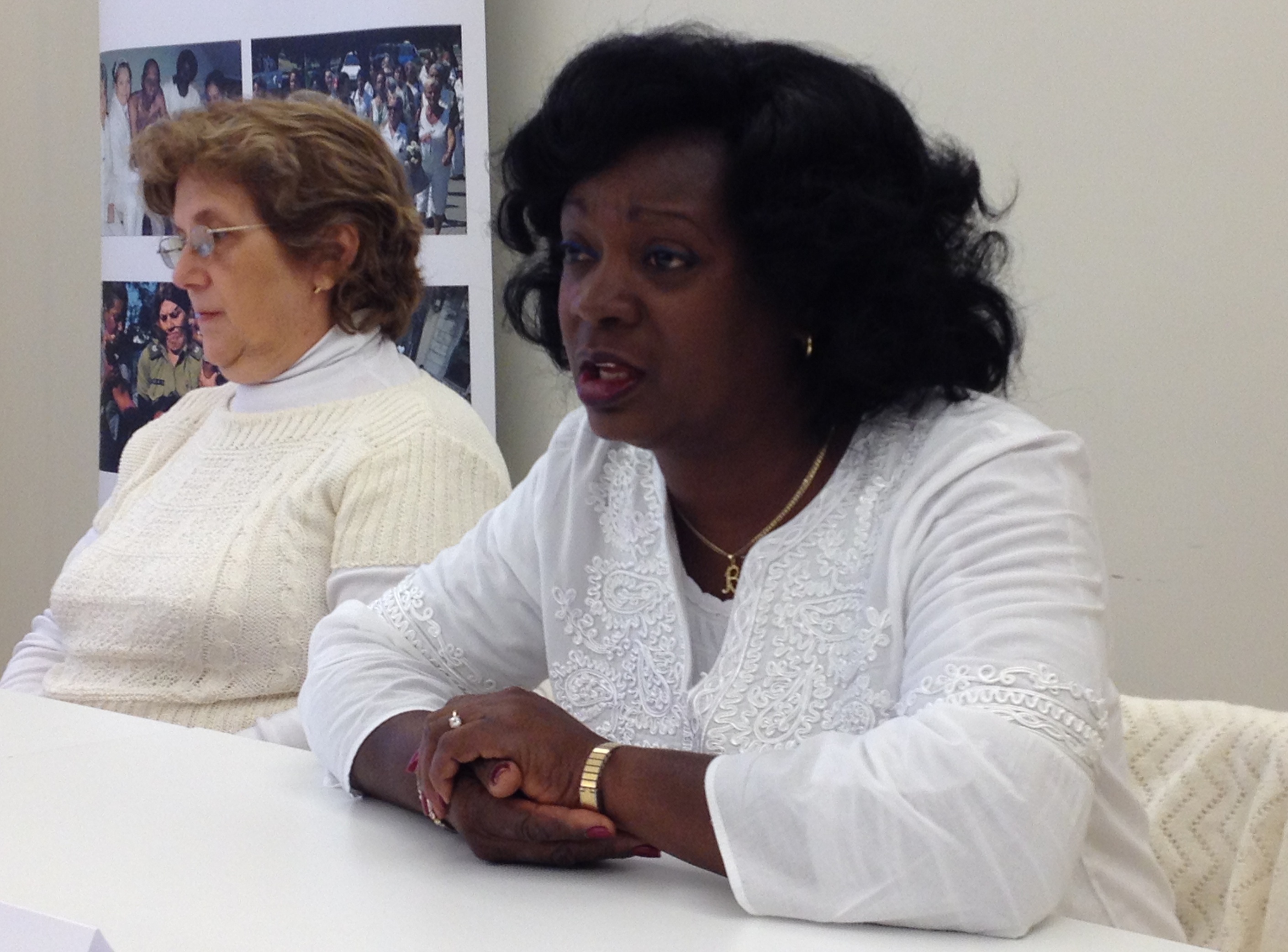
Members of the Ladies in White have been arrested every weekend since they announced in January that, as they did before the pandemic, they would take to the streets again, this time by those arrested at the July 11 protests.
Soler was arrested on all occasions, her husband on most occasions, and sometimes fined.
The Ladies in White movement was formed by a group of women relatives of 75 dissidents and independent journalists arrested and sentenced in March 2003 to high prison terms following a wave of repression by the Cuban government known as the “Black Spring”.
The EU and NGOs such as Human Rights Watch and Amnesty International criticized that wave of arrests, calling them “political”.
On March 30, the organization celebrated its 19th anniversary since its founding. In a message released by independent media Radio Televisión Martí, Soler assured that the collective will continue its “fight for the freedom of all political prisoners without exception.”
(With information from EFE)
Keep reading:
Últimas Noticias
Debanhi Escobar: they secured the motel where she was found lifeless in a cistern
Members of the Specialized Prosecutor's Office in Nuevo León secured the Nueva Castilla Motel as part of the investigations into the case

The oldest person in the world died at the age of 119
Kane Tanaka lived in Japan. She was born six months earlier than George Orwell, the same year that the Wright brothers first flew, and Marie Curie became the first woman to win a Nobel Prize

Macabre find in CDMX: they left a body bagged and tied in a taxi
The body was left in the back seats of the car. It was covered with black bags and tied with industrial tape

The eagles of America will face Manchester City in a duel of legends. Here are the details
The top Mexican football champion will play a match with Pep Guardiola's squad in the Lone Star Cup

Why is it good to bring dogs out to know the world when they are puppies
A so-called protection against the spread of diseases threatens the integral development of dogs


