


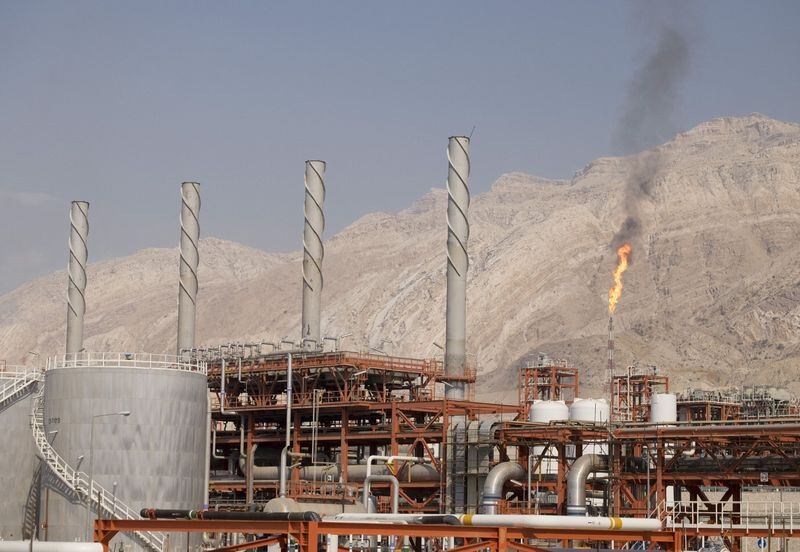
The European Commission carried out surprise inspections at the facilities of the Russian energy company Gazprom in Germany on suspicion that it violates competition rules to drive up prices, European sources reported on Thursday.
The EU Executive, the guarantor of competition in the European Union, did not confirm this information, but acknowledged in a statement that it had carried out inspections, together with the German competition authority, “at the facilities of several companies active in the supply, transport and storage of natural gas in Germany” .
PUBLICIDAD
Two European sources confirmed to AFP that investigations took place on Wednesday at the premises of Russian gas giant Gazprom and its natural gas distribution subsidiary Wingas, as Bloomberg first reported.
” Unannounced inspections are a preliminary step in the investigation of alleged anti-competitive practices. The fact that the Commission carries out these inspections does not mean that companies are guilty of anti-competitive behaviour and does not prejudge the outcome of the investigation itself,” said the EU executive.
PUBLICIDAD
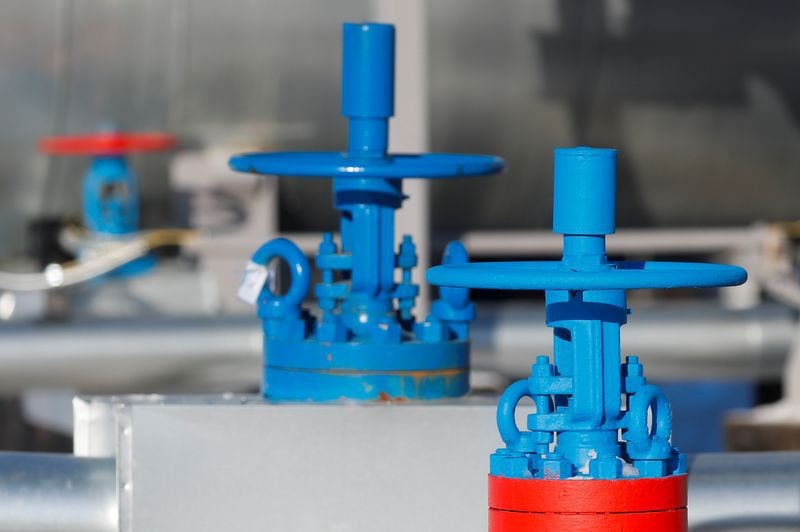
Since last year, there are suspicions that Russia is restricting gas supplies in Europe in order to drive prices up.
The Russian invasion of Ukraine highlighted the EU's extreme dependence on gas imported from Russia, which accounts for 40% of its consumption, a dependence that limits its ability to act against Moscow.
PUBLICIDAD
The twenty-seven members of the bloc, who adopted unprecedented sanctions since the start of the war, abstained for the time being from sanctioning the gas sector despite being a key source of income for Russia.
GAZPROM MEASURES
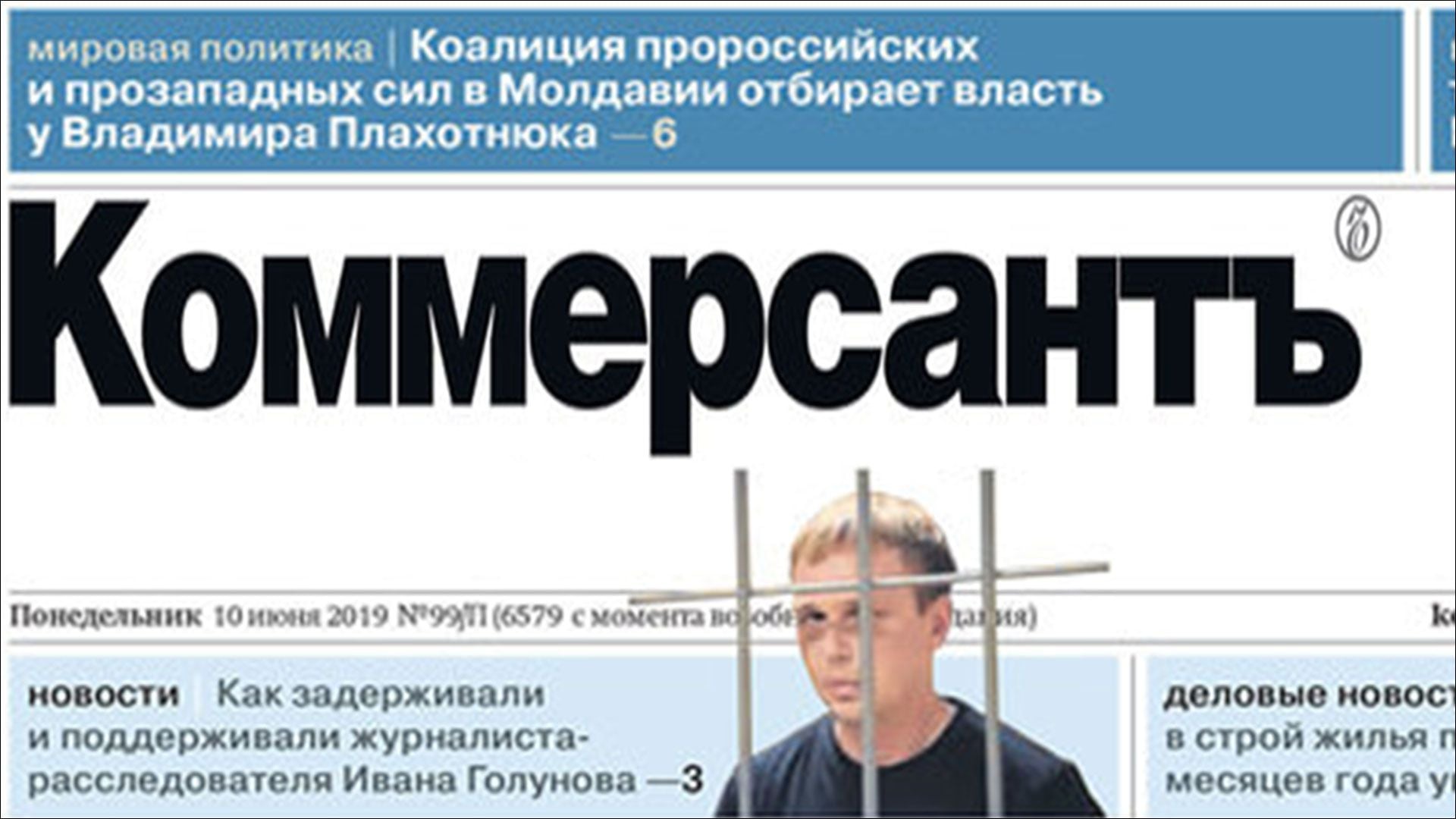
Russian energy giant Gazprom is studying possible options to cut off gas supplies to “hostile” countries and assessing their possible consequences, Russian daily Kommersant reported Thursday citing unidentified sources.
PUBLICIDAD
Russian President Vladimir Putin has said that Russia will soon require “hostile” countries to pay in rubles for Russian fuel, raising alarm bells about a possible gas supply crisis in Europe.
PUBLICIDAD
Putin has ordered the Russian central bank and Gazprom to prepare a payment plan by March 31, in response to Western sanctions against Russia for its invasion of Ukraine.
The countries of the European Union have expressed their refusal to pay Russian gas in rubles.
“Gazprom (...) is working on the option of a complete cessation of gas supplies to 'hostile countries' and is evaluating the consequences of such measures,” the Russian newspaper wrote.
PUBLICIDAD
Kommersant said Gazprom had declined to discuss the matter with the newspaper. Gazprom did not immediately respond to a Reuters request for comment.
The Kremlin spokesman said Wednesday that customers will not be required to change their payments to rubles on Thursday, as “payments and delivery is a time-consuming process.”
PUBLICIDAD
Germany, Russia's largest gas customer, will continue to pay in euros or dollars, a German government spokesman said Wednesday, adding that Putin had assured the German chancellor that nothing will change for European partners, despite his ruble payment plan.
(with information from AFP and Reuters)
KEEP READING:
PUBLICIDAD
PUBLICIDAD
Últimas Noticias
Debanhi Escobar: they secured the motel where she was found lifeless in a cistern
Members of the Specialized Prosecutor's Office in Nuevo León secured the Nueva Castilla Motel as part of the investigations into the case

The oldest person in the world died at the age of 119
Kane Tanaka lived in Japan. She was born six months earlier than George Orwell, the same year that the Wright brothers first flew, and Marie Curie became the first woman to win a Nobel Prize

Macabre find in CDMX: they left a body bagged and tied in a taxi
The body was left in the back seats of the car. It was covered with black bags and tied with industrial tape

The eagles of America will face Manchester City in a duel of legends. Here are the details
The top Mexican football champion will play a match with Pep Guardiola's squad in the Lone Star Cup

Why is it good to bring dogs out to know the world when they are puppies
A so-called protection against the spread of diseases threatens the integral development of dogs


