


The controversial deputy of the Labour Party (PT), Gerardo Fernández Noroña, presented in the lower house an initiative that seeks to eliminate daylight saving time, as he assured, moving the clock causes “sleep disturbances and increases the feeling of tiredness”.
In presenting the initiative, the ally of the Movimiento Regeneración Nacional party (Morena) recalled that changing the clock every first Sunday in April was implemented during the “neoliberal” government of Carlos Salinas de Gortari, in the states of Nuevo León and Tamaulipas, with “economic reasons”.
However, he noted that it was in 1996 that Ernesto Zedillo approved its implementation at the national level, thus prevailing the economic interests of a few “despite the ever-increasing existence of counterproductive effects” that affect the health of the population.
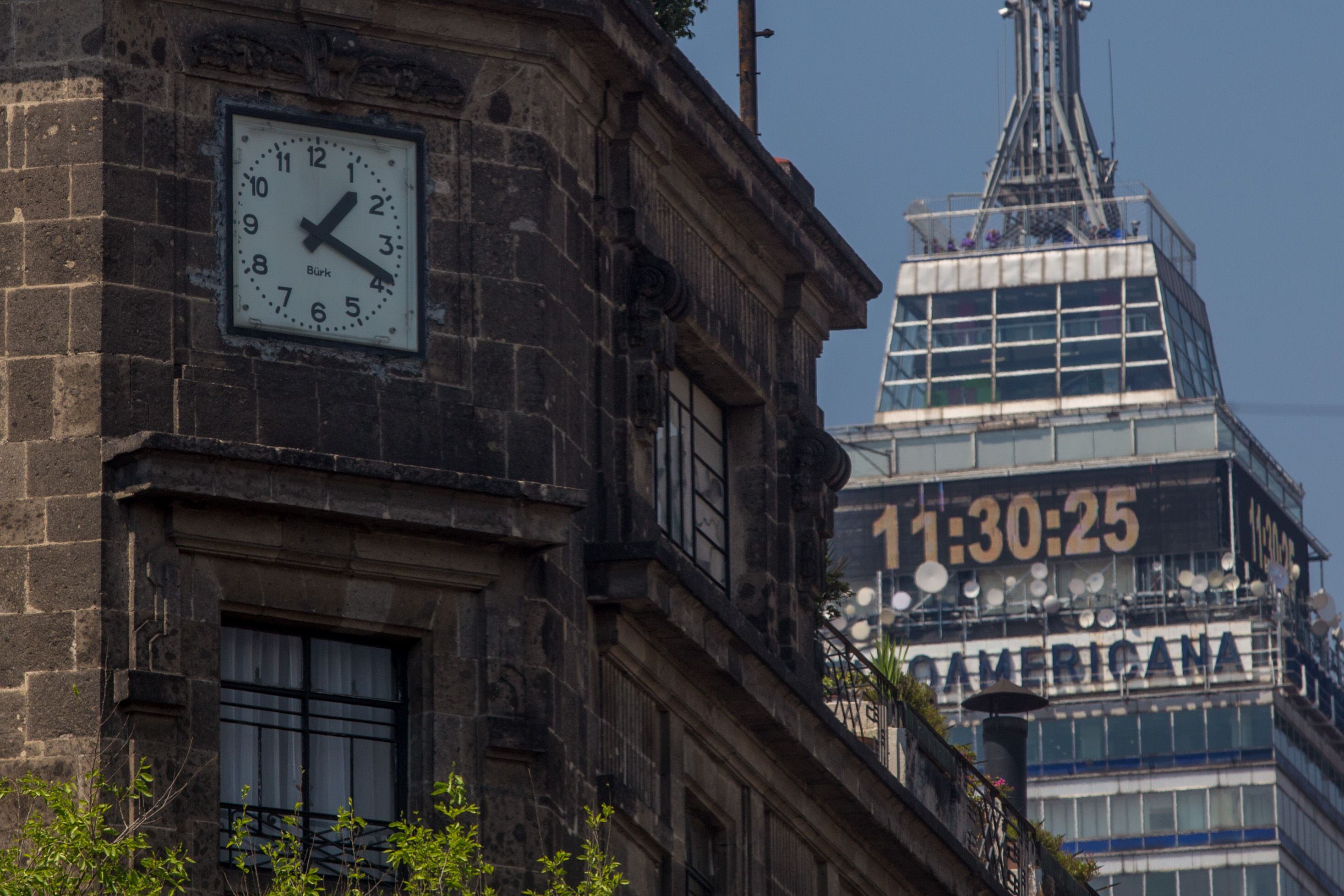
And it is that according to the deputy petista, turning the clock forward causes “disturbances in sleep, affecting the heart rate and increasing the penalty for tiredness, irritability or mood swings”.
Fernández Noroña also explained that humans have a circadian clock, located in the hypothalamus of the brain, which is responsible for coordinating the whole organism using two “very important” signals to synchronize themselves: sunlight and feeding schedule.
Given this, he stressed that by constantly changing the schedule, it causes damage to the coordination of the functioning of the human body, thereby influencing its behavior and activities in a negative way.
The initiative will seek to repeal articles 4, 5, 6 and 7 of the Time System Law in the United Mexican States, in addition to repealing the decree establishing seasonal hours in the country.
This is not the first time that summer time has been sought to disappear in Mexico, since in March 2020, President Andrés Manuel López Obrador (AMLO) reported that this measure would be analyzed, and depending on whether it helps energy saving, it would continue to be applied in the country.
“We are not going to modify anything until we have a technical opinion, which I request from the Secretary of Energy (Rocio Nahle),” he said at the time.
Daylight Saving Time in Mexico
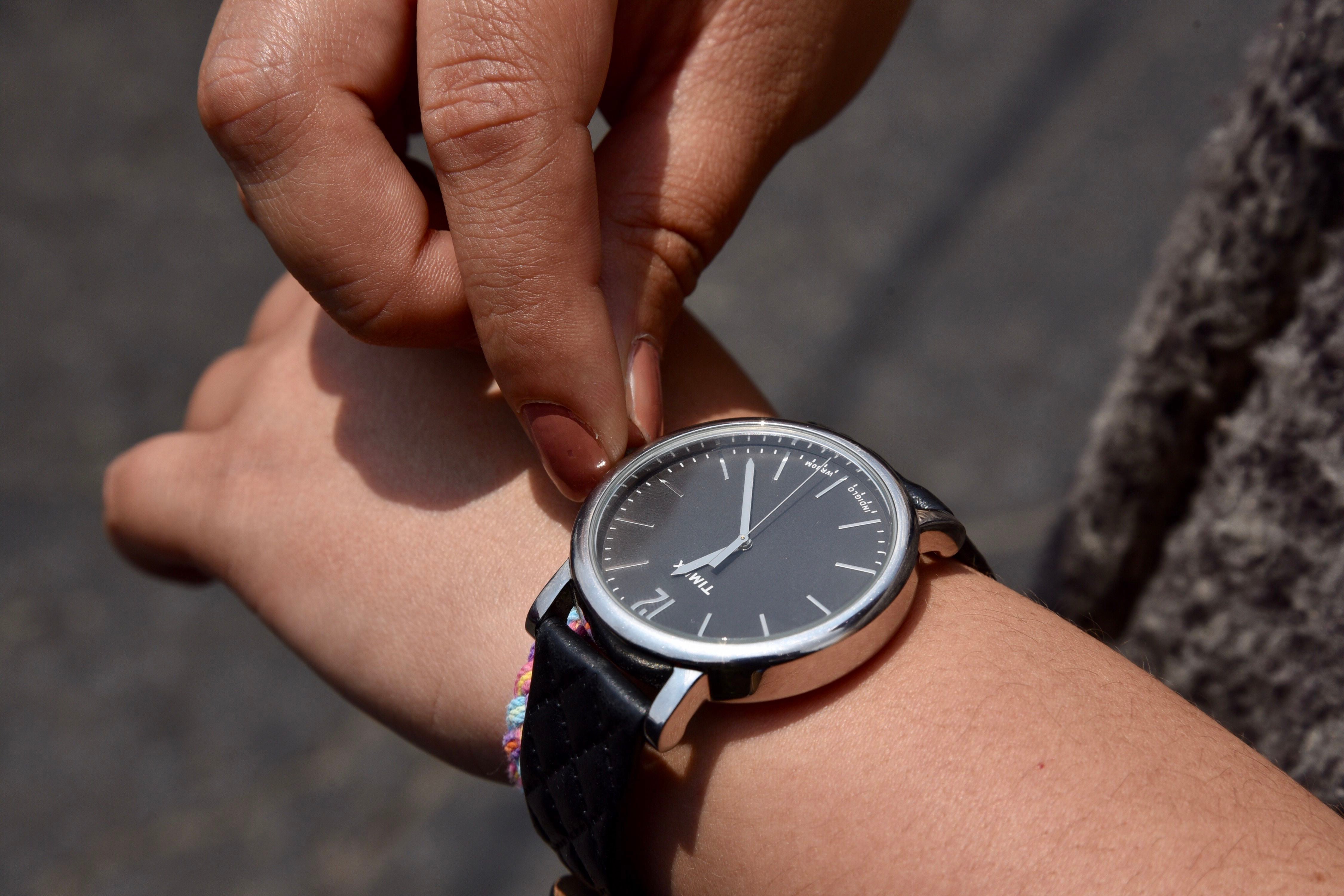
According to the National Metrology Center (CENAM), in the national territory, except for the border with the United States and the states of Quintana Roo and Sonora, daylight saving time starts on the first Sunday of April at 2:00 in the morning, when clocks will be moved forward by one hour.
The schedule ends on the last Sunday in October at 2:00 in the morning, at which time the clocks must be delayed by one hour. For this year, the clock will be brought forward on Sunday, April 3rd and will end on October 30th.
While on the border strip with the United States, daylight saving time will start on the second Sunday of March, 13, and will end on the first Sunday of November, 6.
In the states of Quintana Roo and Sonora, this measure does not apply.
KEEP READING:
Últimas Noticias
Debanhi Escobar: they secured the motel where she was found lifeless in a cistern
Members of the Specialized Prosecutor's Office in Nuevo León secured the Nueva Castilla Motel as part of the investigations into the case

The oldest person in the world died at the age of 119
Kane Tanaka lived in Japan. She was born six months earlier than George Orwell, the same year that the Wright brothers first flew, and Marie Curie became the first woman to win a Nobel Prize

Macabre find in CDMX: they left a body bagged and tied in a taxi
The body was left in the back seats of the car. It was covered with black bags and tied with industrial tape

The eagles of America will face Manchester City in a duel of legends. Here are the details
The top Mexican football champion will play a match with Pep Guardiola's squad in the Lone Star Cup

Why is it good to bring dogs out to know the world when they are puppies
A so-called protection against the spread of diseases threatens the integral development of dogs


