

In order to ensure that the human rights of minors are guaranteed, the Executive Secretariat (SE) of the National System for the Comprehensive Protection of Children and Adolescents (Sipinna) together with the Intersecretarial Commission for Social Reintegration and Post-Criminal Services of the Secretariat for Security and Protection Citizen (SSPC), launched a training course for federal and state prison authorities.
This is due to the situation of children and adolescents who see their lives related to a criminal situation, such as minors living with their mothers in prison, or those who are going to visit relatives deprived of their liberty.
At the same time, in the statement issued by the Ministry of the Interior, it was noted that the course covers those who are institutionalized or have special situations because they are a migrant population, with disabilities or ethnic diversity.
The course is designed in coordination with the Inter-American Children's Institute, the Regional Platform for the Defense of the Rights of Children and Adolescents with Incarcerated Mothers and Parents (NNAPES) in Latin America, the United Nations Children's Fund (UNICEF) in Mexico, social organizations, and experts in the field .
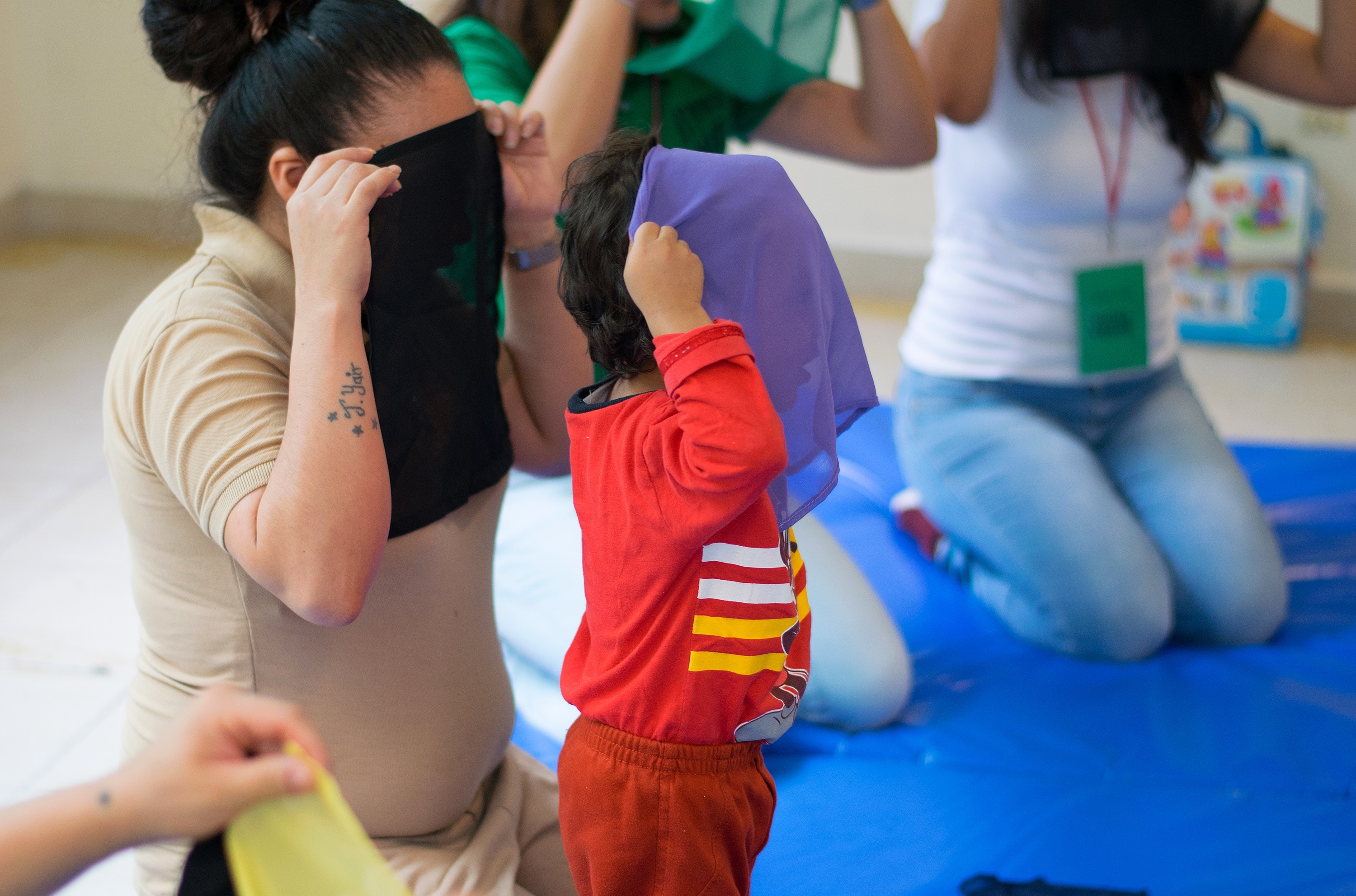
According to the Civil Association, Reinserta, 500,000 children have mothers and/or fathers in prison. In addition, according to the data of the same association, 10,000 children born in prison have been registered in the last 10 years.
In addition, according to Reinserta, 7 out of 10 pregnant women became pregnant inside the reintegration center; while 12% reported that they were pregnant at the time of their arrest. It should be noted that women who become pregnant during their prison sentence have the right to live with their children until they reach the age of 6.
According to the Legal Assistance for Human Rights AsiLegal, in Mexico, 86% of women deprived of their liberty in the prison system are mothers. This is not accompanied by the situation in prisons:
6,311 women mothers are placed in mixed prisons with the constant risk of being victims of sexual violence, abuse of authority and/or forced labor on behalf of the male population.
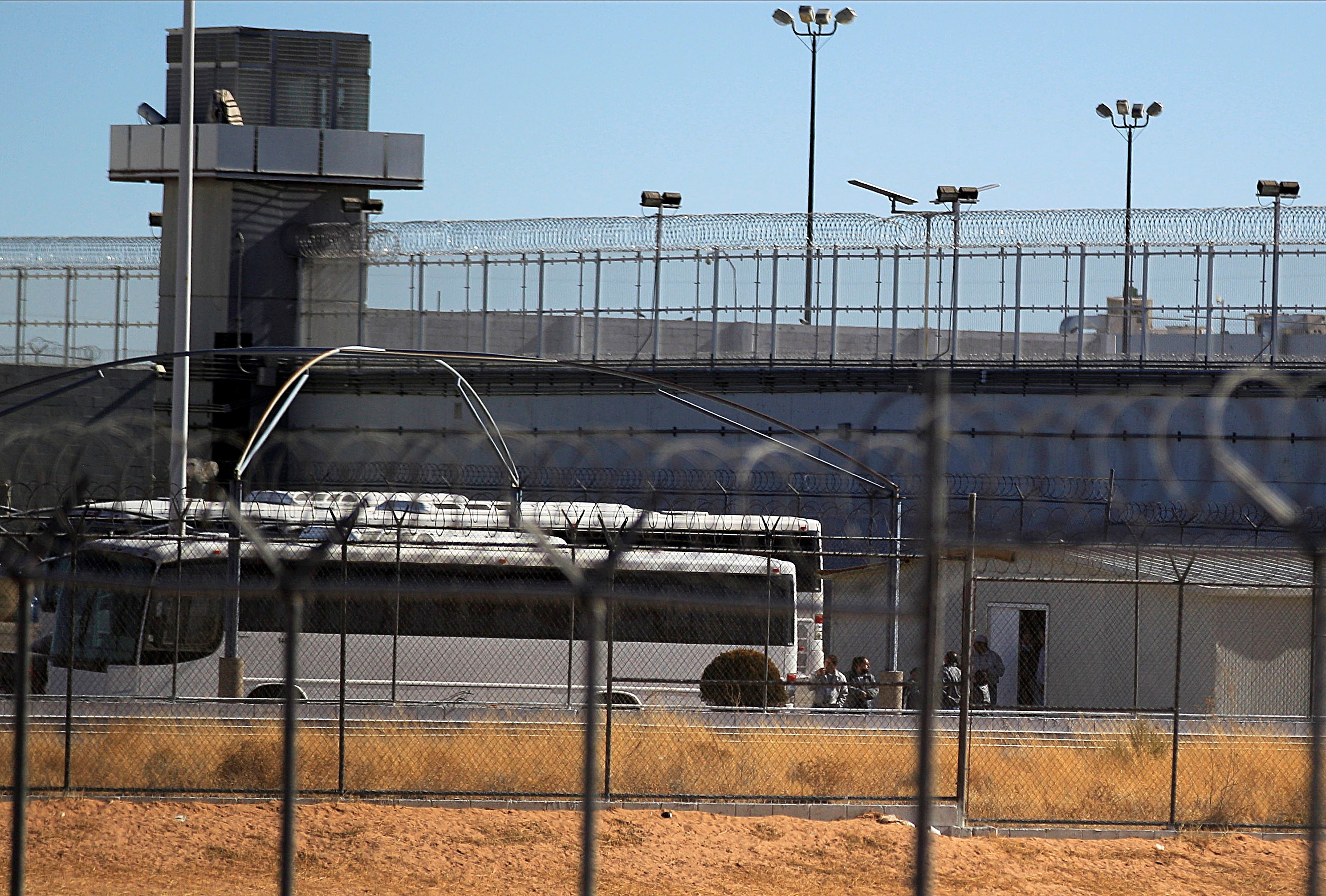
The Director of Policies for the Care and Promotion of Justice of the SE del Sipinna explained that the participation of the executive secretariat has consisted of support for the Strengthening the Family Link program.
Based on the joint work, the design and application of the Identification Card of Needs for children of persons deprived of liberty had been achieved, the statement said.
According to the monthly notebook of National Penitentiary Statistical Information, in January 2022 there was a total population of 223,385 persons deprived of their liberty, of which 194,575 belong to the common jurisdiction and 28 thousand 810 to the federal.
According to the information, 210,774 detainees are men, while there are 12,611 women in detention. It should be noted that currently, of the 216,310 units of prisons nationwide, 137 are overcrowded.
KEEP READING:
Últimas Noticias
Debanhi Escobar: they secured the motel where she was found lifeless in a cistern
Members of the Specialized Prosecutor's Office in Nuevo León secured the Nueva Castilla Motel as part of the investigations into the case

The oldest person in the world died at the age of 119
Kane Tanaka lived in Japan. She was born six months earlier than George Orwell, the same year that the Wright brothers first flew, and Marie Curie became the first woman to win a Nobel Prize

Macabre find in CDMX: they left a body bagged and tied in a taxi
The body was left in the back seats of the car. It was covered with black bags and tied with industrial tape

The eagles of America will face Manchester City in a duel of legends. Here are the details
The top Mexican football champion will play a match with Pep Guardiola's squad in the Lone Star Cup

Why is it good to bring dogs out to know the world when they are puppies
A so-called protection against the spread of diseases threatens the integral development of dogs


