

FIRST PART
(Bucha, Ukraine - Special Envoys) In Ukraine behind horror is not calm, there is more horror. And at the heart of that hidden horror, another. The spiral of barbarism left by the Russians in their passage through the small villages of the Kiev region is beginning to be discovered. First were the devastated streets of Irpin, then the first images of the lifeless bodies in Bucha, now more corpses and more devastation and a basement that smells of death and that inside there is, in fact... more death.
It is Monday night, back in Kiev after a visit to Bucha, after several hours of touring and recording the atrocities that President Volodymyr Zelensky himself classified as war crimes. From the day Ukraine regained control of that city, rumors began to spread through the capital. There was talk of a massacre. Then the first photos appeared, and little by little the civilians who were left alive were encouraged to leave their homes and shelters.
As you enter the place, you see many people go out into the streets disoriented. Some of them with a dislodged smile on their faces, just seeing the light of day, they are no longer afraid that a Russian soldier will shoot them. Others dare to narrate just what they experienced. One woman says that the invaders took the city very quickly and did not have time to leave, and that when she heard the bombings she hid in a mobile home that she has in the garden of her house. “I would open the refrigerator door and stand behind it to protect myself,” he says. Eventually, he managed to get to a shelter and spent almost a month there. The first thing he asks is what happened in the other cities. He thinks that the war is over, that Bucha was liberated because the Russians left the country, but he doesn't know that the invasion is still going on. Nothing was explained to him, the police order that he must continue on his way to the streets of the center.
The main avenue is a tank cemetery. You can only see the color of soot and rust, pieces of cannons lying around, scraps of steel, boots, gloves, cables, cement, raised asphalt. There is no subway on the avenue that is clean. At a certain point, the authorities say that you have to go straight to a specific place. That's where the Infobae team goes. The darkest discoveries continue to happen: what follows will be difficult to process. It crosses Bucha completely almost without stopping.
First you have to pass a train track, then a shopping mall, two cars crossed in the street with the words STOP painted on them; you cross a parking lot that was clearly a battlefield. It turns on one street, in another, a forest surrounds everything - in every corner of Bucha there seems to be a forest nearby - which was a quiet and fashionable area where the inhabitants of Kiev escaped to rest.
A site that looks like a campsite is presented to the Infobae team. At the entrance, painted on the walls, a large “V” would identify from the Russian troops of the East. There is a “V” made with red spray on either side of the entrance, not knowing if it is a warning or recognition. The first thing you see are two elongated, two-story buildings, painted in the colors of the Ukrainian flag. On the inside of the building are sandbags, a protection at the height of the bed so that bullets do not go through in the middle of the night.
The place is a camp for boys, the site of a summer colony. There are football fields, a huge park, different games. During the last month, however, it was used as one of the bases of Russian troops in Bucha. And there, in a basement, hidden in the dark so that it will not be seen, under the rooms in which hundreds of boys sleep every summer, horror. The thickets are felt in every breath, in the face of the policemen who guard and who have already seen what the world has not yet.
The person in charge of explaining what happened there is Anton Gerashchenko, former National Deputy and current Adviser to the Minister of the Interior of Ukraine. “We know who killed these people: it was Putin and his soldiers who brought to our land. This is genocide. It's a disaster, what happened here is very strong and everyone is going to pay for the crimes they committed,” he says.
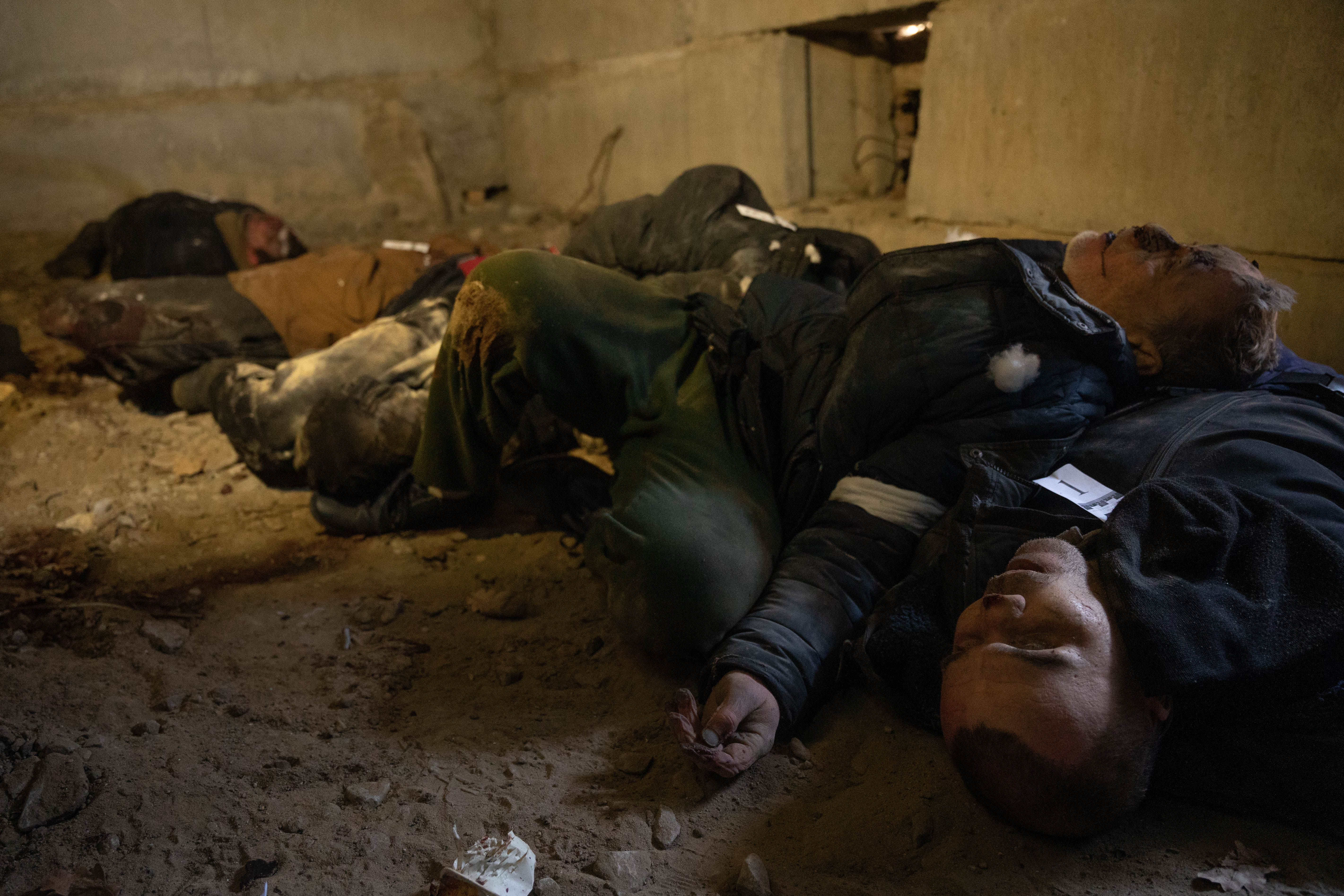
You can spend a short time in the place. There are ten steps down covered by leaves, clothes and boxes of food, supplies that the Russians used during the three weeks they occupied the camp. The door is open, just by reaching it you can feel the smell and heaviness inside. The floor is dirt, there is no light but a policeman lights up with a small reflector so that you can see what lies under there.
There are three bodies stacked on top of each other, two more a little further away. Five bodies in total, all men in civilian clothes, no badges or military garments. One of them has blows to the face and one eye is still open. There are traces of dried blood against a wall, and you can tell by the rigidity and condition of the bodies that died several days ago.
It is difficult to look at the faces, making the audiovisual record is suddenly the only protection, to look at the lens so as not to look at the facts. The encounter with a dead man in the war is more frightening than any bombing.
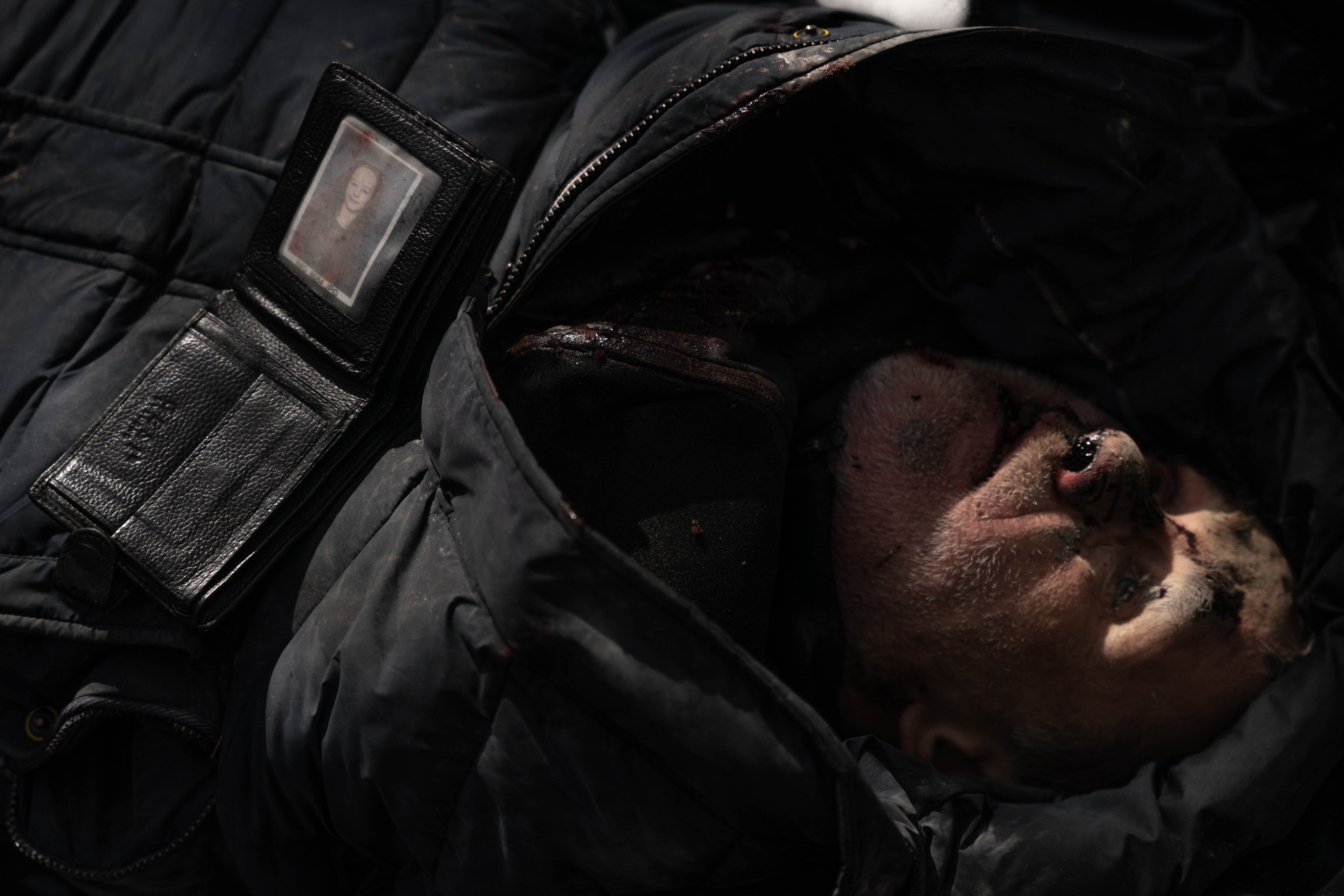
They don't know who they are yet. According to the press spokeswoman accompanying Gerashchenko, it is presumed that they were civilians of Bucha who were tortured (as shown by the beatings and the condition of some limbs), and then executed. In the wallet of one of them there is a picture of a young girl, possibly the daughter. He doesn't have documents on him. On each of the bodies there is a forensic cartel that identifies it with a number. They are, in this basement, dead people numbered from one to five.
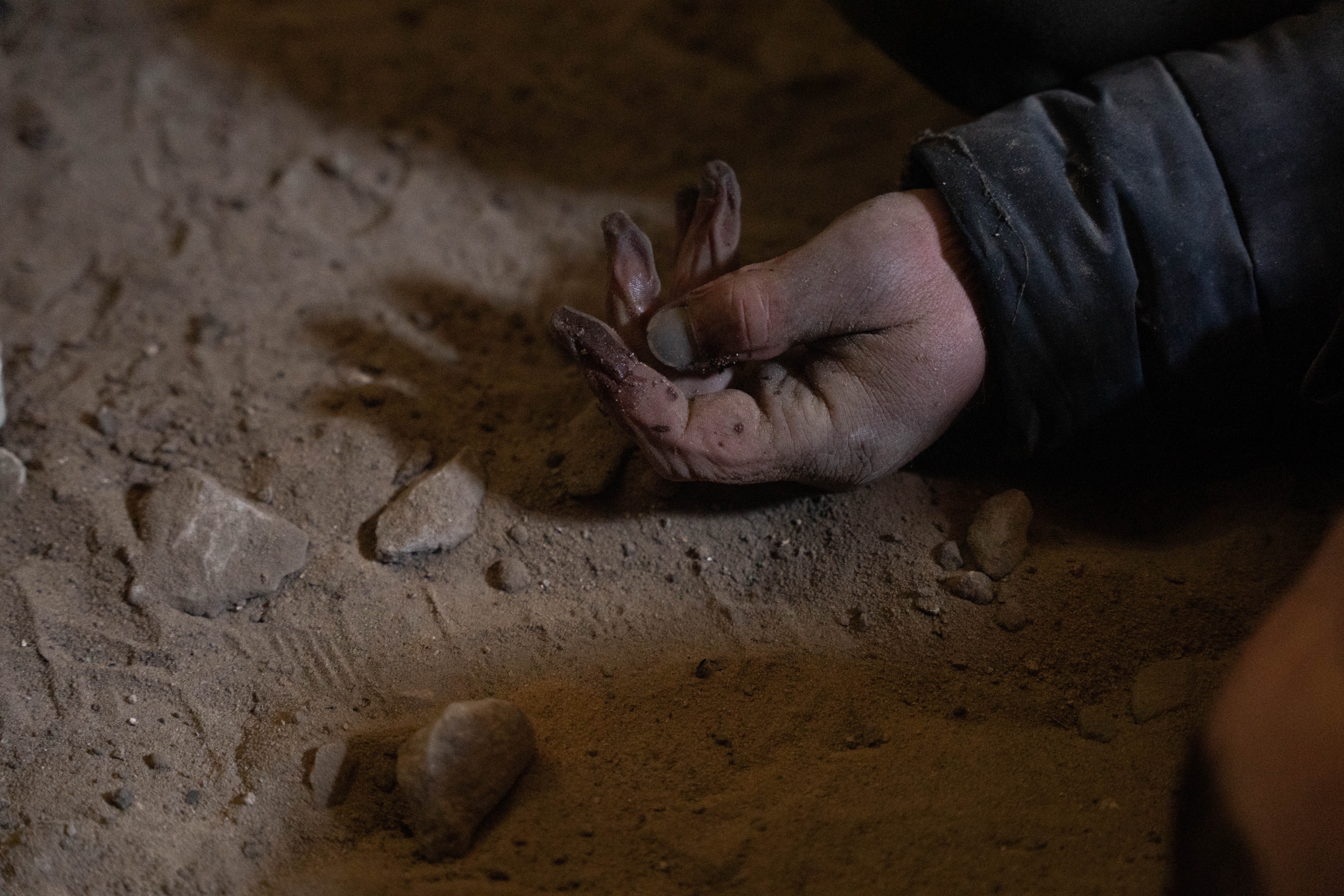
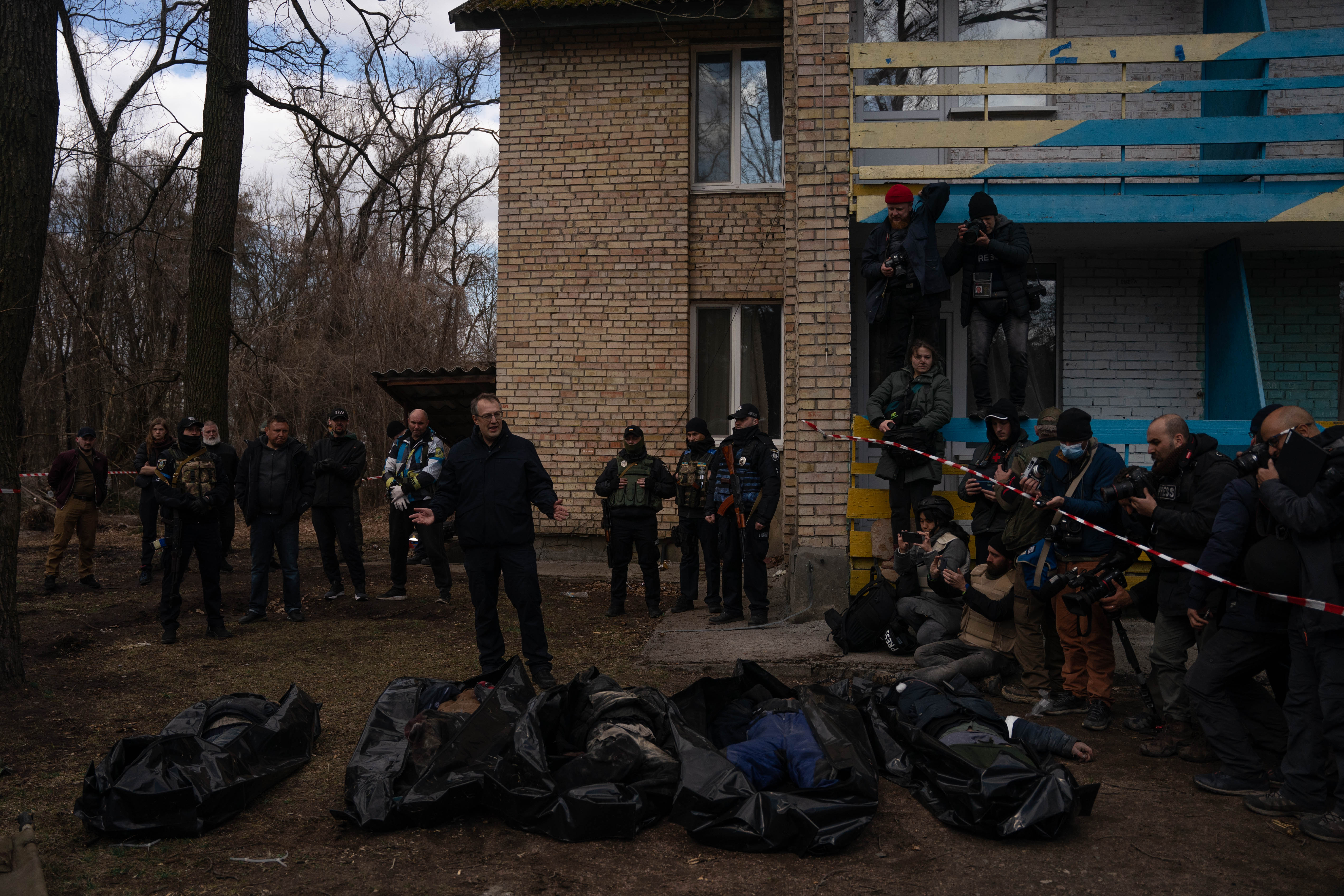
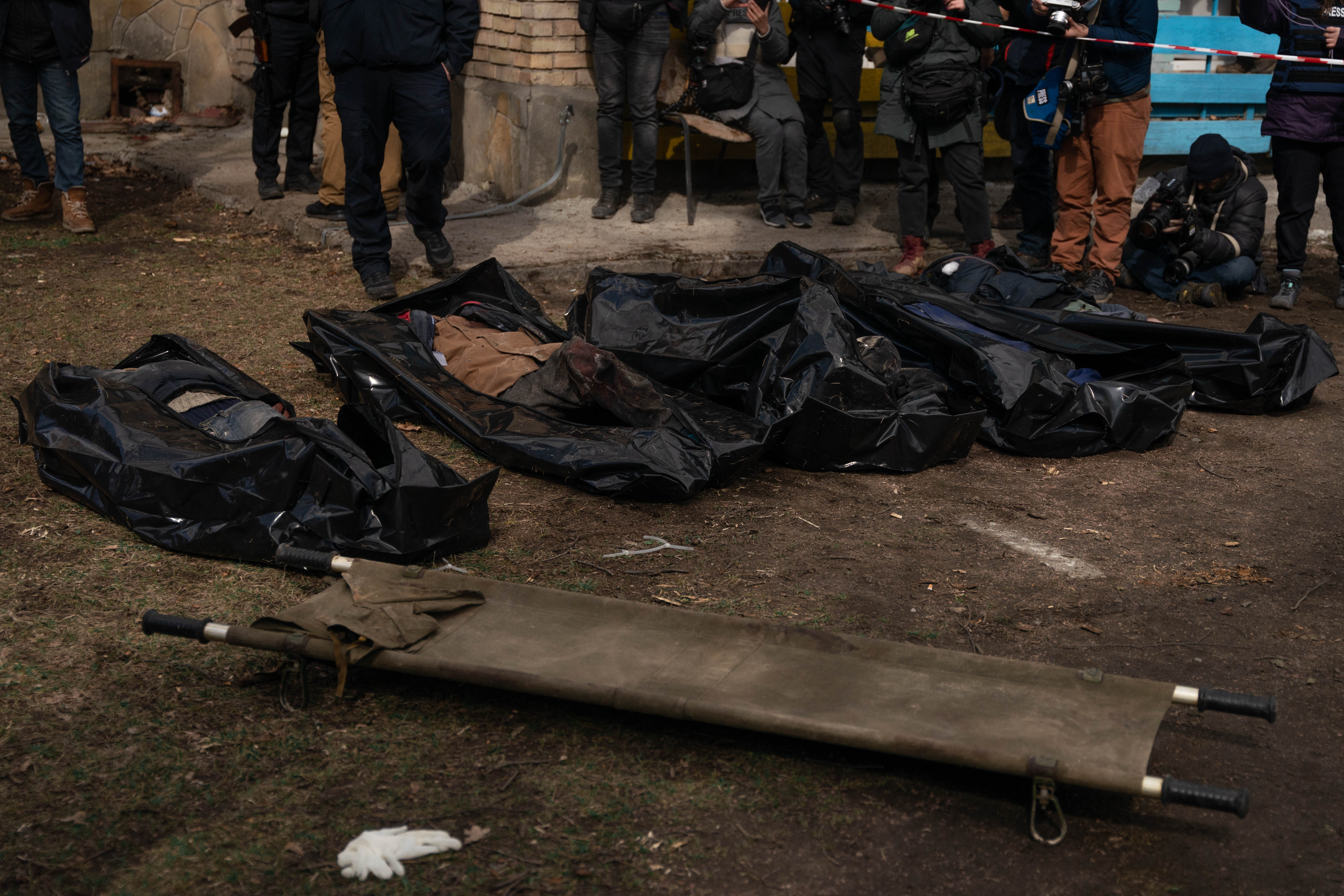
Half an hour later they take them one by one to the surface and put them in black bags. They ask that they be seen and recorded so that their story is told: “Here should be happy children of their lives, but instead the Russians made this a place of torture for the Ukrainians they took from the streets of Bucha. They were brought here, tortured and killed. You see their heads crushed, you see that they were shot dead with their hands tied,” says Gerashchenko.
Then they get into a white van and leave. The basement is empty but the smell is perpetuated. The forensic cops are left sorting the used bullets that were found next to the bodies. The army is outside the camp clearing the street and clearing the area. A celestial church rises at the exit of the place. The glass is broken and there is no faithful around.
KEEP READING:
Últimas Noticias
Debanhi Escobar: they secured the motel where she was found lifeless in a cistern
Members of the Specialized Prosecutor's Office in Nuevo León secured the Nueva Castilla Motel as part of the investigations into the case

The oldest person in the world died at the age of 119
Kane Tanaka lived in Japan. She was born six months earlier than George Orwell, the same year that the Wright brothers first flew, and Marie Curie became the first woman to win a Nobel Prize

Macabre find in CDMX: they left a body bagged and tied in a taxi
The body was left in the back seats of the car. It was covered with black bags and tied with industrial tape

The eagles of America will face Manchester City in a duel of legends. Here are the details
The top Mexican football champion will play a match with Pep Guardiola's squad in the Lone Star Cup

Why is it good to bring dogs out to know the world when they are puppies
A so-called protection against the spread of diseases threatens the integral development of dogs


