


The history of some of the most important cities in Mexico as we know them now, begins after the conquest of the country. One of these places, very important throughout history, is Toluca, the capital of the State of Mexico, the closest neighbor to Mexico City, which this Saturday, March 19, celebrates 500 years since it was founded.
However, previously this place had another name. Although there are no exact data on the pre-Hispanic foundation of Toluca, history indicates that in the seventh century it was populated by the Matlatzincas, and its original name was Nepintahihui, which means “Land of Corn”.
What gives rise to its current name is the Cerro del Toloche, located to the north of the city, which comes from Tolocan and which means “Where is the God Tolo, the one leaning on his head”. This name was assigned by the Mexicas, after conquering the territory in 1473.
In 1521, after the Spanish conquest, the city was recognized as Toluca de San José. There are indications that evangelization began here in 1524, with the rapid construction of the open chapel of the Holy Cross of the Otomies. In addition, chroniclers point out that Toluca was founded by the missionaries on March 19, 1522, dedicated to the worship of Saint Joseph, and imposing his name on them.
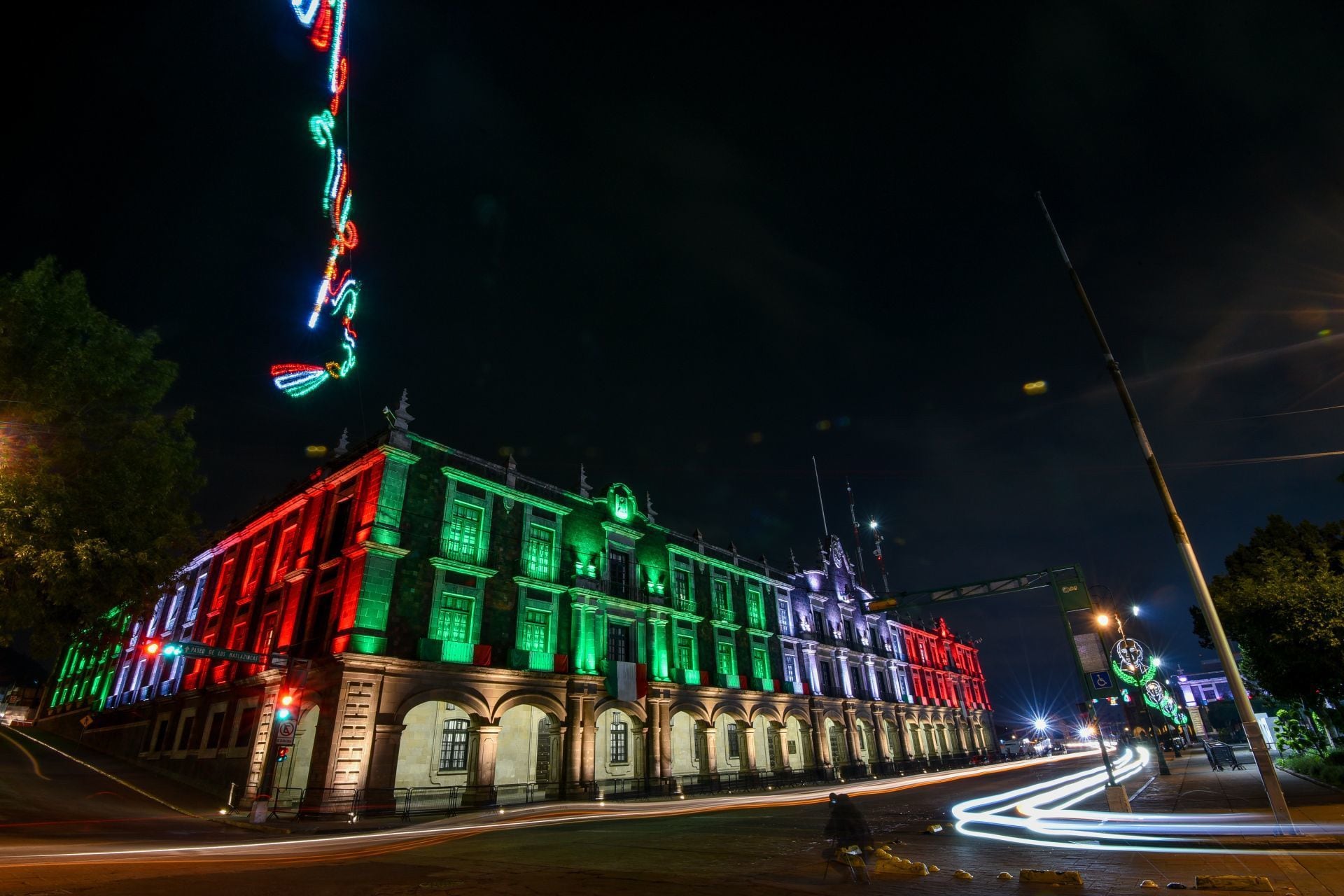
Toluca became a city until September 12, 1799, when Charles IV signed the royal card that gives it such status. Consequently, it ceases to belong to the Marquisate.
Although there was an old road that connected Toluca with the country's capital, it was until 1793 that construction began on the road that connects the Mexican capital with that of the country.
During the period of Mexico's independence, Hidalgo recruited only indigenous people from Toluca. In addition, he took this city as a place of passage on his way to Mexico City. In 1811, there was one of the most tragic episodes that the city of Toluca has suffered. The Insurgent Army, led by José María Oviedo and Cristóbal Cruz, Juan Canseco and Father Orcillés, besieged Toluca, threatening and putting in trouble Rosendo Porlier, who, having been humiliated by the siege and having to resort to his aid Captain De la Cueva, decides to shoot a hundred of indigenous people, in the place that is now known as “Plaza de los Martyrs”.
In 1820, Toluca once again had a town hall legally composed of a democratic Political Constitution. By 1830, Toluca became the fifth capital of the State of Mexico, and at the same time it hosted the Scientific and Literary Institute, founded in Tlalpan by Don Lorenzo de Zavala in 1828 and which currently houses the Rectory of the Autonomous University of the State of Mexico.
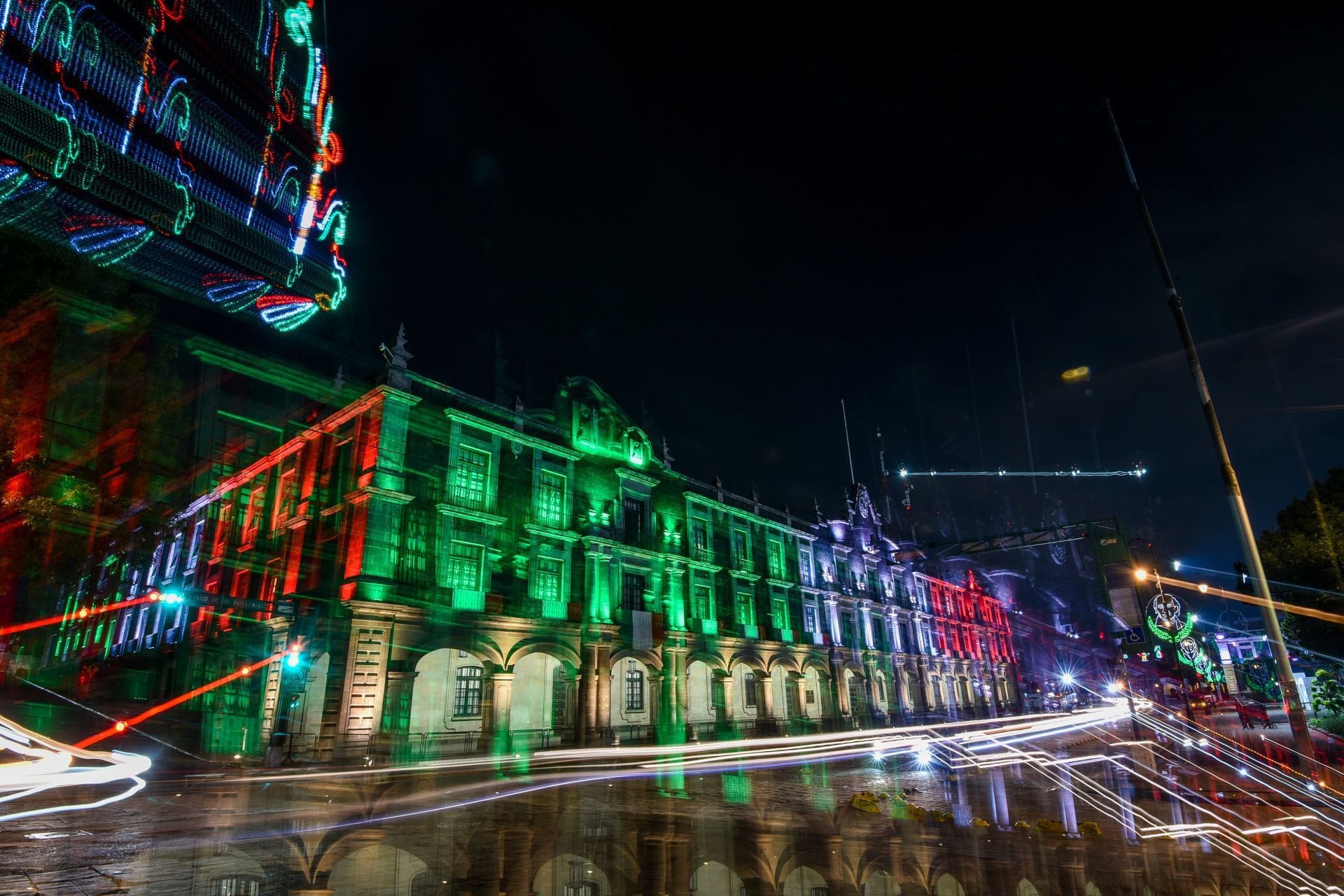
In 1861 by decree of the local Legislature, it took the name Toluca de Lerdo, in memory of Miguel Lerdo de Tejada.
During the Reformation War, the city had periods in which the conservative sector prevailed and others in which Juarism was advancing. In Toluca, the disentailment of clerical property took place on August 29, 1861 and was promulgated until 1875.
During the French intervention, Toluca was occupied by Bertier and Emperor Maximilian of Habsburg traveled to the Mexican capital and some of its nearby towns, being enthusiastically received. After 1869, Toluca experienced another era of urban improvement, Mariano Riva Palacio decided to transform the capital of the State of Mexico and hired the architect Arangoity, who imposed on the city a style classified by architect Mendiola Quezada as “Porfirian Neoclassical”. The construction of the portals also began and a cathedral was thought of. Thus, in 1888, the first electric lighting system that existed in Toluca was released.
Later, during the Revolution, Tolucan society was very active. The Zapatistas prowled the hills, and Madero visited the city and was received by the group of dissatisfied with the Diaz government.
Historically, it can be assured that in recent years Toluca has undergone one of its most radical transformations, since works have been carried out to update it by offering greater public services, speeding up its road circulation, and modernizing its entire infrastructure to support the commercial and industrial growth of the city.
KEEP READING:
Últimas Noticias
Debanhi Escobar: they secured the motel where she was found lifeless in a cistern
Members of the Specialized Prosecutor's Office in Nuevo León secured the Nueva Castilla Motel as part of the investigations into the case

The oldest person in the world died at the age of 119
Kane Tanaka lived in Japan. She was born six months earlier than George Orwell, the same year that the Wright brothers first flew, and Marie Curie became the first woman to win a Nobel Prize

Macabre find in CDMX: they left a body bagged and tied in a taxi
The body was left in the back seats of the car. It was covered with black bags and tied with industrial tape

The eagles of America will face Manchester City in a duel of legends. Here are the details
The top Mexican football champion will play a match with Pep Guardiola's squad in the Lone Star Cup

Why is it good to bring dogs out to know the world when they are puppies
A so-called protection against the spread of diseases threatens the integral development of dogs


