


This Friday William Barr, former US Attorney General, said in an interview with Fox News that in his opinion the president of Mexico, Andrés Manuel López Obrador, has already lost control of the country in the face of drug trafficking groups and was concerned that their financial capacity would allow them at any given time. share sovereignty with the authorities themselves.
Since 2020, the US government has warned that there are nine criminal organizations in Mexico with a financial structure and firepower capable of putting the government apparatus in Mexico in serious trouble, thus becoming a security threat to the neighbor to the north itself.
William Barr recalled this Friday: “I went there a couple of times (to Mexico) to see if we could tighten the backbone of this president (López Obrado) who believes in hugs, not bullets, and they are losing.”
Barr pointed out that the economic power of organized crime has already exceeded the security system of the Mexican state, since cartels “have tens of billions of dollars. They can corrupt whoever they want and they have armies dressed as military and armored vehicles.”
The former official expressed concern that the Mexican authorities could “share sovereignty with the cartels and arrive at a modus vivendi with them.”
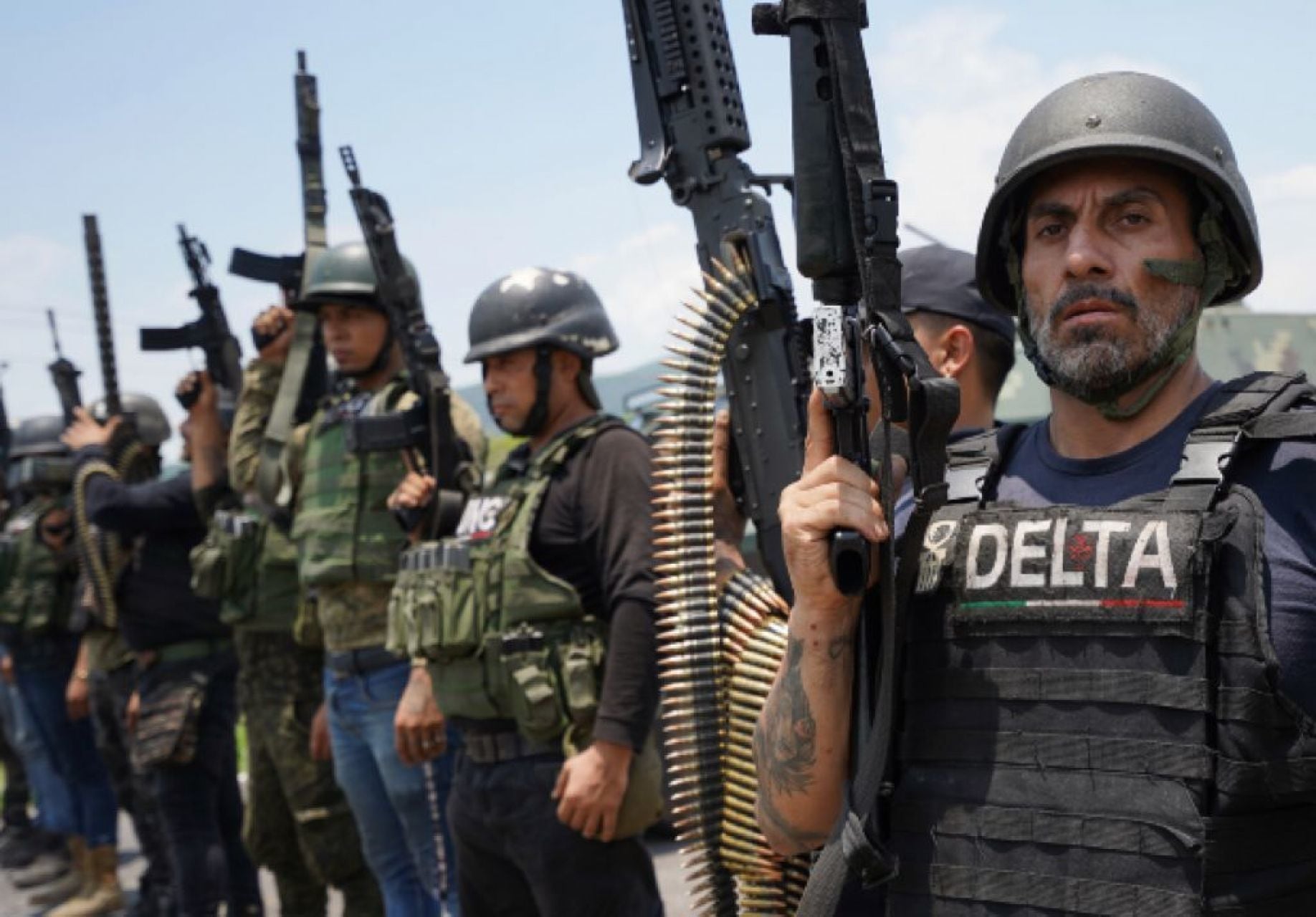
But not only does Barr consider that Mexico is losing the war to drug trafficking, in 2021 General Glen VanHerk, chief of the country's Northern Command, estimated that between 30 and 35% of Mexican territory suffers from an absence of the Mexican state and is already under the control of organized crime. In these territories, criminals expanded their activities to kidnapping and collecting flats, forcing the population to move out of their communities and, in many cases, to try to emigrate to the North American nation.
The phenomenon of displaced persons due to the violence of organized crime has spread throughout the country, from Chiapas, through Guerrero, Michoacán and recently Zacatecas. Only in March 2022 did a group of people from Jerez, in the Sierra de Zacatecas, go to the National Palace to directly ask President Andrés Manuel López Obrador for support in order to return to their areas of origin safely.
In 2020, the Drug Enforcement Administration (DEA) identified the nine most influential Mexican cartels in the United States. In the National Drug Threat Assessment 2020 report, those responsible are the Sinaloa Cartel, the Jalisco New Generation Cartel, the Beltrán Leyva Organization, the Northeast Cartel and Los Zetas, as well as Guerreros Unidos, the Gulf Cartel, the Juarez and La Línea Cartel, La Familia Michoacana, and Los Rojos.
These criminal groups are reported to export fentanyl, heroin, methamphetamine, cocaine, and marijuana to the United States annually. For the DEA, “China remains a key source of supply for the chemical precursors that Mexican cartels use to produce the large quantities of fentanyl they smuggle.”
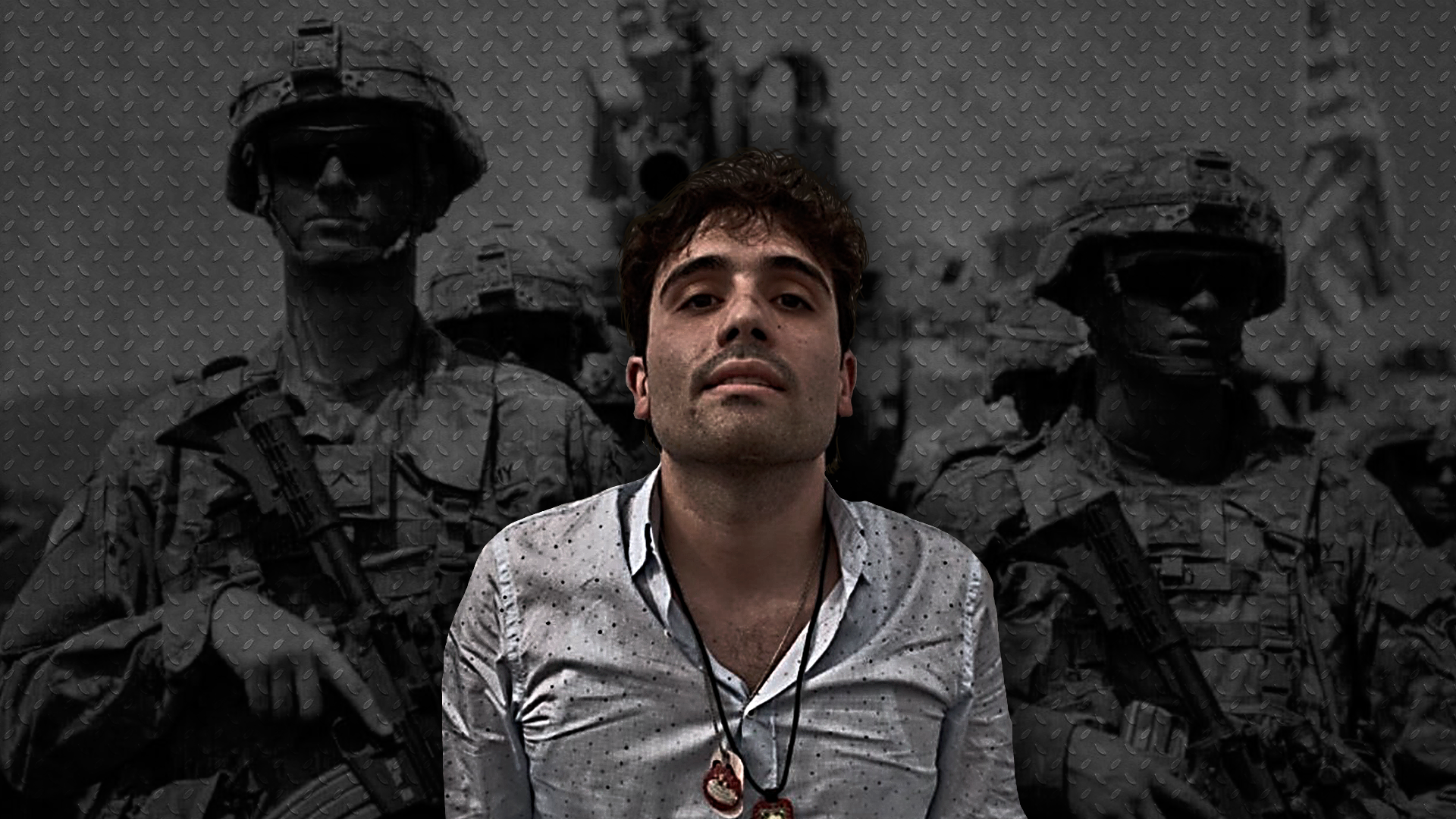
After the failed operation in October 2019 in which federal forces arrested and later released Ovidio Guzmán, the president assured that he was the one who made the decision to avoid a bloodbath in Culiacán, after hit men from the Sinaloa cartel spread chaos in the city to rescue one of Joaquín's sons the Chapo Guzman. Regarding the release of the alleged drug trafficker, López Obrador said: “If we did good or did wrong, history will tell.”
After this event, the United States government offered a reward of 20 million dollars for each of the children of El Chapo Guzmán, a situation that was not too liked by that of Mexico, where López Obrador assured that our country is sovereign and he alone is responsible for the detention of criminals in its territory.
The president of Mexico said that the US had the right to fight drug traffickers, but insisted: “We are the ones who have to do our job according to the investigations (...) There is no impunity for anyone.”
KEEP READING:
Últimas Noticias
Debanhi Escobar: they secured the motel where she was found lifeless in a cistern
Members of the Specialized Prosecutor's Office in Nuevo León secured the Nueva Castilla Motel as part of the investigations into the case

The oldest person in the world died at the age of 119
Kane Tanaka lived in Japan. She was born six months earlier than George Orwell, the same year that the Wright brothers first flew, and Marie Curie became the first woman to win a Nobel Prize

Macabre find in CDMX: they left a body bagged and tied in a taxi
The body was left in the back seats of the car. It was covered with black bags and tied with industrial tape

The eagles of America will face Manchester City in a duel of legends. Here are the details
The top Mexican football champion will play a match with Pep Guardiola's squad in the Lone Star Cup

Why is it good to bring dogs out to know the world when they are puppies
A so-called protection against the spread of diseases threatens the integral development of dogs


