

Antarctic ice surface lakes, also known as supraglacial (SGL), have been linked to the collapse of the ice shelf and subsequent acceleration of inland ice flow, but SGL observations remain relatively scarce and their inter-annual variability is largely unknown. This makes it difficult to assess whether some ice shelves are close to stability thresholds under climate warming.
A new research, the first of its kind, which surveyed the surface meltwater lakes near the Antarctic ice sheet for seven years, found that the volume of lakes there has been wide increases year by year. This conclusion provides possible new conclusions on the potential impact of climate change on that continent.
The study was led by Durham University in the United Kingdom. To complete it, more than 2,000 images obtained by the Landsat 8 satellite that recorded the edge of the East Antarctic ice sheet were analyzed. Its objective was to survey the size and volume of SGL between 2014 and 2020. The document was joined by the universities of Newcastle and Lancaster and the Georgian Institute of Technology
The research found that water volumes vary every season, even with records exceeding 200% in floating ice sheets, reaching an average, according to the data collected, of 72%. The same document revealed that the lakes analyzed were deeper and expanded in the warm seasons thanks to the thaw. In addition, they observed that some of them were formed on floating platforms that, thanks to the presence of the lakes, could become future thaws.
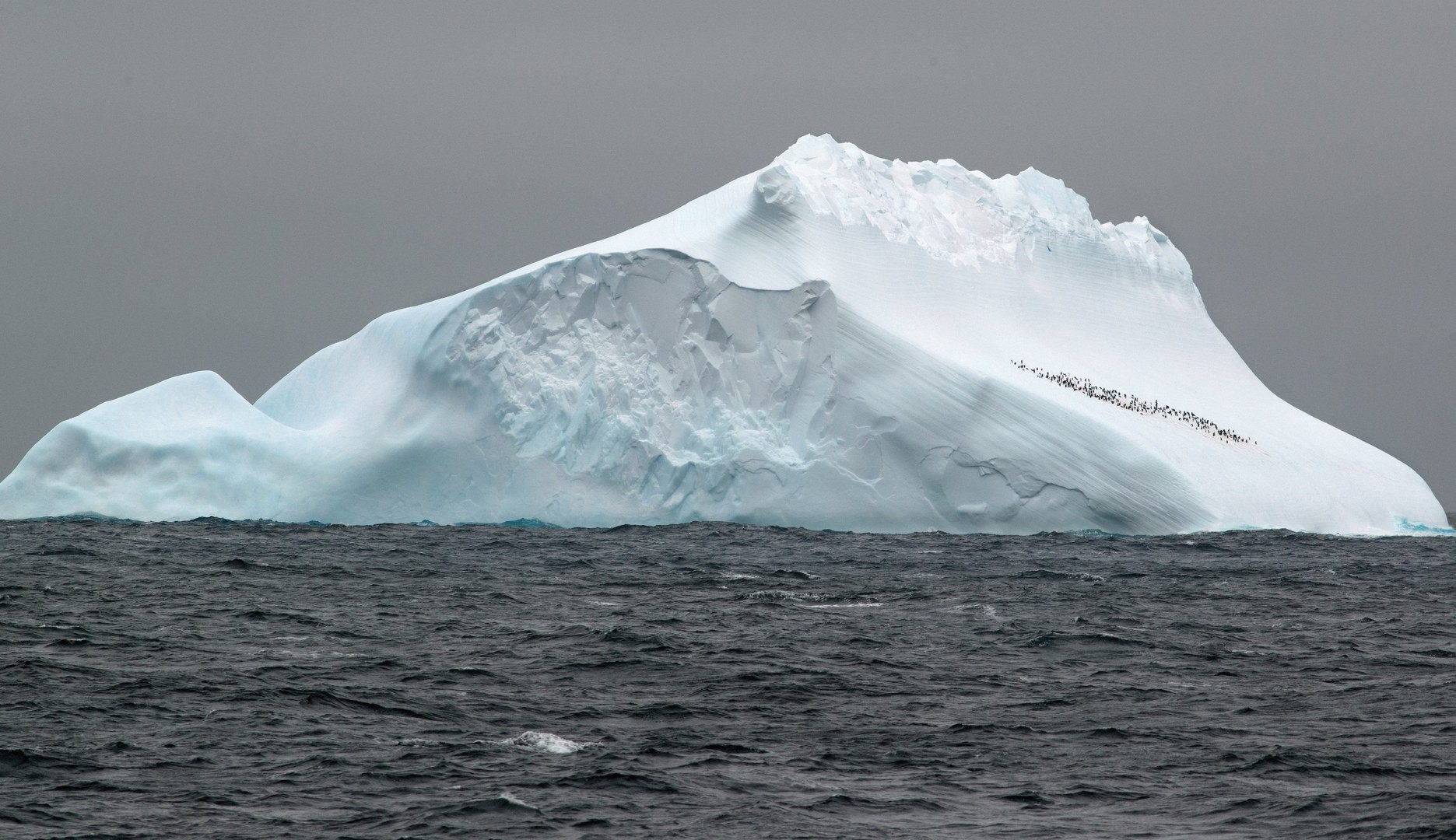
The research, which was published in the scientific journal Nature Communication, represents a vanguard in the study of meltwater lakes for several years, allowing the analysis of variations in each season and exploring how they modify their depth, flow rate and dimensions. According to the authors, “the study provides vital information about why and where lakes grow, and will help to understand which ice shelves may be most at risk of breaking as a result of surface melting.
Jennifer Arthur, lead author of the paper and expert in the Department of Geography at Durham University, stated: “We knew that supraglacial lakes were more extensive than previously thought around the East Antarctic ice sheet, but until now we only had snapshots of these in some years. Our study reveals that these lakes change in scale much more than we originally suspected. We were surprised at how much lakes can change from year to year between ice shelves.”
The researchers analyzed the possible causes of these actions and confirmed that the highest summer temperatures on the white continent were linked to the recorded growth of the lakes. “Due to climate change,” she continued, “the air temperature in Antarctica will continue to rise and our study suggests that this will lead to an increase in the number and volume of supraglacial lakes, which in turn will put some ice shelves in East Antarctica at risk of collapse.”
The ice of East Antarctica, the portion analyzed by this document, is considered the largest volume of ice in the world. Its ice flow would be, if melted, capable of raising the levels of seas and oceans by 52 meters around the planet. The floating layers that separate from the main ice structure favor its movement towards the oceans, which, in turn, leads to an increase in the level of the oceans.
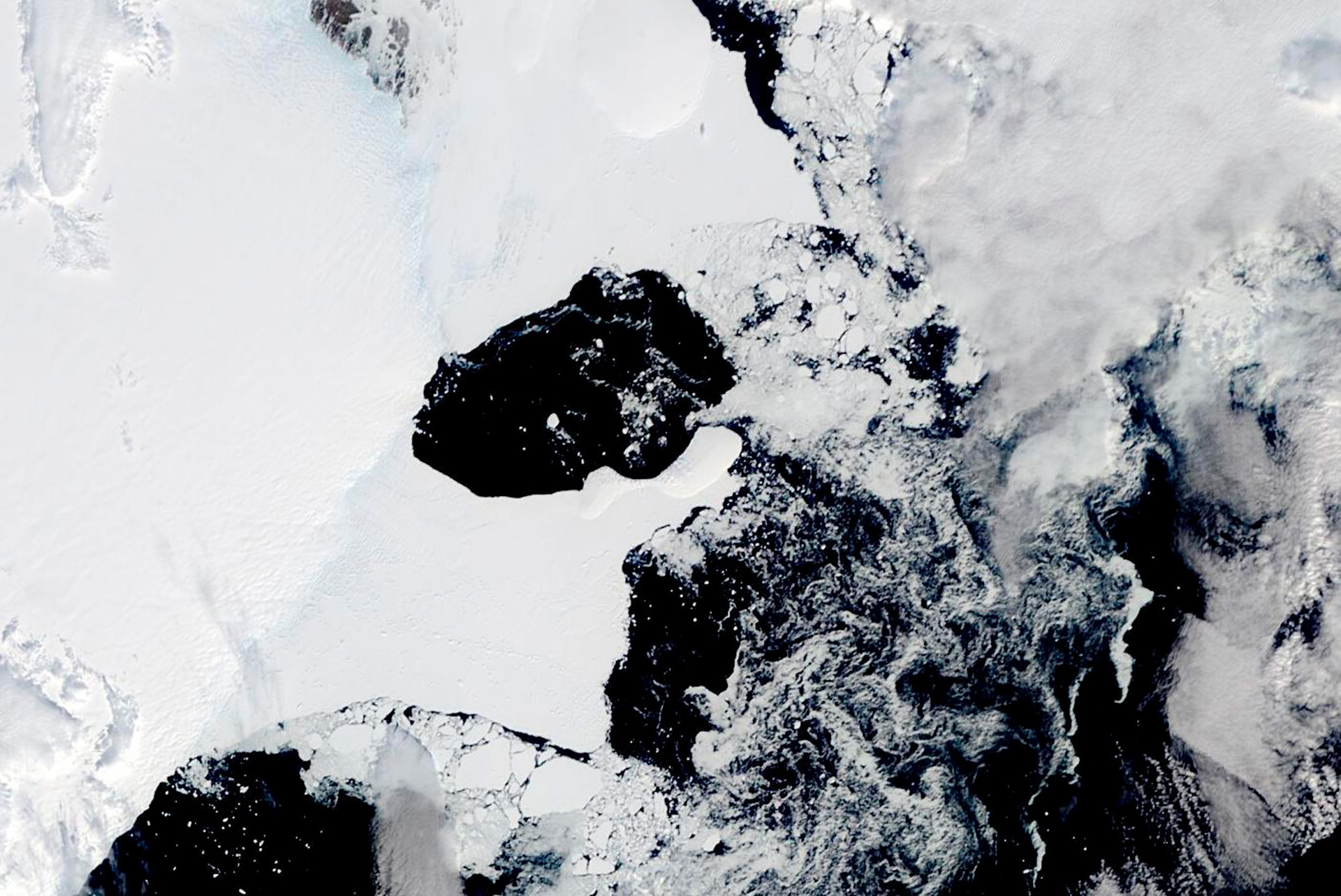
Previous analyses of the SGL were almost non-existent. The record of variability of its flow was a pending matter for scientists. An issue that made it difficult to analyze their consequences on floating platforms and also to determine the possibility of new blocks of ice separating from the continent. With this pioneering document, it will be possible to understand the emergence and evolution of SGL and their consequent climate impacts.
At the same time, it can accompany with political decisions accordingly. According to the experts, their conclusions will also “improve the accuracy of regional climate models used to replicate observations and predict future changes in the ice sheet in Antarctica”, as cited in the research.
KEEP READING
Últimas Noticias
Debanhi Escobar: they secured the motel where she was found lifeless in a cistern
Members of the Specialized Prosecutor's Office in Nuevo León secured the Nueva Castilla Motel as part of the investigations into the case

The oldest person in the world died at the age of 119
Kane Tanaka lived in Japan. She was born six months earlier than George Orwell, the same year that the Wright brothers first flew, and Marie Curie became the first woman to win a Nobel Prize

Macabre find in CDMX: they left a body bagged and tied in a taxi
The body was left in the back seats of the car. It was covered with black bags and tied with industrial tape

The eagles of America will face Manchester City in a duel of legends. Here are the details
The top Mexican football champion will play a match with Pep Guardiola's squad in the Lone Star Cup

Why is it good to bring dogs out to know the world when they are puppies
A so-called protection against the spread of diseases threatens the integral development of dogs


