


President Joe Biden will announce Thursday the release of a record one million barrels of oil per day over a six-month period. It will use US strategic reserves in an attempt to curb rising fuel prices following Russia's attack on Ukraine, the White House said.
“After consulting with allies and partners, the president will announce the largest release of oil reserves in history, putting an additional million barrels per day on the market on average, every day, for the next six months,” a statement said, confirming the expectations of the dramatic move.
“The scale of this liberation is unprecedented: the world has never had a release of oil reserves at this rate of one million a day for so long. This record-breaking release will provide a historic amount of supply to serve as a bridge until the end of the year when domestic production increases.”
The move will throw a significant amount of supply to the overheated global oil market, which has sent inflationary shockwaves through the US and European economy.
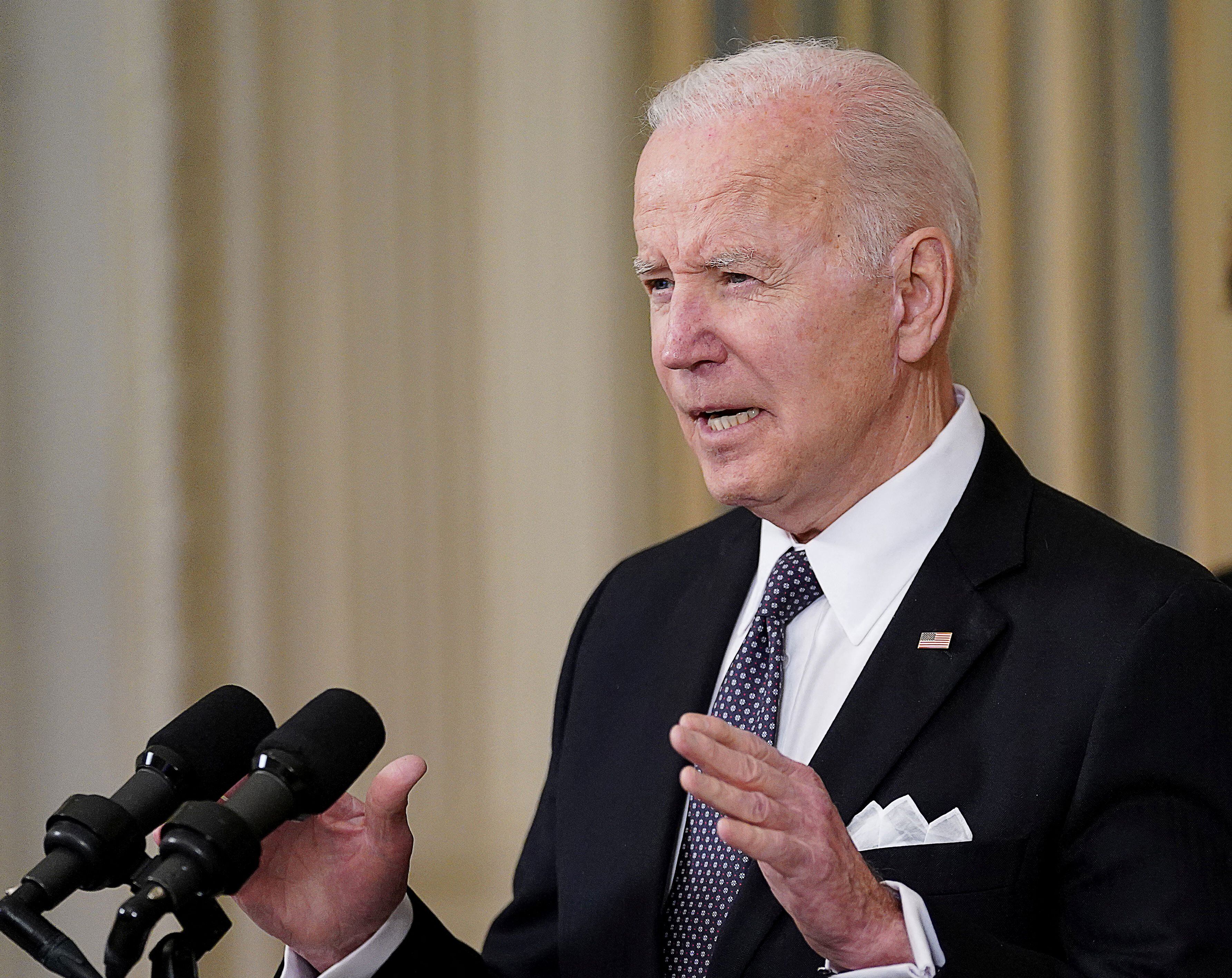
The White House is striving to find a way to show Americans that Biden has a solution to a problem rooted in the aftershocks of the Covid pandemic and the brutal war unleashed by President Vladimir Putin.
Liberation would amount to increasing global supplies by about one percent. Biden plans to set out the details in a speech later on Thursday.
Oil prices fell sharply following initial reports of the plan, which came when the group of oil exporters OPEC+ decided to increase production only modestly despite the increase in crude oil prices following the decision of key energy supplier Russia to invade Ukraine.
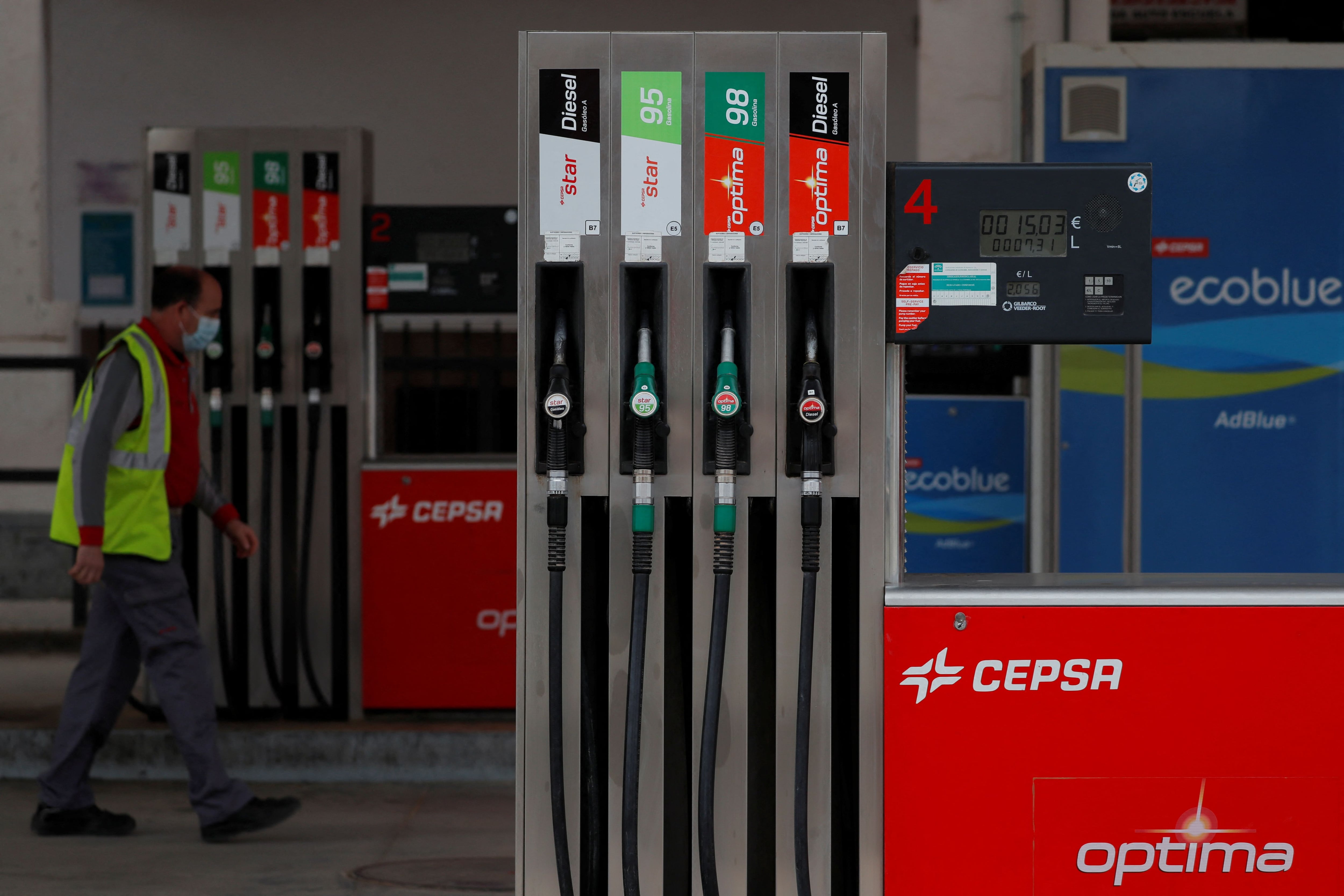
Despite a strong recovery economy and the rapidly receding Covid-19 pandemic, Biden is receiving little credit from voters, who instead blame him for rising prices everywhere, from the supermarket to car dealerships.
The supply chain drawbacks associated with the different rates of economic recovery around the world are part of the phenomenon of inflation. However, behind this politically dangerous trend is also fuel costs, which in turn drive up transport prices for almost all goods.
Gasoline prices currently average $4.23 per gallon, up 47 percent from a year ago.
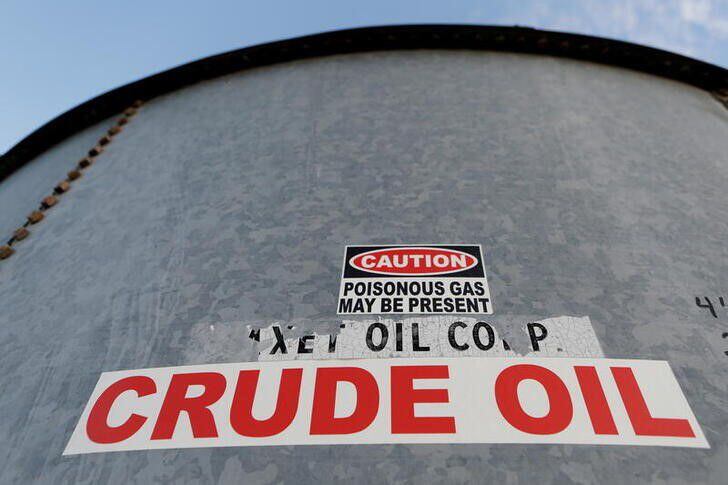
The price of the US benchmark West Texas Intermediate fell 4.6 percent to $102.89 a barrel, while Brent oil futures fell 5.5 percent to $107.20 a barrel.
Oil prices rose by nearly $140 per barrel in March over concerns about Russia's loss of crude oil supply, as some “self-sanctioned” oil buyers rejected Russian crude in the wake of international sanctions against Moscow.
Prices have fallen somewhat since the United States banned imports of Russian energy on March 8, but have remained above $100 a barrel for most of the subsequent period.
(with information from AFP)
KEEP READING:
Últimas Noticias
Debanhi Escobar: they secured the motel where she was found lifeless in a cistern
Members of the Specialized Prosecutor's Office in Nuevo León secured the Nueva Castilla Motel as part of the investigations into the case

The oldest person in the world died at the age of 119
Kane Tanaka lived in Japan. She was born six months earlier than George Orwell, the same year that the Wright brothers first flew, and Marie Curie became the first woman to win a Nobel Prize

Macabre find in CDMX: they left a body bagged and tied in a taxi
The body was left in the back seats of the car. It was covered with black bags and tied with industrial tape

The eagles of America will face Manchester City in a duel of legends. Here are the details
The top Mexican football champion will play a match with Pep Guardiola's squad in the Lone Star Cup

Why is it good to bring dogs out to know the world when they are puppies
A so-called protection against the spread of diseases threatens the integral development of dogs


