


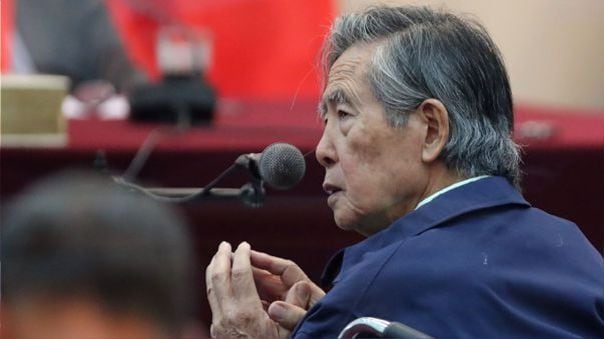
Last Thursday, March 17, the Constitutional Court voted in majority in favor of the habeas corpus appeal filed by lawyer Gregorio Park so that former president Alberto Fujimori grant him the pardon that would release him on humanitarian grounds. In 2009, the former president received a 25-year prison sentence for being the mediate perpetrator of the crimes of Barrios Altos (1991) and La Cantuta (1992), perpetrated by a Peruvian army paramilitary group known as the Colina Group. He is also accused of his involvement in the kidnappings of journalist Gustavo Gorriti and businessman Samuel Dyer.
To learn a little more about this bloody regime, described as one of the worst in the history of Peru by the events of deaths and disappearances, check out this list of films and documentaries that were filmed in our country.
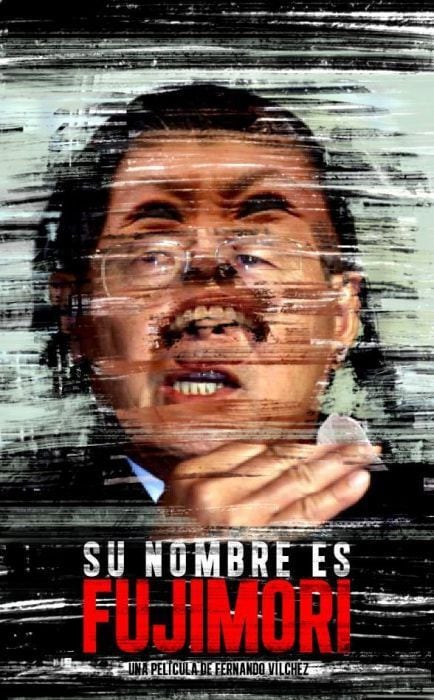
His name is Fujimori
Directed by Fernando Vílchez, this documentary revives the most important moments of Alberto Fujimori's government (between 1990 and 2001): from his coming to power to the most controversial events that made him a dictator. The images and interviews delve into the abuses committed by the former president, the denunciation of forced sterilizations and the national mobilization in 2000, which became known as the March of His Four. The production was released in 2016, as part of the candidacy of his daughter, Keiko Fujimori, for the presidency of Peru. It can be viewed for free on Vimeo.
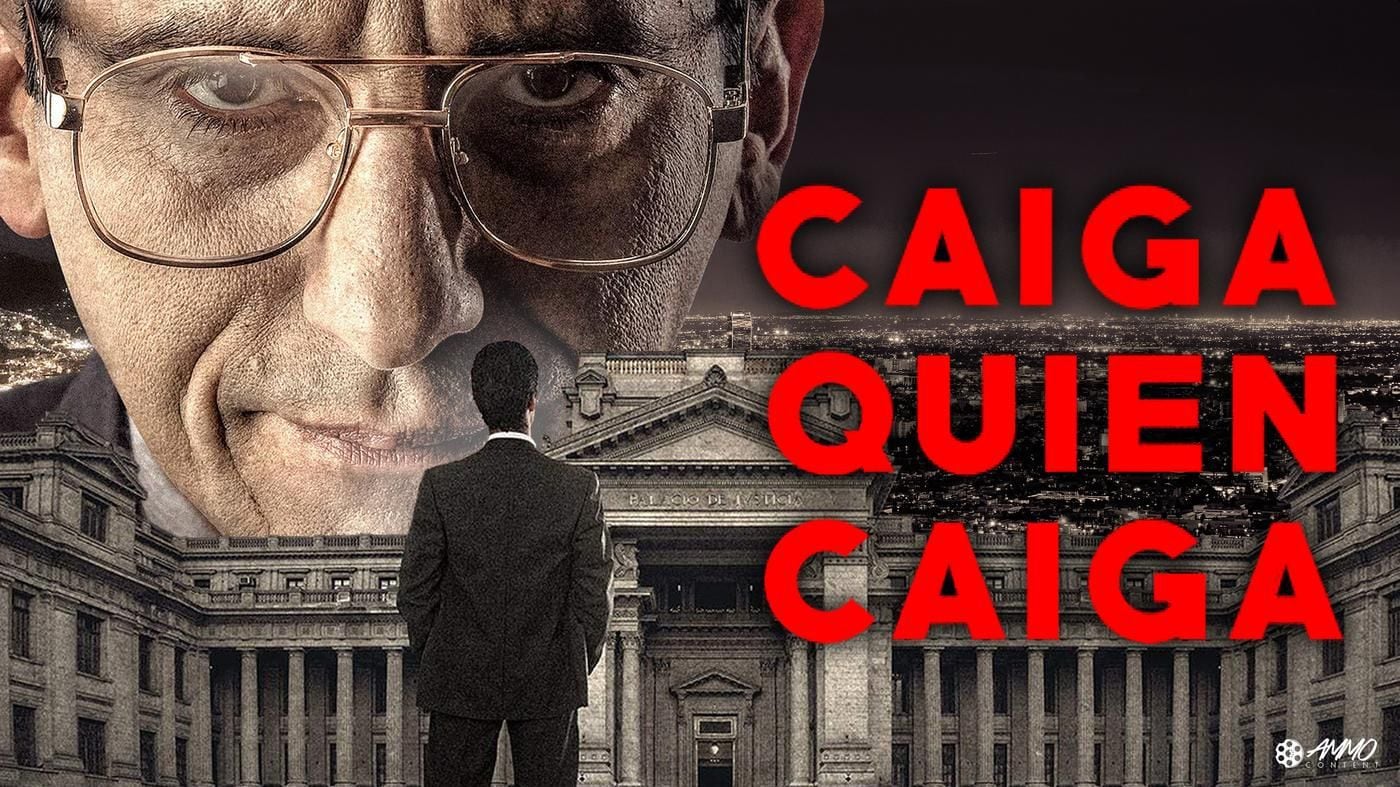
Whoever falls
While this film does not focus directly on Fujimori, it deals with one of the characters closest to him and his regime: Vladimir Montesinos. Actor Miguel Iza plays the presidential adviser in this story directed by Eduardo Guillot Meave, which narrates the events from the publication of the first vladivideo. In this recording, the head of the Peruvian National Intelligence Service (SIN) offers a sum of money to Alberto Kouri, an opposition congressman, to vote for the government in parliament.
When this political crisis explodes, Montesinos flees to confinement in Panama, but ends up returning to Peru to be imprisoned for acts of corruption, conspiracy, forced disappearance, qualified homicide and more crimes committed during the internal armed conflict. It's available to watch on Prime Video.
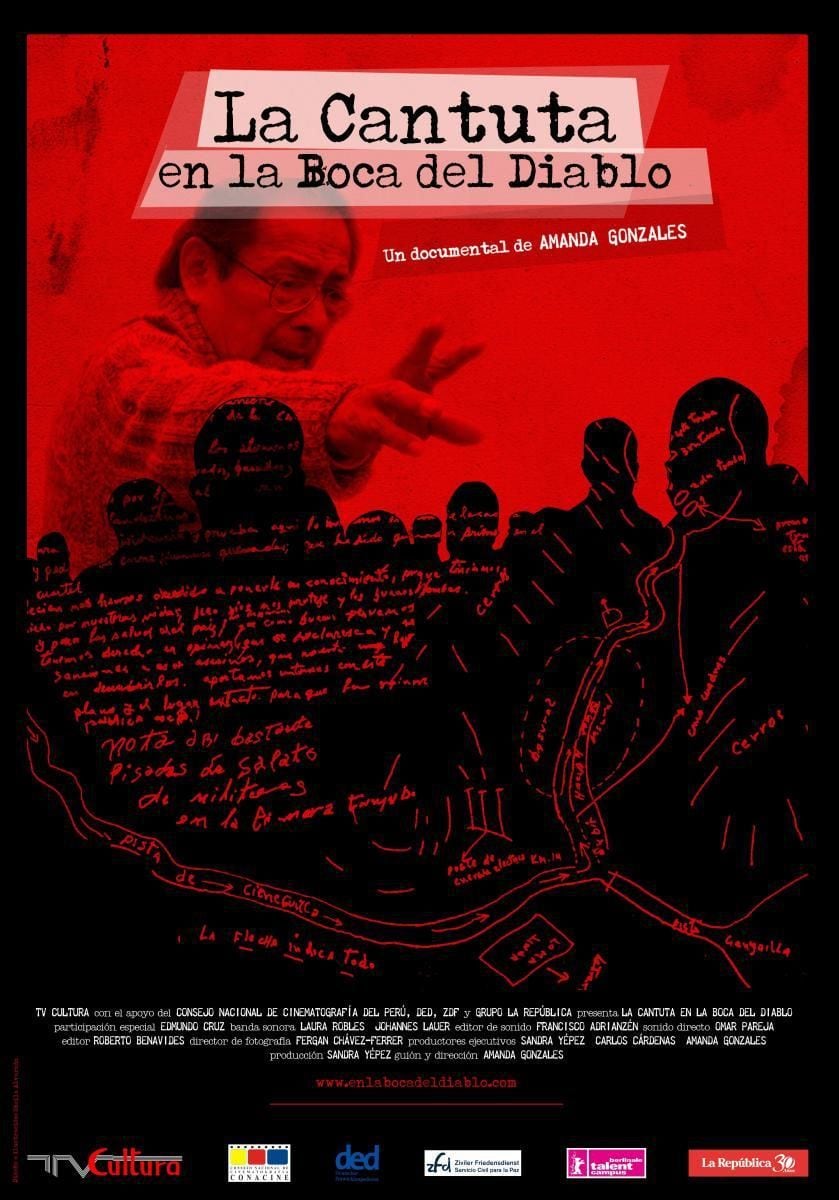
La Cantuta: in the mouth of the devil
Amanda González directs documentary focused on the investigation of Edmundo Cruz, a journalist who was key to finding evidence of the accusations against Alberto Fujimori in the La Cantuta case. He details his extensive work investigating the massacre at the Enrique Guzmán y Valle National University of Education, where a professor and nine students were kidnapped and disappeared by Grupo Colina, a paramilitary division of the Peruvian army that operated between 1990 and 1992. When extradited from Chile, the former president of Peruvian-Japanese nationality was sentenced to 25 years in prison for crimes against humanity. In the Prime Video catalog.
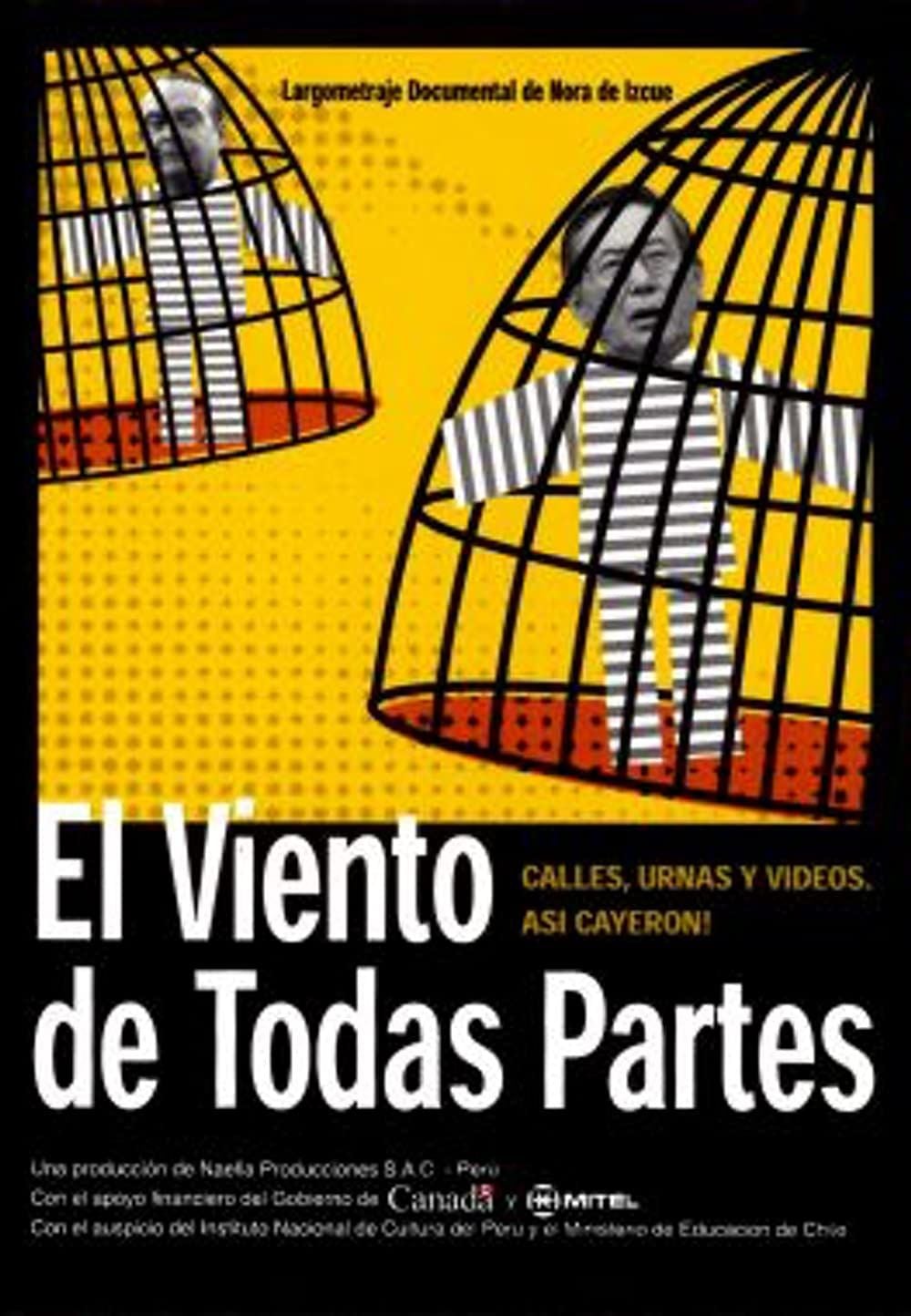
The wind from everywhere
Nora de Izcue, the first Peruvian woman to develop a film production, was behind this documentary that was screened in 2004, shortly after the hardest years marked by bloody violence in our territory. The filmmaker focuses on 2000, a year in which the social and political situation in Peru reached its most critical point due to the confrontation between a dictatorship led by Alberto Fujimori and the opposition that protested against all the abuses that took place in that regime.
The film shows the awakening of the Peruvian people at a time when all the institutions of the State and almost all the media had been bought, while the real acts of violence were kept hidden for the benefit of the president and the leadership that surrounded him. Students, workers and citizens across the country come together in a single revolution to end this atrocious period in history. Available for viewing on Vimeo.
KEEP READING:
Últimas Noticias
Debanhi Escobar: they secured the motel where she was found lifeless in a cistern
Members of the Specialized Prosecutor's Office in Nuevo León secured the Nueva Castilla Motel as part of the investigations into the case

The oldest person in the world died at the age of 119
Kane Tanaka lived in Japan. She was born six months earlier than George Orwell, the same year that the Wright brothers first flew, and Marie Curie became the first woman to win a Nobel Prize

Macabre find in CDMX: they left a body bagged and tied in a taxi
The body was left in the back seats of the car. It was covered with black bags and tied with industrial tape

The eagles of America will face Manchester City in a duel of legends. Here are the details
The top Mexican football champion will play a match with Pep Guardiola's squad in the Lone Star Cup

Why is it good to bring dogs out to know the world when they are puppies
A so-called protection against the spread of diseases threatens the integral development of dogs


