


Mexico City is home to major avenues such as Reforma, Periferico, Álvaro Obregon and, of course, Insurgentes, which is enshrined as the longest avenue in the capital. It is a highway that connects with multiple areas and is a great ally for various users who move around the area. Nowadays, countless motorists, Metrobus users and even cyclists have witnessed the benefits of this boulevard.
According to the Ministry of Communications and Transport, the origins of this ancient artery date back to the end of the 19th century. However, the expansion began when in 1908 a highway was opened connecting with the towns of Mixcoac, San Ángel and Coyoacán. At that time, the roads that made up the so-called Federal District, totaled just 137 kilometers.
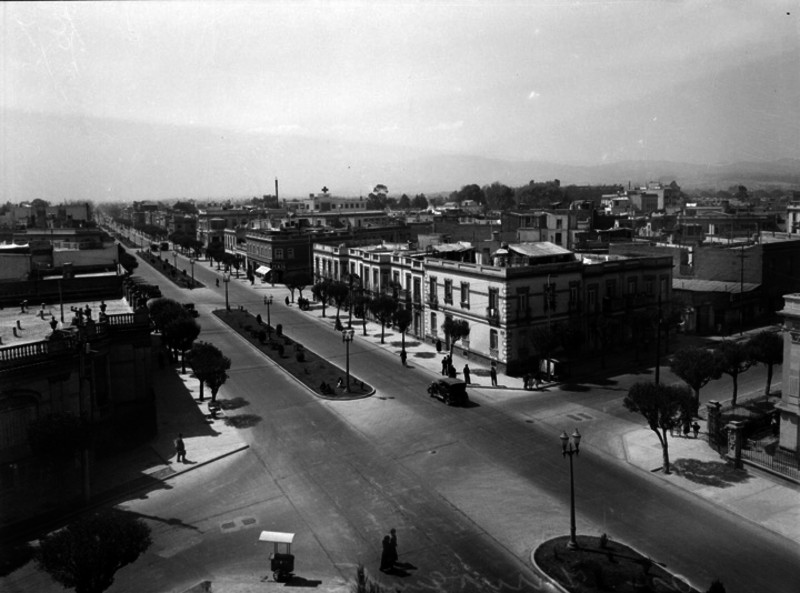
Later, during the term of President Álvaro Obregón (1920-1924), work began officially on the newly opened road, it was from that moment on that “a highway was built that would become, over time, the largest in the capital of the country: Insurgentes Avenue, which practically crosses the city from north to with a length of almost 30 kilometers”.
The Secretariat details that at first the street was “30 meters wide with a ridge in the center equipped with small bushes and lighting poles”. Another peculiarity of Insurgentes is that it divides two iconic colonies in Mexico City: Rome and the Countess, both built at the beginning of the 20th century, during the term of office of Porfirio Díaz.

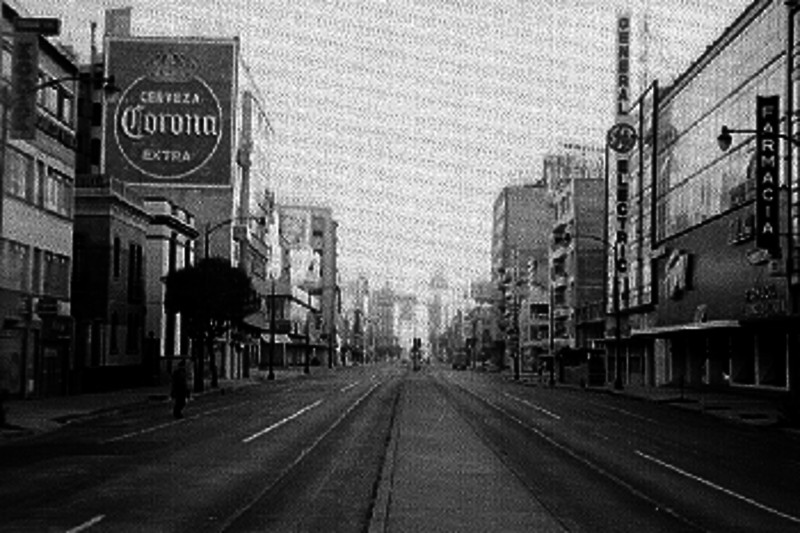
At first its name was Veracruz Avenue, it began on Chapultepec Avenue and ended on Jalisco Avenue (today Álvaro Obregon). Over time, the road, like the whole city, was transformed. The same source points out that the main reason for its modifications was to be able to “receive the vehicular traffic” that was increasingly intensifying in the capital.
It should be noted that Obregón, who also resided in the Roma neighborhood and was widely benefited, was a key player in improving and expanding the avenue. Communications and Transport emphasizes that he worked “as far as resources allowed him to. They were material works that could translate into progress and progress for Mexico.”
Throughout the obregonista work, 42 thousand square meters were paved and the work was inaugurated on November 2, 1924. At first it became known as La Calzada Nueva, some time later, and around 1922-1923 it was registered as Insurgentes Avenue in the reports of President Álvaro.
Although today it is impossible to imagine the center of the country without its large buildings and various avenues, at the time of the Colony, the segmentation of the place and the way of life were very different. The landscape of the entity changed according to historical events.
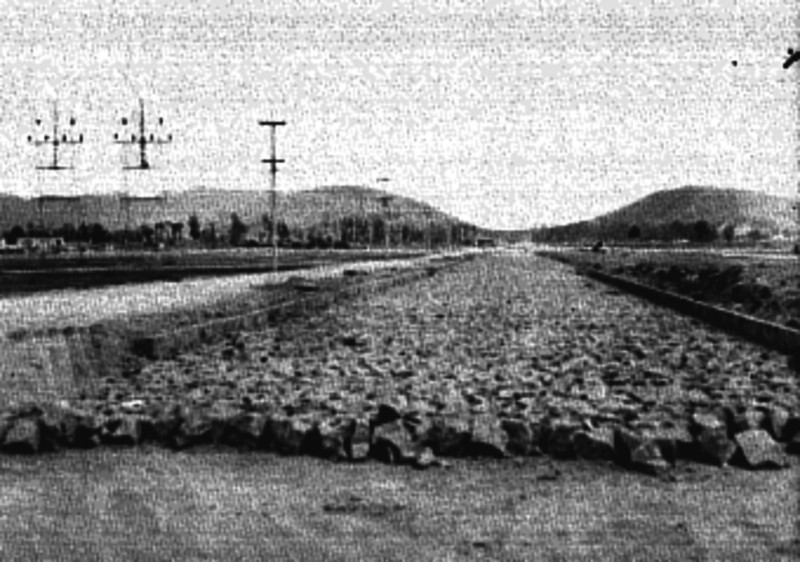
During this period and until the 19th century, parts of the current avenue were rural roads and roads that “connected land from Lake Texcoco and Lake Xochimilco (which was dried up during urbanization works) with the north of the city”.
Nowadays it is one of the best known places for the Chilangos. Insurgentes protects multiple squares, restaurants, nightclubs and monuments, as well as the ease of mobility due to the connection to different parts of the city and public transport that mainly connects with metro, Metrobus and Trolleybus stations.
KEEP READING:
Últimas Noticias
Debanhi Escobar: they secured the motel where she was found lifeless in a cistern
Members of the Specialized Prosecutor's Office in Nuevo León secured the Nueva Castilla Motel as part of the investigations into the case

The oldest person in the world died at the age of 119
Kane Tanaka lived in Japan. She was born six months earlier than George Orwell, the same year that the Wright brothers first flew, and Marie Curie became the first woman to win a Nobel Prize

Macabre find in CDMX: they left a body bagged and tied in a taxi
The body was left in the back seats of the car. It was covered with black bags and tied with industrial tape

The eagles of America will face Manchester City in a duel of legends. Here are the details
The top Mexican football champion will play a match with Pep Guardiola's squad in the Lone Star Cup

Why is it good to bring dogs out to know the world when they are puppies
A so-called protection against the spread of diseases threatens the integral development of dogs


