


When Russian bombs began to fall on Ukrainian cities and some, such as Kharkov and Mariupol, began to be subjected to siege, many Sarajevo residents revived a horror that reminded them of the destruction that their capital suffered 30 years ago.
“These terrible images that come every day from Ukraine represent for me a frustrating and true 'deja vu', something that I myself have been through,” former basketball player Samir Avdic, current Minister of Sports of the Sarajevo canton, tells the EFE agency.
During the war in Bosnia-Herzegovina (1992-1995), Sarajevo was encircled for almost four years by Bosnian Serb militias, who bombed it from the surrounding mountains.
Avdic escaped from the besieged and bombed Sarajevo in 1993 through a secret tunnel under the airport runway to play for the Bosnian national team in the European basketball championship and later joined Unicaja in Malaga.
FOUR YEARS OF BOMBING
Thirty years ago, on 6 April 1992, Bosnian Serb forces, Serbian-controlled Yugoslav army units and paramilitaries began the siege of the Bosnian capital, which would last for 47 months, until 29 February 1996.
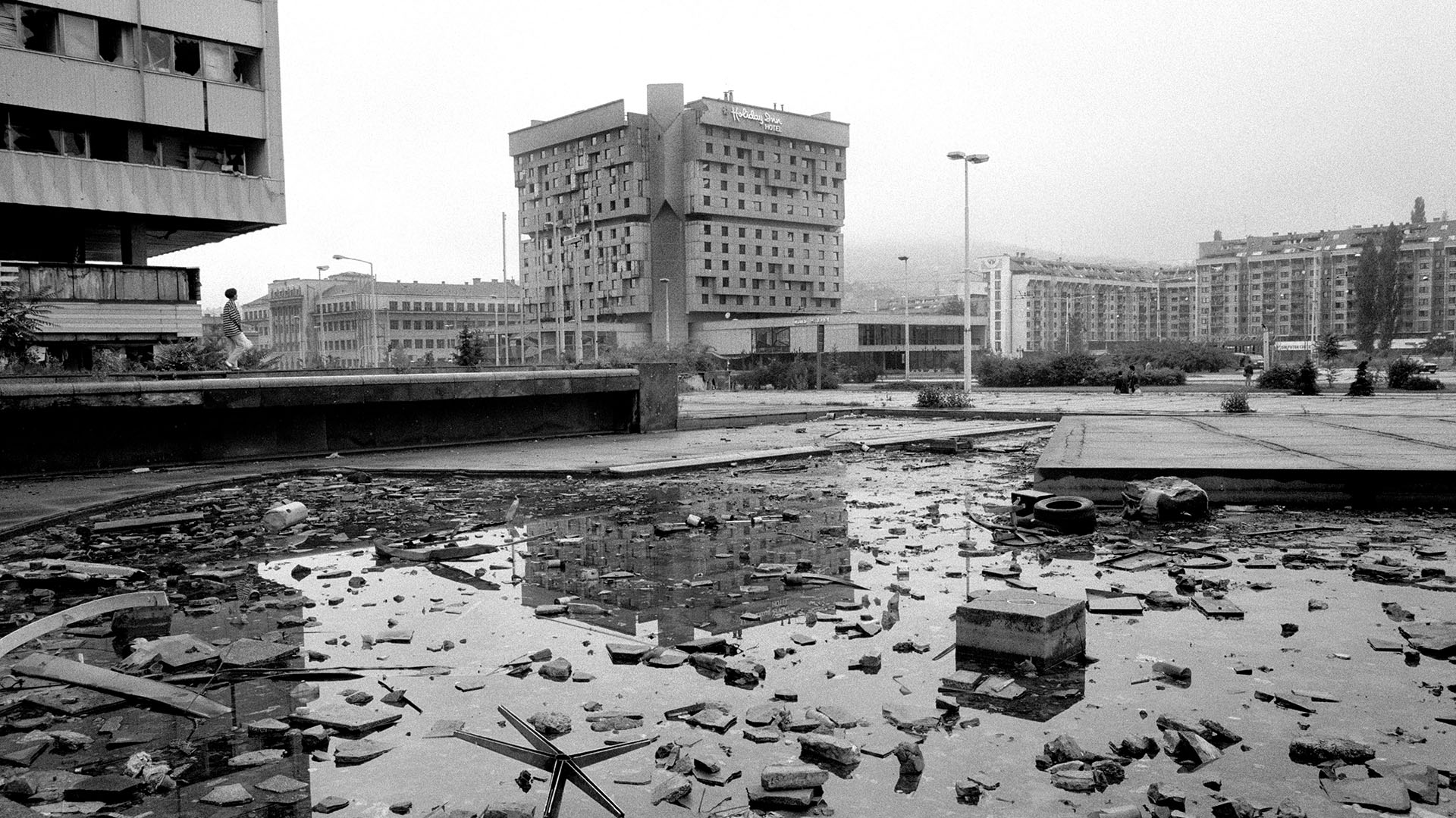
During that period, some 350,000 inhabitants of Sarajevo suffered daily Bosnian Serb bombardment from the hills surrounding the city and were subjected to a siege without water, electricity, food or medicine.
More than 11,500 neighbors, including more than 1,600 children, were killed in the longest siege suffered by a city in recent decades, while another 50,000 were injured.
Although it was preceded by other armed incidents, the attack on Sarajevo is considered the beginning of the war in Bosnia-Herzegovina, which caused more than 100,000 deaths and forced 2.2 million people to leave their homes.
The offensive against Sarajevo began after the majority of Bosniaks voted in a referendum for the independence of Bosnia-Herzegovina from Yugoslavia in March 1992, from which Slovenia and Croatia had already split.
The prime minister of the Sarajevo canton, Edin Forto, tells EFE that this anniversary of the beginning of the siege of Sarajevo is, in the light of what is happening in Ukraine, especially relevant.
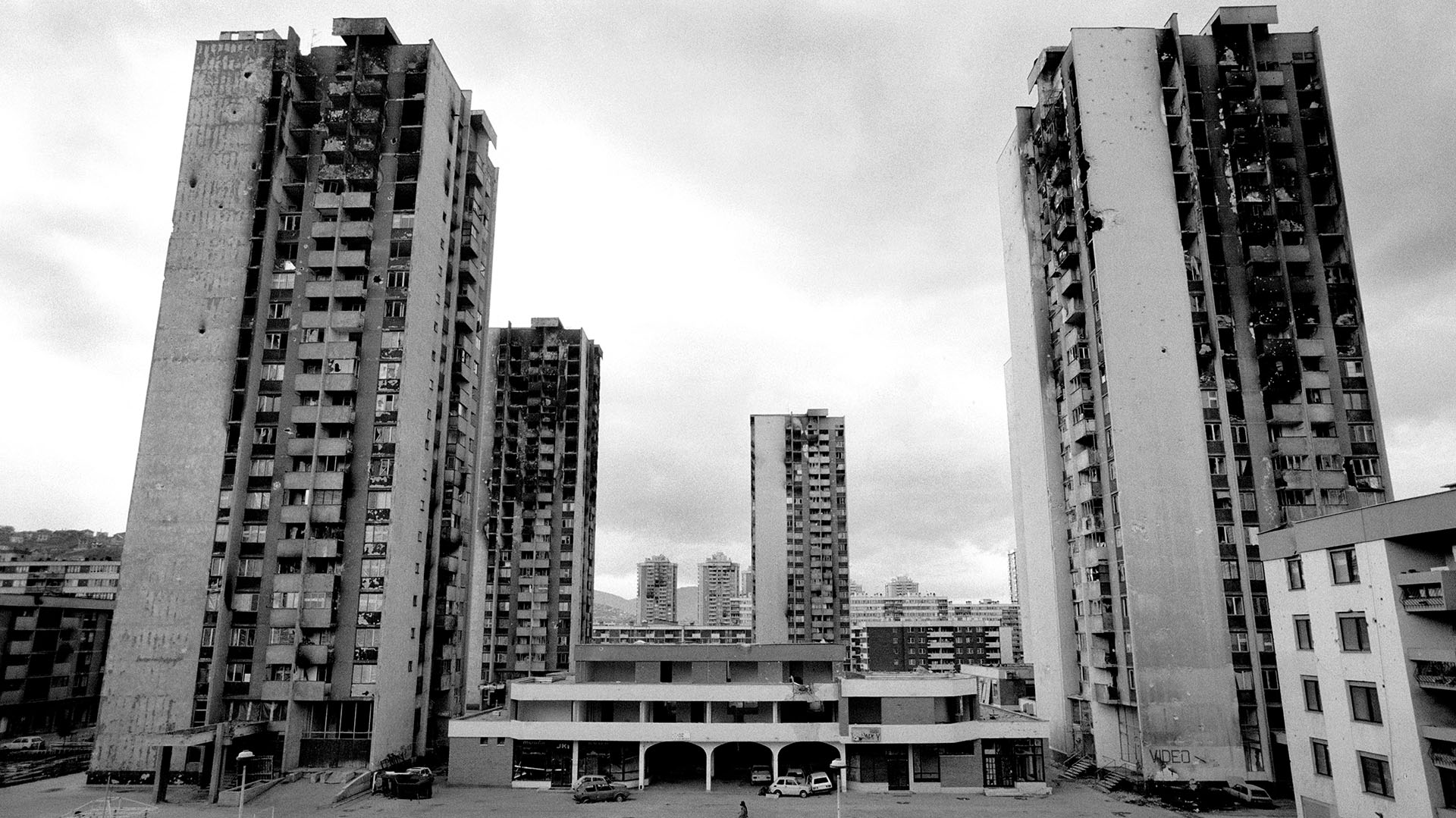
“Looking at those cities under attack, we revive with them what it's like to be under siege, to be pulverized and demolished, to live without electricity, without water, without basic food, without help or hope about when all that can end,” he says.
HOPE AND SOLIDARITY
The director of the Sarajevo National Theatre, Dino Mustafic, recalls how important artistic life - which was maintained despite difficult conditions - was important to the besieged Sarajevo and how fundamental any small act of international solidarity was for them, in the midst of suffering.
“The solidarity of other artists from abroad was for us at that time a hope with which, together with the physical resistance of the combatants, we managed to defend our faith in a cosmopolitan, European and open Sarajevo,” he says.
That is why, he stresses, wherever in the world the defenseless population is the victim, “political calculations” must be set aside and guided by the “best moral reflexes” to make clear decisions and help.
The secessionist Serb Republic of Bosnia, one of the two entities that make up the country, has not joined the condemnations of aggression against Ukraine and prevents Bosnia-Herzegovina from adopting sanctions against Russia.
Even the EU's High Representative for Foreign Affairs and Security, Josep Borrell, has expressed concern that Russia will attempt to destabilize Bosnia in its confrontation with the West.
(with information from EFE)
KEEP READING:
Últimas Noticias
Debanhi Escobar: they secured the motel where she was found lifeless in a cistern
Members of the Specialized Prosecutor's Office in Nuevo León secured the Nueva Castilla Motel as part of the investigations into the case

The oldest person in the world died at the age of 119
Kane Tanaka lived in Japan. She was born six months earlier than George Orwell, the same year that the Wright brothers first flew, and Marie Curie became the first woman to win a Nobel Prize

Macabre find in CDMX: they left a body bagged and tied in a taxi
The body was left in the back seats of the car. It was covered with black bags and tied with industrial tape

The eagles of America will face Manchester City in a duel of legends. Here are the details
The top Mexican football champion will play a match with Pep Guardiola's squad in the Lone Star Cup

Why is it good to bring dogs out to know the world when they are puppies
A so-called protection against the spread of diseases threatens the integral development of dogs


