


We are witnessing with horror the Russian invasion of Ukraine, which almost everyone condemns for the high cost of living and human suffering. There is no unanimous response on the causes that could have escalated the conflict that began in 2014, to these levels of barbarity and humanitarian crisis. It mentions failures of diplomacy, errors in the strategic plans of the powers, failures in assessing the particular or global situation and personal follies of sinister characters. I rule out the latter, given that there are no longer “one-person dictators” in the great powers, but the majors of strategic planning, with strong internal political power. Diplomacy was too light in its analysis, but it does not explain the case either. Let's look at the other two hypotheses.
I appeal to a first historical reference. It is based on the measures taken during the administrations of Jimmy Carter and Ronald Reagan during the 1980s to confront the USSR, appealing to a strong commitment to US defense with the launch of the Strategic Defense Initiative (SDI, also known as Star Wars), the deployment of missiles with weapons in Europe, assistance to anti-Soviet resistance (the Taliban) in Afghanistan, intensification of anti-Soviet rhetoric (the so-called empire of evil), and support for dissidents in the USSR and its satellite states. This succeeded in “stressing” the Soviet reality and forced Moscow to take care of the issue as a matter of priority, spending huge and scarce economic resources and diverting its political attention to its interior. At the end of the process, under the new leadership of Michael Gorbachev, Soviet forces withdrew, first from Afghanistan and then from Eastern Europe, at the same time it was agreed to reduce strategic nuclear power, other weapons and eliminate intermediate-range ground missiles.
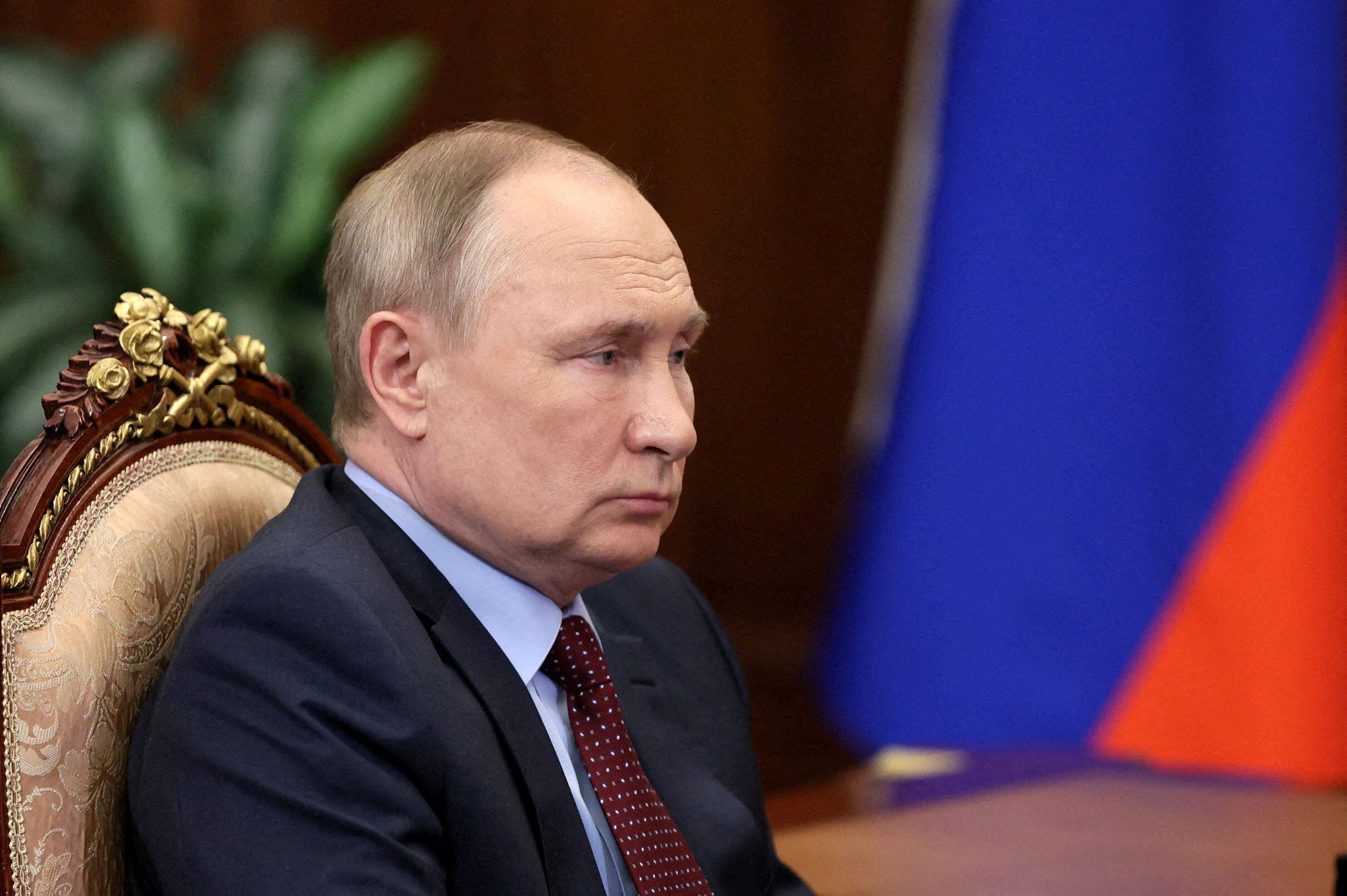
These US measures, known as “cost-enforcement strategies”, were initially conceived in a defensive mode against the USSR, which still seemed strong and expanding. But another was the reality, as it turned out after its implosion. Since then there was the maxim used in geopolitics, “Russia is never as strong or as weak as it seems”. Today's Russia is weaker than the former USSR; it has half the population, although it is more homogeneous; its territory is more compact and its economy is more open and it does not dominate any foreign empire. However, the power of the current Russian government, led by Vladimir Putin, is not as fragile as is said in the Western media. Nor is Russia the most important adversary of the United States today. Russia cannot afford to compete head-to-head with the United States, while China can, with increasing force. That is why the policies that the US could implement to “stress” Russia, could provoke Chinese responses that, in turn, could “stress” the US. This introduces new complexities in any effort to design strategies similar to those of the 1980s, to impose additional economic costs on Russia, in order to test its capacity, its will and its legitimacy. It should also be considered that some measures would affect US allies and partners. For example, increasing the cost of gas for Germany would diminish its industrial competitiveness.
Russia's greatest vulnerability is its economy, which is comparatively small and highly dependent on energy exports. The greatest anxiety of Russian leaders stems from the stability and durability of the current regime, which adopted an authoritarian, capitalist form, but with high participation of the state in its strategic decisions, and traditionalist in its cultural and religious customs. Russia's greatest strengths lie in the military and information war spheres. Russia has deployed highly advanced air defense, artillery and missile systems and has also applied new computer technologies (artificial intelligence, big data and others) to old techniques of disinformation, subversion and destabilization.
Therefore, the measures most studied by the US to “stress” Russia are those that directly address these vulnerabilities, anxieties and strengths, exploiting areas of weakness and undermining Russia's current advantages.
The US has been expanding its energy production (gas and oil) for decades so as not to depend on the ups and downs of the Middle East and as a weapon of global negotiation, to compete with Russia, making it not so easy for Russia to use its strategic advantage over European energy needs. That would maximize pressure on Russia's export earnings and, therefore, on its national and defense budgets. Economic sanctions can also limit Russia's economic potential. However, to be effective, they must be multilateral, involving (at least) the European Union, which is Russia's largest customer and the main source of technology and capital, greater in all these respects than the US.
Questioning the legitimacy of the Russian regime, diminishing its reputation at home and abroad, and openly supporting democratic change will probably not shake the foundations of the Russian state, but it could be enough to ensure a form of mutual détente in the area of the information war. This point is of high interest to European pro-globalist governments, quite hypocritical in relation to Russian behavior in Ukraine or Syria, but much more concerned about domestic political alternatives, nationalist, populist or right-wing, which have grown in the last decade and which show some point of contact with the cultural policy of Russia. The unanimity of the “Western” press in showing a particular face of Putin and his environment proves this.
It will be very difficult for the US to increase Moscow's economic costs in relation to its external military commitments because most of these are in areas adjacent to Russia and are populated by comparatively pro-Russian populations. Geography grants Russia the dominance of escalation, which means that any effort to promote greater local resistance could face severe rejection, costly to the US in prestige and its local allies in lives and territories. The increase in arms and US advice to the Ukrainian army has been the most visible of the geopolitical alternatives considered, but something did not go well and the conflict escalated surprisingly.
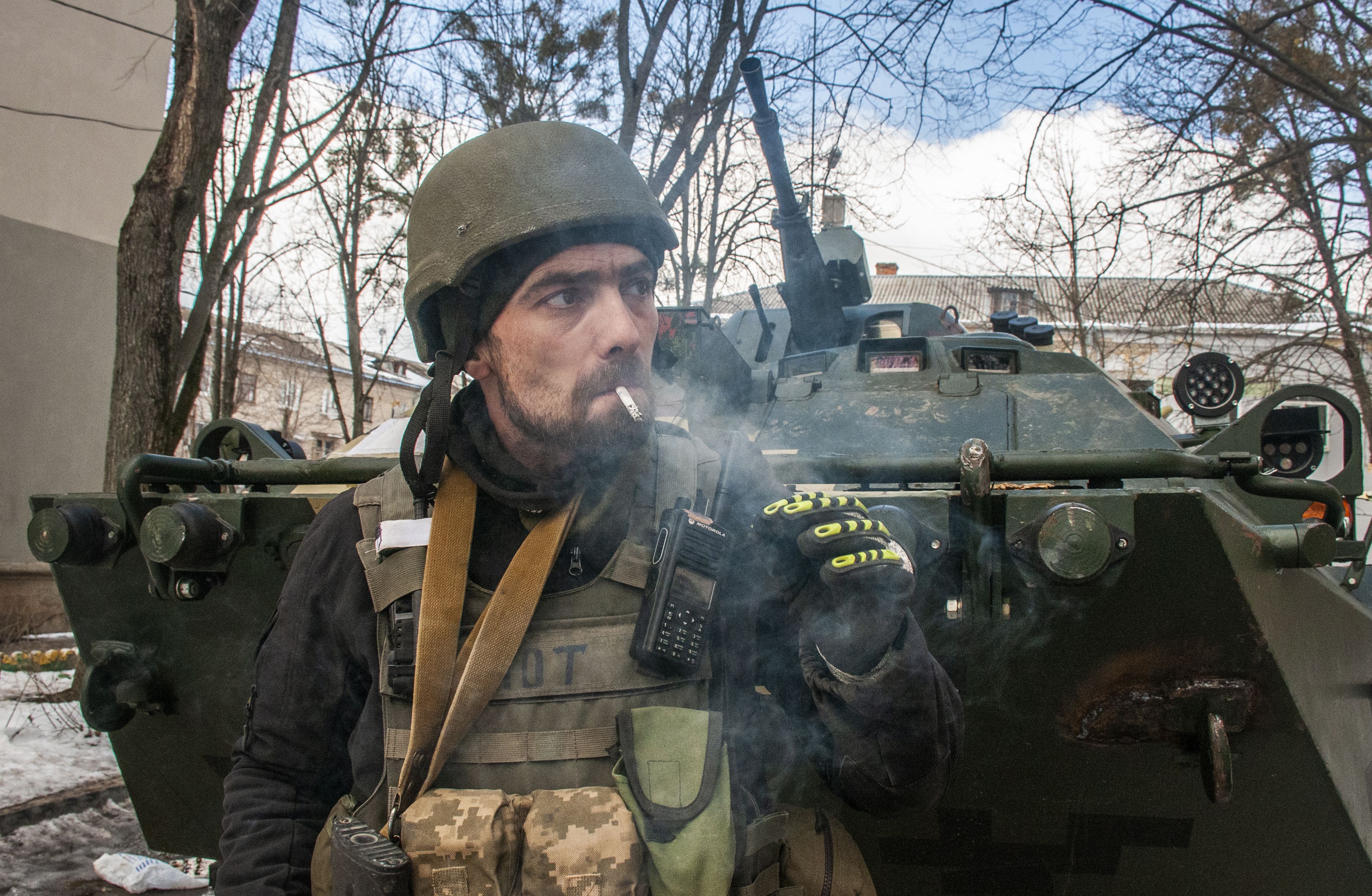
Russia does not seek parity with the US across the military spectrum. US advances in existing superiority camps could have little Russian response. For example, Russia is not going to challenge US domination of the world's oceans. But Russia is “concerned” by threats to limit its maritime access in the Arctic, Baltic and Black Sea. Potential US measures include more frequent patrolling of nuclear submarines near Arctic bases and the deployment of cruise missiles against land-based and/or air-launched ships near the Black Sea coast. Russia is likely to feel compelled to match any increase in US strategic nuclear capabilities. Entering such an arms race would be too risky for everyone. Moreover, expanded US ballistic missile defense is likely to be more costly for the US than the likely Russian response, which would be to increase its number of missiles and warheads.
A first hypothesis explaining the military escalation would be that, after NATO had deployed new weapons systems in countries close to Russia, and particularly in Ukraine, they could not correctly appreciate the possible Russian military unfolding, occupying Ukraine. Something strange for the American experience.
Another hypothesis is that NATO's strategic plans had contemplated the possibility of such a military reaction and sought to induce it, to initiate the “strategy of imposition of costs” and thus focus on Russian economic weaknesses and on achieving Putin's smear and even more, achieving the unification of the whole of Europe under a single criterion culture of the “western world”, blocking the possibility of a more independent and negotiating Europe with Russia. On the Russian side, it is clear that there were errors in assessing the political and military situation of the Ukrainian forces and of greater rejection of the expected one by their population.
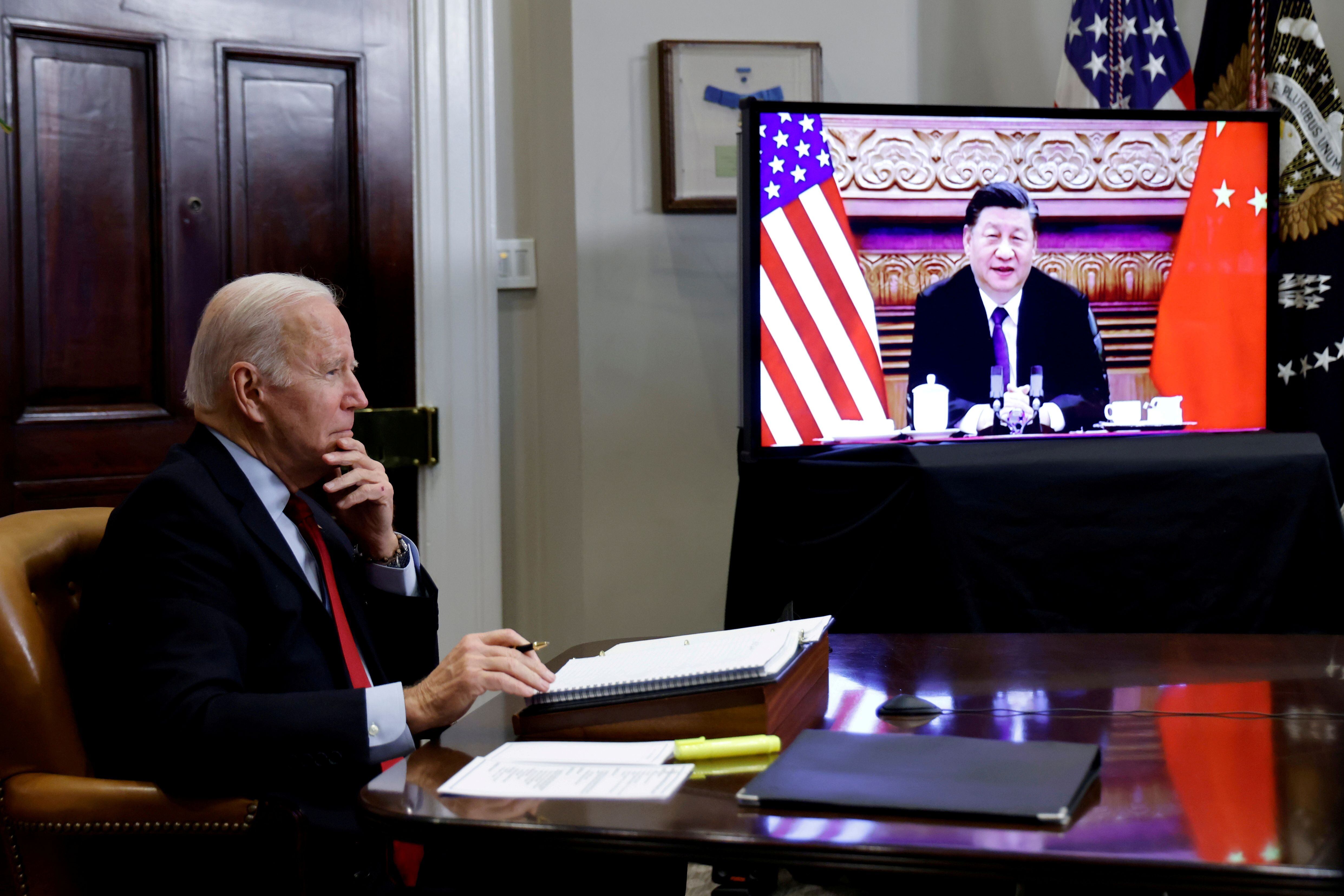
Within the US there are many sectors that have criticized Biden's becoming a “warrior”, which is very declamative, without risking anything, nor contributing decisive or military weapons of their own in the royal contest. Kissinger in 2014 or the well-known political scientist John Mearsheimer said that the best strategy for the US is to focus on China, and to work to create friendly relations with the Russians, to have them in favor. “With our wrong policies in Eastern Europe we are taking the Russians into the arms of the Chinese, violating the Policy of Balance of Power.”
The theoretical beneficiaries, material or ideological, of the escalation of war, seem to want to re-strengthen a global financial unipolarism, without a material center, but ideologically focused on the cultural mode of the “Western world”, with the support of NATO/CIA, which supports advanced technological industrial development and leads “Military Industrial Complex” of the US and Europe. It is striking that as early as 2019, Britain has pushed an increase of up to 40% in the Trident nuclear warhead limit (from the current 180 to 260), hiding behind a “systemic challenge” to economic security, prosperity and the principles and values that the United Kingdom stands for, and to point out, as early as 2019 , that the main risk of confrontation today comes from Russia. Too much anticipation or strategic programming planned to restore a world order from the “Western world”.
Merkel promptly proposed an “alliance of multipolarists”. But differences between Berlin and Paris show that putting them into practice is very difficult, although a survey by the Friedrich Ebert Foundation, (of the SPD), reveals that 42% of French people and 59% of Germans demand international neutrality from their governments. Fifty per cent of French people and 65 per cent of Germans reject the intervention of their Armed Forces in military combat. Multipolarism is obviously advocated by an independent Europe, Russia, China and other regional powers. But unfortunately the confrontation does not stop and it continues to sacrifice too many human victims, as in all wars.
KEEP READING:
Últimas Noticias
Debanhi Escobar: they secured the motel where she was found lifeless in a cistern
Members of the Specialized Prosecutor's Office in Nuevo León secured the Nueva Castilla Motel as part of the investigations into the case

The oldest person in the world died at the age of 119
Kane Tanaka lived in Japan. She was born six months earlier than George Orwell, the same year that the Wright brothers first flew, and Marie Curie became the first woman to win a Nobel Prize

Macabre find in CDMX: they left a body bagged and tied in a taxi
The body was left in the back seats of the car. It was covered with black bags and tied with industrial tape

The eagles of America will face Manchester City in a duel of legends. Here are the details
The top Mexican football champion will play a match with Pep Guardiola's squad in the Lone Star Cup

Why is it good to bring dogs out to know the world when they are puppies
A so-called protection against the spread of diseases threatens the integral development of dogs


